














Managing multi-branch retail stores while keeping up with Malaysia’s new e-invoicing and tax regulations can quickly become a bookkeeping nightmare. To avoid costly compliance errors and inventory mismatches, you need a system that does more than just track sales you need a dedicated retail accounting tool
With the growing adoption of cloud-based accounting solutions in Malaysia, retailers can now access real-time financial data anytime and anywhere, This makes it easier to manage multi-branch operations and digital payments without sacrificing your overall business efficiency.
But with so many options on the market, how do you choose the right one for your business? In this article, we’ll explore the Top 10 Retail Accounting Software in Malaysia (2026) to help you find the perfect fit.
Read on to discover how the right software can transform your financial management and give you a competitive edge.
Key Takeaways
Retail accounting software is specifically designed to manage and automate financial tasks for retail businesses.
Integration with POS, inventory management, and other operational systems enhances data consistency and operational efficiency.
Choose retail accounting software that integrates with your system, is easy to use, scalable, customizable, secure, and offers reliable customer support for smooth financial management.
Find the right Malaysian POS solution to improve daily operations, customer experience, and business growth through the banner below.
Shortlist of Best Retail Accounting Software
With so many retail accounting software options available, choosing the right solution can be challenging for businesses in Malaysia. To make the selection process easier, here are 5 recommended retail accounting software solutions.


 Bukku
Bukku
 QuickBooks
Best Because
QuickBooks automates small business accounting and expense tracking.
 Xero
Xero
Best Because
Large enterprises and fast-growing businesses needing advanced cloud-based accounting and financial management.
Before choosing the right retail accounting software, it’s important to compare each solution based on features, pricing, and business suitability. The quick comparison below provides an overview to help Malaysian retailers identify which software best matches their operational needs and budget.
| Software | Best For | Key Strength | Pricing |
|---|---|---|---|
HashMicro |
Mid–large retail businesses and multi-branch retailers | Integrated ERP with accounting, inventory, and real-time reporting | Custom Pricing |
NetSuite |
Large retail enterprises and omnichannel retailers | Advanced cloud ERP with multi-branch and financial management | Custom Pricing |
Sage 50 |
Small to medium retail businesses | Strong accounting, payroll, and financial reporting features | Starts from RM150/month |
Wave |
Micro retailers and startups | Free and easy-to-use accounting solution for basic financial management | Free |
Xero |
SMEs and online retailers | Cloud-based accounting with automation and third-party integrations | Starts from RM60/month |
FreshBooks |
Small retail and hybrid service businesses | Simple invoicing and expense tracking with user-friendly tools | Starts from RM70/month |
Lightspeed |
Retailers needing POS and accounting in one system | Inventory, POS, and multi-location management features | Starts from RM300/month |
QuickBooks |
Small to mid-sized retailers | Comprehensive accounting with tax and inventory management | Starts from RM80/month |
SQL |
Traditional retail businesses in Malaysia | Local compliance support with offline capability | Custom Pricing |
Bukku |
Micro businesses and first-time users | Beginner-friendly accounting with affordable pricing | Starts from RM60/month |
Why Retail Accounting Software is Important?
Retail accounting software is specifically designed to manage and automate financial tasks for retail businesses, including sales tracking, expense management, and inventory control. By automating calculations and data entry, this software allows you to access up-to-date financial reports whenever you need them.
What are the Benefits of Retail Accounting Software?
Implementing accounting software in retail operations offers several benefits that can optimize processes and increase profitability. Here are some of the main advantages:
- simplifies daily transactions, maintaining accurate records of sales and expenses.
- Reduce store operating costs by eliminating the manual cash drawer reconciliation process and minimizing inventory discrepancies between the sales floor and the backroom.
- Automates tax calculations and reporting, ensuring compliance with local regulations.
- Offers insights into customer purchasing trends, helping retailers optimize their marketing strategies.
- Safeguards sensitive financial and customer information with advanced security measures.
Hashy AI Fact

Need to know!
Hashy AI simplifies finance tasks by auto-generating invoices, tracking payments, and sending smart reminders via chatbox, speeding up your retail accounting without the extra steps.
Request a free demo today!
Top 10 Retail Accounting Software in Malaysia
As retail businesses in Malaysia seek to optimize their financial management, selecting the right accounting software is essential.
Here are the 10 best retail accounting software solutions available in Malaysia that can help streamline your operations
- HashMicro: ERP for managing retail finances, sales, and inventory.
- NetSuite: Cloud-based software for operations, sales, and inventory.
- Sage 50: Small to medium retail businesses with payroll and reporting.
- Wave: Free, user-friendly software for invoicing and expense tracking.
- Xero: Cloud-based automates invoicing, inventory, and payroll for retail.
- FreshBooks: For invoicing, expense management, and financial reporting.
- Lightspeed: Retail solution for sales, inventory, and tax compliance.
- QuickBooks: Comprehensive for finances, invoicing, and inventory.
- SQL: Financial management software for sales tracking and inventory.
- Bukku: Easy-to-use software for invoicing, expenses, and inventory
1. HashMicro Retail Accounting Software
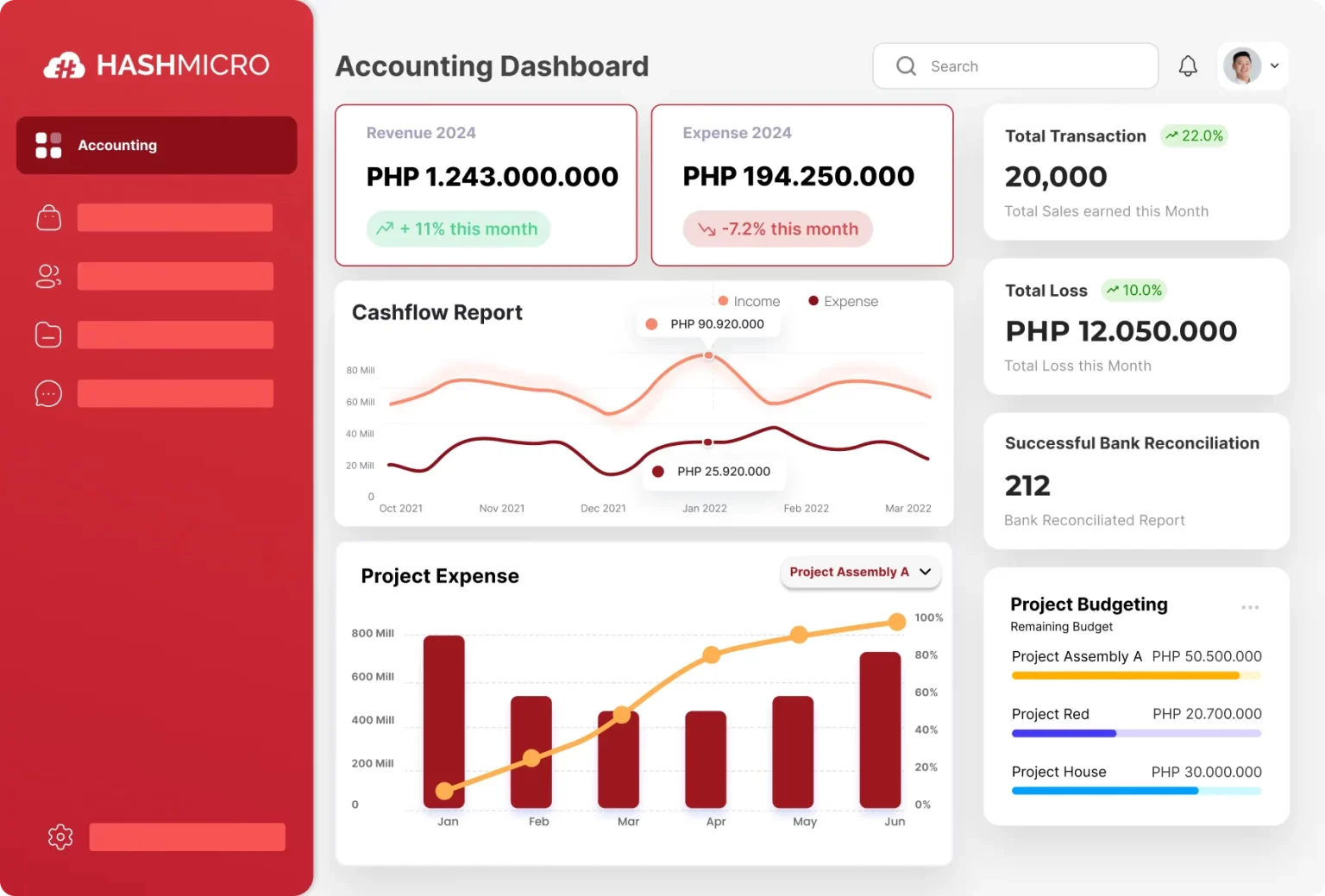
HashMicro retail ERP Malaysia is a powerful tool designed to manage financial processes for retail businesses to take over your financial workflows. This tool makes it easy to perform financial tasks, provides real-time insights, and ensures the accuracy of financial reporting.
To help retail businesses in Malaysia explore the full potential of their accounting software, HashMicro offers a free demo and consultation.
This lets businesses experience the system’s features firsthand, ensuring they select a solution that optimizes their financial management and boosts overall efficiency.
Features:
- Bank Integrations & Auto Reconciliation: This feature makes your bookkeeping process easier and ensures data accuracy through reliable account reconciliation software
- Budget Forecast: This feature ensures that you utilize the best retail software for financial planning.
- Budget S-Curve: This feature visually compares planned expenses with actual spending within your retail management system for better financial oversight.
- Financial Ratio Analysis: The retail accounting software provides insights into your business’s financial health to optimize retail management.
- 3-Way Matching: This feature enables 3-way matching for purchase orders, invoices, and receipts to enhance accuracy in your ERP and retail business software.
Best for: Mid–large retail businesses, multi-branch retailers, enterprises needing ERP-level control.
Pricing: Custom pricing (depends on modules & scale).
Why this suits Malaysian businesses: Malaysian retailers managing multiple branches, product lines, and financial workflows benefit most from HashMicro’s end-to-end approach. Unlike standalone accounting tools, it connects sales, inventory, and finance in a single system fully aligned with SST reporting, LHDN-ready documentation, and local compliance requirements. The built-in multi-branch dashboard gives retail owners complete financial visibility without switching between platforms.
| Pros | Cons |
|
|
If you’d like to explore HashMicro’s Retail Accounting Software features, click the banner below to see their pricing option.
2. NetSuite
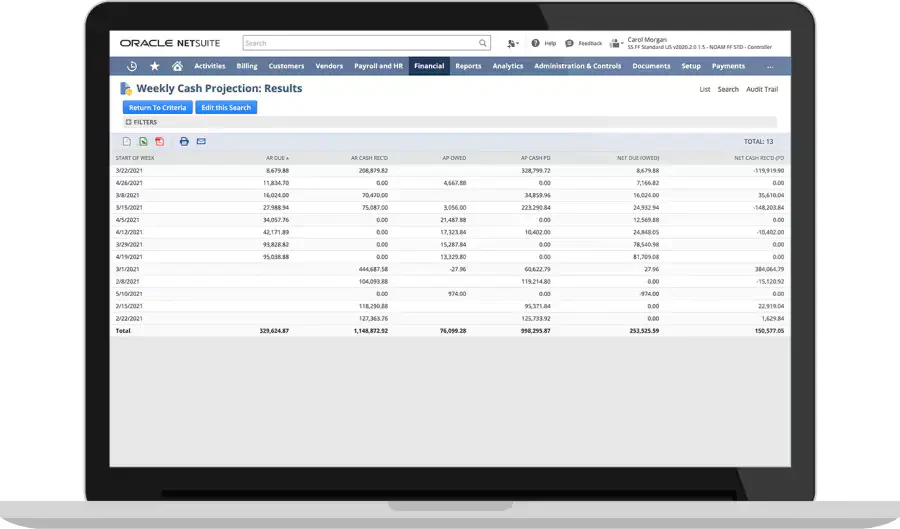
NetSuite Retail Business Software is a cloud-based solution designed to manage retail operations, including inventory, sales, and customer relationships.
In addition, NetSuite integrates revenue streams from various locations, automates intercompany transactions, and provides real-time insights into profit margins by location, enabling companies in Malaysia to optimize performance and drive growth.
Features:
- Budgeting and forecasting
- General ledger
- Cash management
- Accounts receivable/payable
- Tax management
Best for: Large retail enterprises, fast-growing omnichannel retailers.
Pricing: Custom pricing – usually RM4,000–RM10,000+/month.
Why this suits Malaysian businesses: NetSuite is a strong fit for large Malaysian retailers and fast-growing omnichannel businesses that need centralized control across finance, inventory, and operations. Its cloud-based system supports multi-branch management and real-time reporting, making it easier for businesses to monitor performance across different sales channels while supporting long-term expansion plans.
| Pros | Cons |
|
|
3. Sage 50
Sage 50 offers accounting software for retail shops tailored to manage financial tasks, inventory, and sales for small to medium-sized retail businesses.
It simplifies operations, ensures accurate financial reporting, and tax compliance, enabling retailers in Malaysia to stay organized and maintain profitability.
Features:
- Bank reconciliation
- Expense tracking
- Payroll processing
- Cash flow management
- Financial reporting
Best for: Small to medium retail businesses needing strong accounting & payroll.
Pricing: RM150–RM300/month (or one-time license depending on plan).
Why this suits Malaysian businesses: If you are running a micro-retail startup or a home-based business in Malaysia on a tight budget, Wave offers a refreshing, cost-effective way to handle your bookkeeping.
| Pros | Cons |
|
|
4. Wave
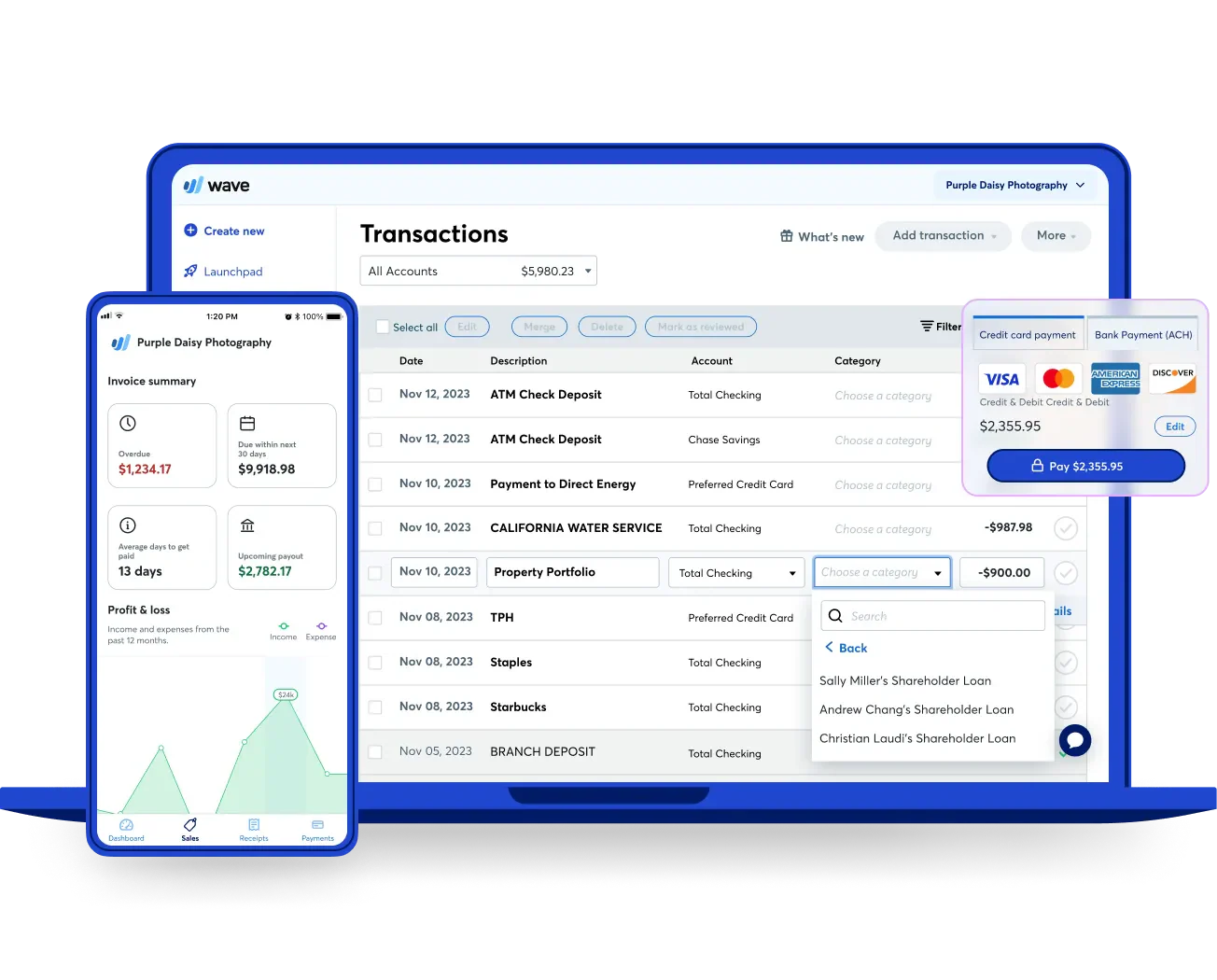
Wave provides retail accounting software designed to help retail businesses in Malaysia manage their finances efficiently, including invoicing, payments, and expense tracking.
Wave offers a zero-cost solution for small-scale retail merchants to track daily cash sales, record supplier expenses, and issue professional invoices without a monthly subscription fee.
Features:
- Transaction management
- Expense tracking
- Tax preparation
- Mobile receipt capture
- Reporting tools
Best for: Micro retailers, startups, home-based retail businesses.
Pricing: Free (paid add-ons from ~RM70–RM120/month).
Why this suits Malaysian businesses: Wave is suitable for startups, micro retailers, and home-based businesses in Malaysia looking for an affordable and simple accounting solution. Its easy-to-use interface and free core features make it practical for businesses with limited budgets that still need reliable invoicing, expense tracking, and basic financial reporting.
| Pros | Cons |
|
|
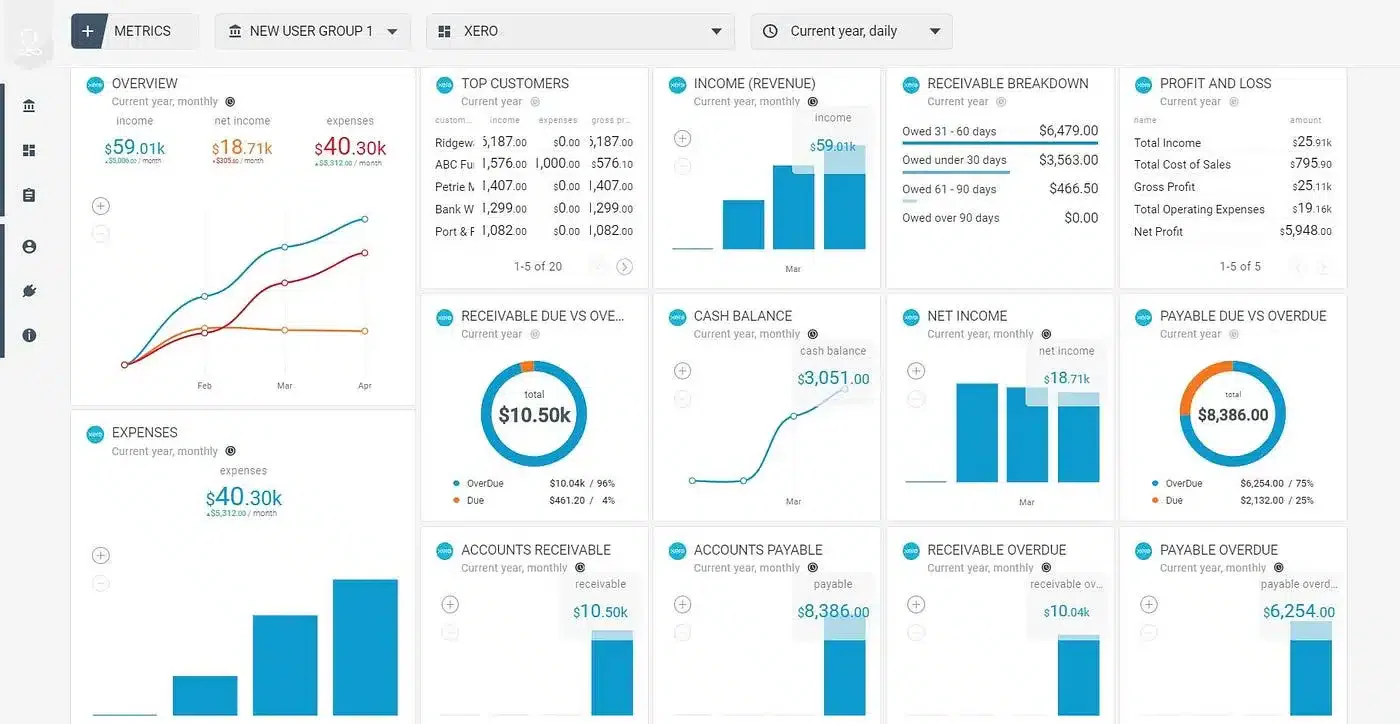
5. Xero
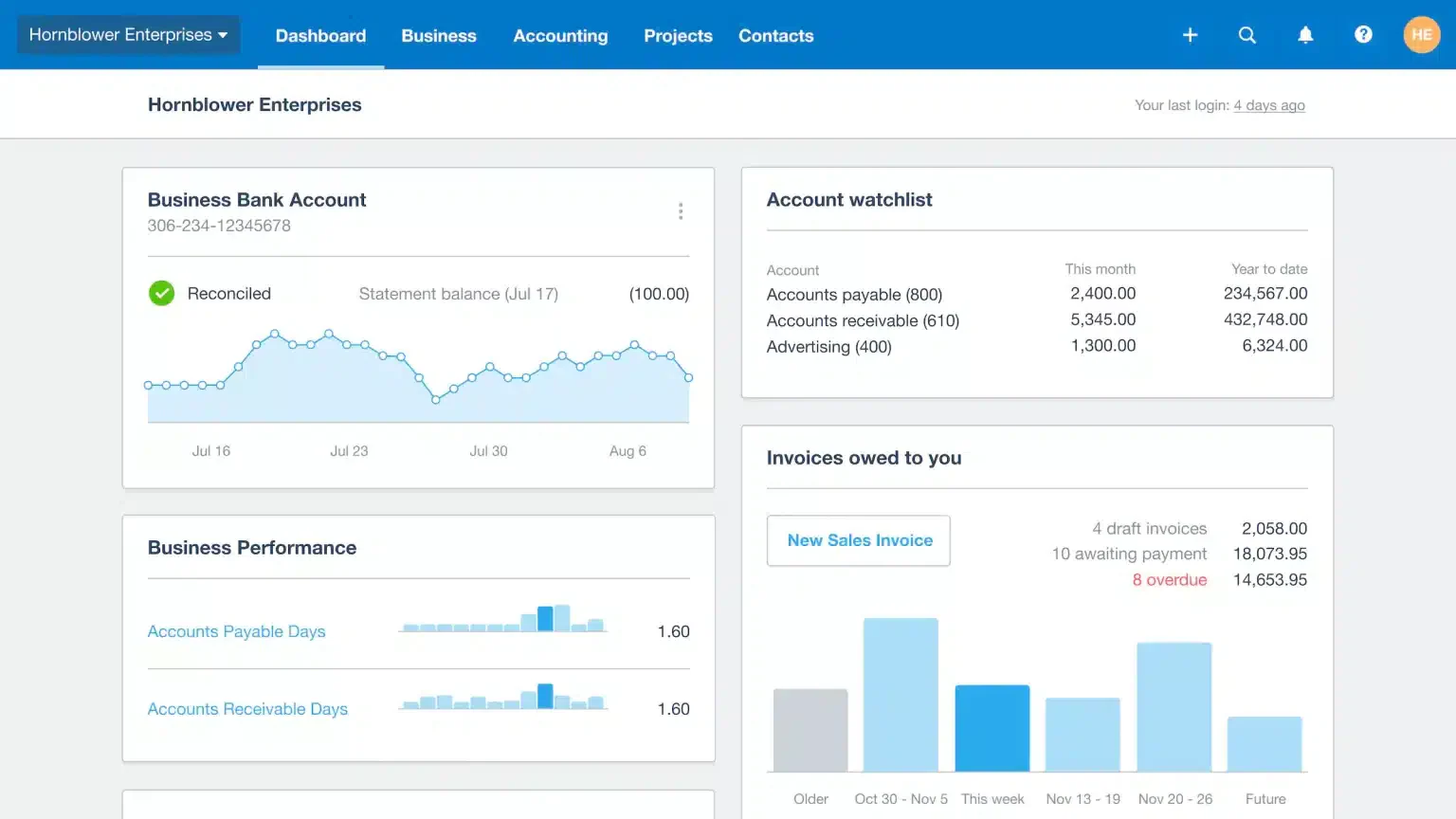
Xero Retail Accounting Software is a cloud-based solution that simplify financial management for retail businesses by automating tasks such as invoicing, inventory management, and payroll.
It also provides real-time financial insights, integrates smoothly with other systems, and ensures greater accuracy, making it an ideal choice for retailers in Malaysia. Interestingly, long before Xero became the global cloud giant, it actually started in a small apartment in Wellington, New Zealand back in 2006.
Features:
- Online invoicing
- Claim expenses
- Bank reconciliation
- Sales tax management
- Analytics and reporting
Best for: SMEs, online retailers, businesses working with accountants.
Pricing: RM60–RM250/month.
Why this suits Malaysian businesses: Xero is a good option for Malaysian SMEs and online retailers that require flexible cloud access and easy collaboration with accountants. Its integration capabilities and automated accounting features help businesses reduce manual work while keeping financial records updated and accessible from anywhere.
| Pros | Cons |
|
|
6. FreshBooks
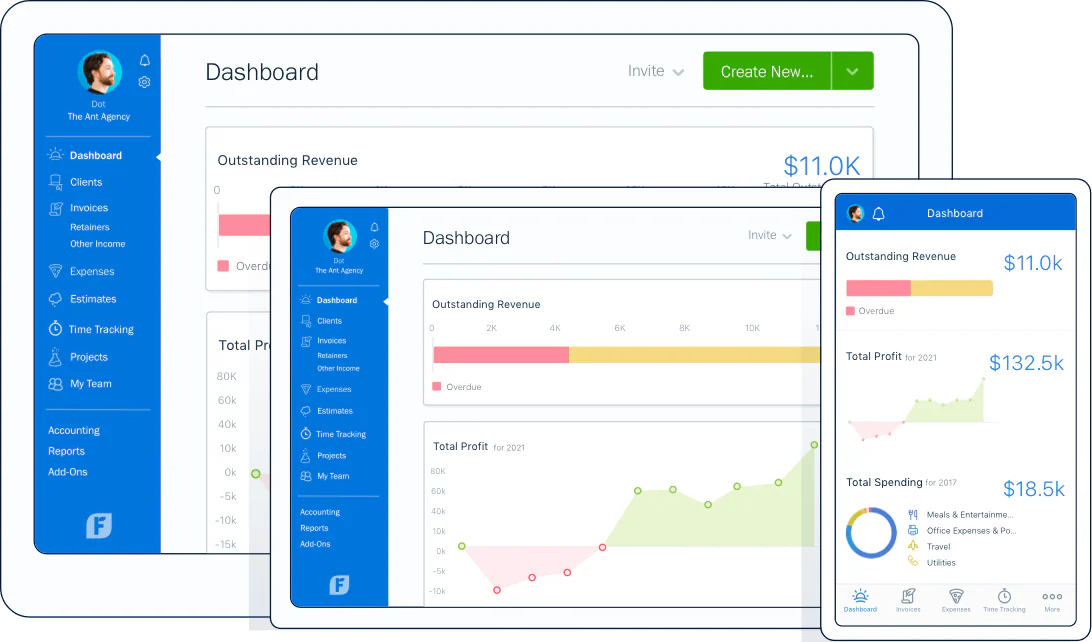
FreshBooks Accounting Software for Retail Business is designed to simplify financial management, covering tasks such as invoicing, expense tracking, and sales reporting.
This retail accounting software helps retailers in Malaysia improve efficiency and accuracy while providing real-time financial insights through its user-friendly tools. Moreover, retail inventory software also helps retailers improve their efficiency in business.
Features:
- Expense management
- Manual and automatic time tracking
- Automatic bank reconciliation
- Project management
- Financial reporting
Best for: Small retail businesses, service-based + retail hybrid businesses.
Pricing: RM70–RM300/month.
Why this suits Malaysian businesses: FreshBooks fits small Malaysian retail businesses that want a straightforward accounting system with simple expense tracking and invoicing tools. Its user-friendly interface and automation features help business owners manage finances more efficiently without requiring advanced accounting knowledge.
| Pros | Cons |
|
|
7. Lightspeed
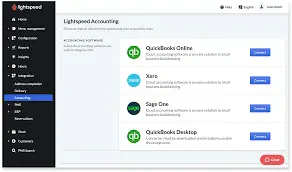
Lightspeed provides retail accounting software designed to manage financial operations for retail businesses in Malaysia, including sales, inventory, and customer data. This software offers live data analytics, easy integration with POS systems, and improved financial accuracy.
Features:
- Tax calculation and compliance
- Multi-location management
- Inventory management
- Automated data sync
- Real-time financial data
Best for: Retailers needing POS + accounting + inventory in one system.
Pricing: RM300–RM800/month.
Why this suits Malaysian businesses: Lightspeed is ideal for Malaysian retailers that want POS, inventory, and accounting functions connected within one system. Its multi-location management and real-time inventory tracking support businesses operating across multiple outlets while improving visibility into daily retail operations.
| Pros | Cons |
|
|
8. QuickBooks
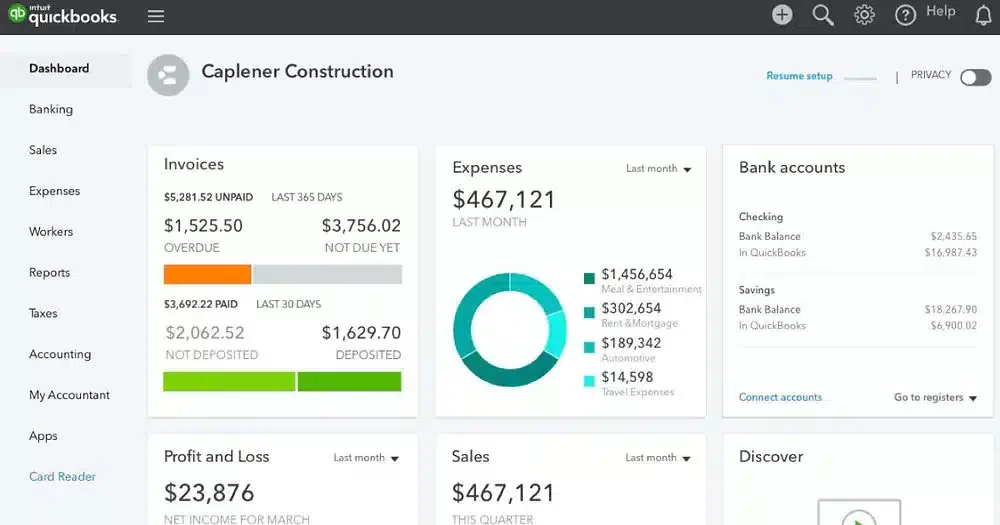
QuickBooks provides retail business software tailored to simplify financial management, inventory tracking, and sales operations for retail businesses.
When Intuit built the foundations for QuickBooks in the 1980s, they noticed that most small business owners struggled deeply with software because they weren’t trained accountants.
In addition, QuickBooks retail accounting offers real-time financial insights, easy tax preparation, and smooth integration with other business tools, enhancing overall efficiency.
Features:
- Invoice and expense tracking
- Tax and inventory management
- GST & VAT tracking
- Roles and permissions
- Insights and reports
Best for: Small to mid-sized retailers looking for comprehensive accounting.
Pricing: RM80–RM350/month.
Why this suits Malaysian businesses: Malaysian retailers that need more than basic bookkeeping, but are not yet ready for an enterprise ERP will find QuickBooks a capable middle ground. Its SST tracking, inventory management, and financial reporting features suit small to mid-sized businesses, while cloud access keeps financial records available across devices without additional infrastructure.
| Pros | Cons |
|
|
9. SQL
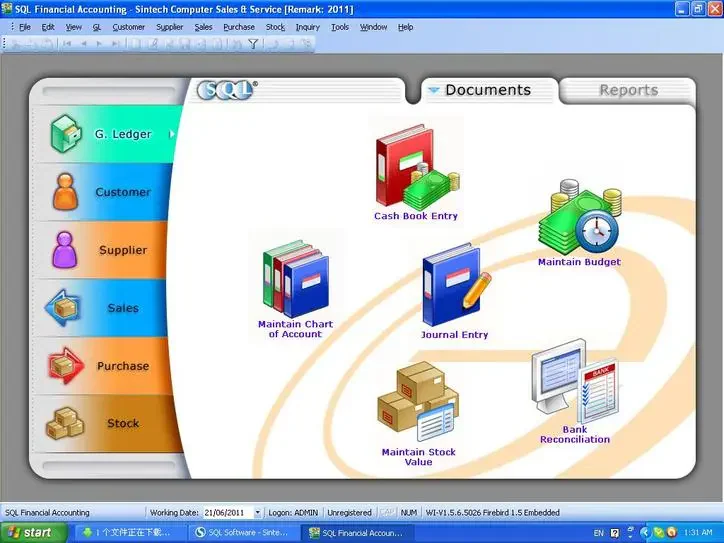
SQL Accounting Software for Retail Shop is a financial management solution designed to simplify tasks such as sales tracking, inventory management, and accounting.
This retail accounting software improves efficiency, ensures accuracy, and supports compliance, enabling retailers in Malaysia to manage their finances effortlessly.
Features:
- General ledger
- Commission calculation
- Sales and service tax
- Analytics and Reporting
Best for: Traditional retail businesses in Malaysia preferring local software.
Pricing: Local compliance, offline capability, familiar interface.
Why this suits Malaysian businesses: Traditional retail businesses in Malaysia, particularly those working with local accounting firms or operating in areas with inconsistent internet access will find SQL Accounting practical and familiar. Its offline capability and built-in support for SST and Malaysian income tax requirements make it a dependable on-premise option, using a workflow that local accountants already know well.
| Pros | Cons |
|
|
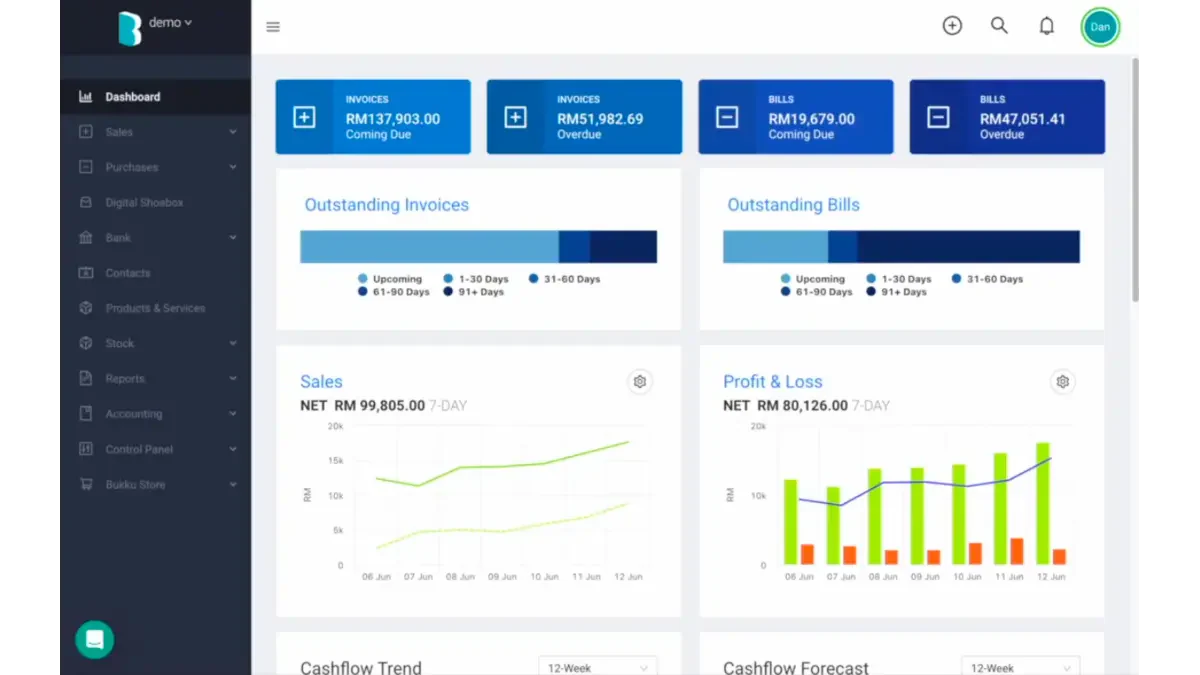
10. Bukku
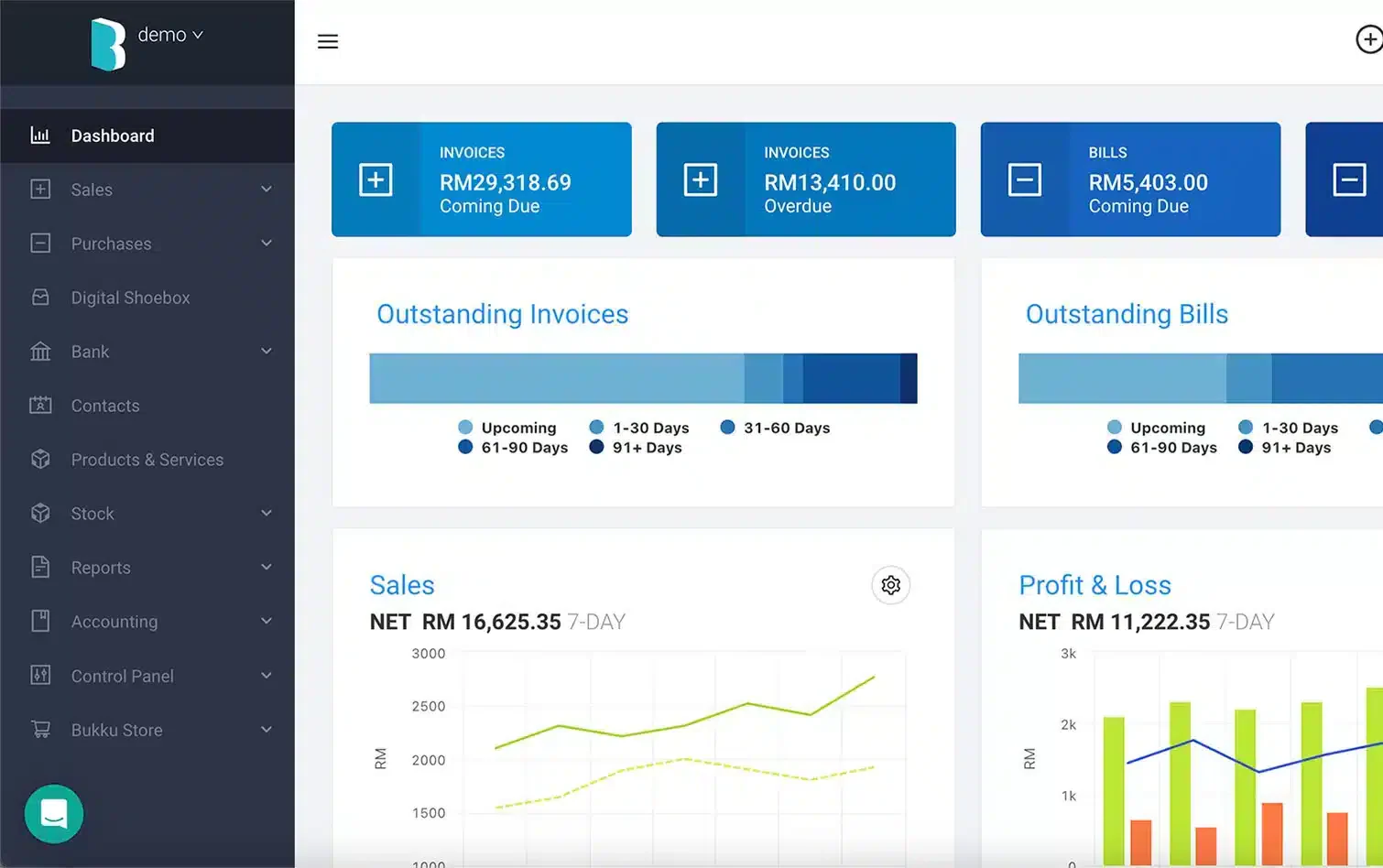
Bukku Accounting Software for Retail Business simplify financial management by automating tasks such as invoicing, expense tracking, and inventory management.
Additionally, this retail accounting software provides several advantages, including enhanced efficiency, real-time financial insights, and user-friendly features that benefit businesses in Malaysia.
Features:
- Invoicing and payment management
- Expense tracking and reconciliation
- Inventory management
- Financial reporting
Best for: Micro businesses, SMEs, first-time accounting software users.
Pricing: RM60–RM150/month.
Why this suits Malaysian businesses: Micro businesses and first-time software users in Malaysia making the move from manual bookkeeping or spreadsheets will find Bukku approachable. Its RM-denominated pricing, local focus, and clean interface lower the barrier to entry without requiring prior accounting knowledge or extensive onboarding.
| Pros | Cons |
|
|
How to Choose the Best Accounting Software for Your Retail Business
Selecting the right software for your retail business is essential for effective financial management. Additionally, the ideal solution should not only meet your current requirements but also scale with your business as it expands. Here’s how to make the smartest choice:
- Integration Capabilities: The ideal retail software should integrate effortlessly with your ERP and retail management system, ensuring a smooth flow of data and improving overall business management efficiency.
- Ease of Use: Choose accounting software for retail stores that is intuitive and easy to use. The software should require minimal training and automate tasks, so your team can get up to speed quickly.
- Scalability: As your business expands, your accounting software should grow with you. Make sure the ERP or retail business software can manage increased transactions and data, supporting your company’s growth.
- Customization: Your accounting software should be adaptable to your unique needs. Look for retail management system software that allows you to customize features and dashboards for enhanced business management.
- Security: Security is crucial when selecting accounting software. Ensure that your bookkeeping or retail store accounting software includes strong safeguards to protect your financial data.
- Customer Support: Choose software in Malaysia that provides reliable customer support. Timely assistance ensures smooth operations and quick resolution of any issues that may arise.
Which Retail Accounting Software Suits The Most for Your Business?
Different retail businesses have different accounting needs depending on their size, budget, and operational complexity. The decision matrix below helps you identify which accounting software is the most suitable based on specific business scenarios and priorities.
| Business Scenario | Recommended Software | Why It Fits |
|---|---|---|
Small businesses or startups with limited budgets |
Wave or Bukku | Both offer affordable and beginner-friendly accounting tools suitable for basic financial management and invoicing. |
SMEs needing cloud-based accounting with automation |
Xero or QuickBooks | Both provide cloud access, automated bookkeeping features, and integrations that support growing retail businesses. |
Retailers managing multiple outlets and operations |
HashMicro or NetSuite | Both support multi-branch management, centralized reporting, and integrated business operations for expanding retailers. |
Businesses wanting accounting and inventory in one system |
Lightspeed or HashMicro | Both combine accounting, inventory tracking, and operational management to improve retail visibility and control. |
Traditional Malaysian retail businesses preferring local software |
SQL or Sage 50 | Both support accounting and financial reporting needs while offering familiar workflows for local businesses. |
Retailers prioritizing simple invoicing and expense tracking |
FreshBooks or Wave | Both focus on ease of use and practical financial tools for smaller-scale retail operations. |
Large enterprises needing advanced ERP capabilities |
NetSuite or HashMicro | Both provide scalable ERP-level features, financial management, and real-time reporting for complex business operations. |
Businesses requiring strong payroll and financial reporting |
Sage 50 or QuickBooks | Both offer reliable payroll, expense management, and financial reporting features for SMEs. |
Retailers operating online and offline sales channels |
Xero or Lightspeed | Both help businesses manage transactions, reporting, and operations across multiple sales channels. |
First-time accounting software users |
Bukku or FreshBooks | Both provide clean interfaces and user-friendly tools that make financial management easier for beginners. |
Conclusion
Selecting the right retail accounting software requires careful consideration of a business’s operational scale, financial complexity, and long-term goals. Each solution discussed offers different strengths, from basic bookkeeping and expense tracking to more advanced reporting and integration capabilities.
Retail businesses should evaluate factors such as usability, scalability, system compatibility, and overall cost before making a decision. By aligning software features with internal processes and growth plans, businesses can build a more accurate, efficient, and structured financial management system that supports sustainable operations over time.
Discover how HashMicro can optimize your operations and set your retail business up for long-term success. Sign up for a free demo today!

FAQ about Retail Accounting Software
What does an accountant do in a retail store?
Accountants can manage your retail store’s cash flow by closely tracking income and expenses. They can help forecast cash flow, taking into account seasonal variations and capital expenditure. These procedures assist in planning for slow periods, responding to unexpected expenses, and investing in growth opportunities.
Which is better, accounting or cost accounting?
General Accounting and Cost Accounting have different users with unique information needs. The former is more comprehensive in terms of catering to stakeholders’ needs, while the latter is used primarily by management for internal decision-making.
Is retail accounting software suitable for e-commerce or online retail businesses?
Yes. Retail accounting software can support both physical and online retail operations. When integrated with e-commerce platforms, it can automatically record online sales, track returns, and consolidate financial data across channels in one system. This is particularly useful for businesses running a hybrid model, managing both a physical store and an online shop simultaneously.
How does retail accounting software support SST compliance in Malaysia?
Most retail accounting software designed for the Malaysian market includes built-in SST (Sales and Service Tax) features. These automate tax calculations at the point of sale, generate SST-compliant invoices, and produce tax reports formatted for submission to the Royal Malaysian Customs Department (RMCD). When evaluating options, verify that the software supports the current SST rate structure and can generate the specific reports your business requires for compliance.
What features should retail accounting software have?
Retail accounting software should help store owners manage finances efficiently. Key features include inventory tracking, sales and tax reporting, invoicing and expense management, and integration with POS systems. These tools provide fresh insights, reduce errors, and simplify operations, allowing retailers to focus on growing their business.