















Retailers often struggle to maintain accurate inventory levels when sales, stock, and store data are managed across separate systems. This can lead to stockouts, overstocking, and delayed replenishment. Retail management inventory software helps centralize data and improve stock visibility across operations.
As digital adoption grows in Malaysia’s retail sector, businesses are increasingly using inventory software to improve efficiency and decision-making. A 2025 study on digital retail adoption shows that Malaysia’s retail trade contributes nearly 14% of GDP and supports over 1.5 million jobs, making better digital tools important for daily store operations.
To help you choose the right fit, this article compares 14 POS system solution options with inventory features that support stock tracking, sales visibility, and smoother retail operations in 2026.
Key Takeaways
Retail inventory software tracks stock, reduces waste, and boosts efficiency with real-time updates and automation.
The best software offers scalability, POS integration, mobile access, and easy use.
Top options in Malaysia include Ordoro, inFlow, Vend, Cin7, and Sortly.
Best POS Retail Inventory Management Software Recommendations
Based on my research, I have compiled a shortlist of the best retail inventory management software to help wholesalers improve accuracy, reduce errors, and support business growth with smarter inventory management.



Best Because
helps you track stock, manage orders, and optimize workflows effortlessly.


Retail inventory management becomes significantly more complex once you’re operating across multiple locations, sales channels, or seasonal stock cycles. The tools that handle this well are those built to sync stock levels in real time — whether the sale happens in-store, online, or through a distributor.
What is Retail Inventory Management Software?
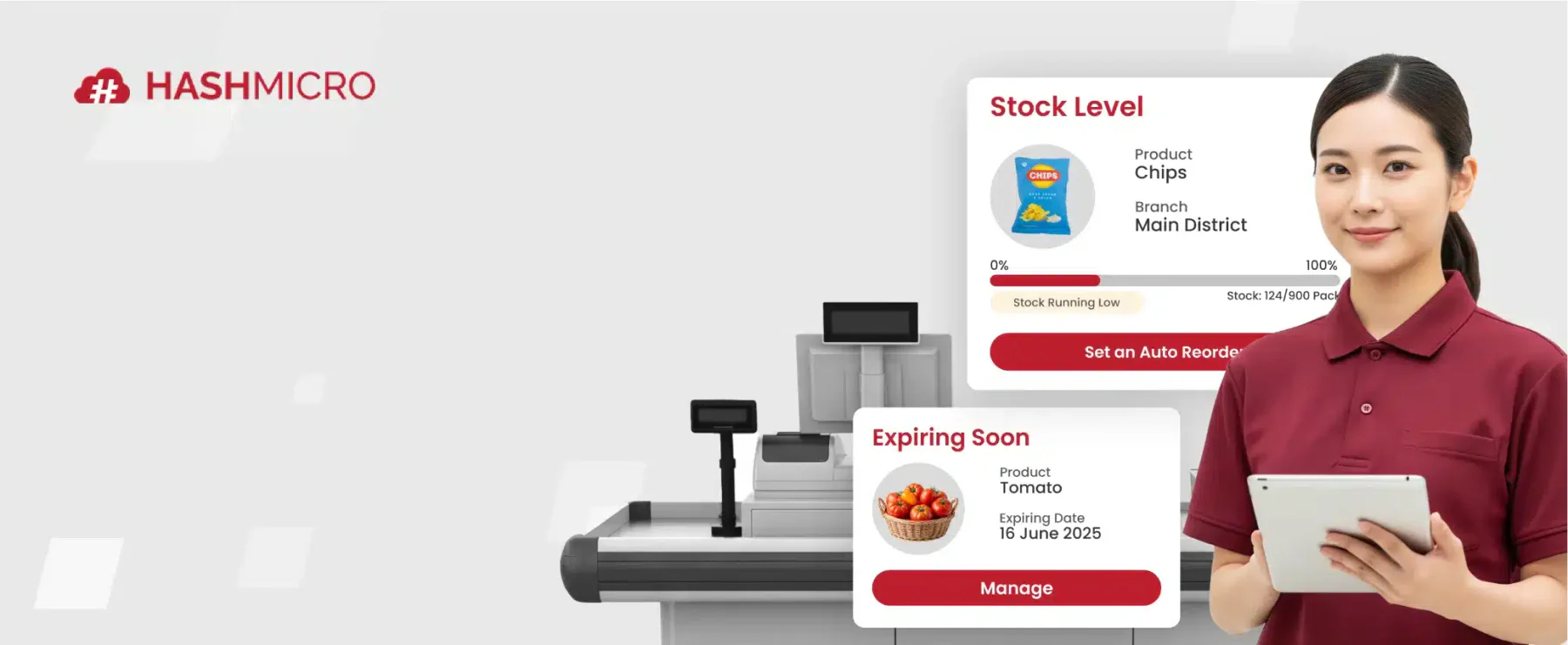
Retail Inventory Management Software is a system that helps retail businesses monitor and manage their stock levels efficiently. This software ensures accurate inventory records, improves stock control, and aligns inventory data with sales trends and demand forecasts.
With an inventory management system, retailers can track stock levels, manage reorders, and monitor sales in real time. It keeps inventory and sales data synchronized while providing analytics that help retailers make informed decisions about restocking and pricing.
Hashy AI Fact

Need to know!
Hashy AI automates retail inventory management by predicting stock levels, processing restocks, and tracking product availability, directly from your chatbox, saving time for more important tasks.
Request a free demo today!
Before going into each software in detail, the table below gives you a quick overview of the best retail inventory software in Malaysia. Use it to compare the main options at a glance, but still check the full review below to understand which system fits your business needs best.
Quick Comparison of Best Retail Inventory Software in Malaysia
| Retail Inventory Software | Best for | Strength | Key Features | Pricing |
|---|---|---|---|---|
| HashMicro | Malaysian retailers needing ERP-integrated inventory, purchasing, and sales workflows | Fast, user-friendly, highly scalable inventory solution with strong ERP integration and real-time tracking | Barcode management, automated stock requests, ERP integration, inventory automation, accounting & POS connectivity | Custom pricing. Free demo available |
| Ordoro | SMBs running multi-channel ecommerce operations | Combines shipping, automation, and inventory management in one streamlined system | Real-time inventory tracking, barcode scanning, automated order routing, dropshipping management | Available upon request |
| Partkeepr | Businesses wanting a self-hosted and customizable inventory system | Open-source flexibility with customizable workflows and inventory structures | Custom database fields, advanced filtering, import/export tools, API integration | Free (open-source) |
| inFlow Inventory | Small retailers and wholesalers prioritizing ease of use | Simple yet powerful stock and order management with cloud access | Automatic stock adjustments, reorder alerts, supplier management, accounting integrations | From RM 451/month |
| Shopify | Retailers already selling through Shopify ecommerce | Smooth inventory syncing between online and offline sales channels | Multi-channel sync, barcode labeling, POS integration, stock alerts | Available upon request |
| RightControl | Small to medium-sized retailers needing lightweight inventory management | Affordable inventory software with invoicing and barcode support | Barcode scanning, stock alerts, accounting integration, multi-location stock management | Available upon request |
| Vend | Retailers needing cloud POS and inventory integration | Reliable real-time stock tracking with strong POS capabilities | POS integration, supplier management, low-stock alerts, CRM, reporting tools | Available upon request |
| Cin7 | Growing brands needing advanced multi-channel inventory management | Strong automation and advanced forecasting for scaling businesses | Inventory forecasting, POS integration, reorder automation, warehouse management | Available upon request |
| Fishbowl | Businesses requiring manufacturing and inventory management together | Advanced inventory and manufacturing controls with QuickBooks integration | Purchase orders, manufacturing tracking, fulfillment automation, POS integrations | Available upon request |
| Sortly | Businesses wanting visual and beginner-friendly inventory tracking | Simple, photo-based inventory management with mobile support | QR/barcode scanning, multi-location inventory, low-stock reminders, custom folders | Available upon request |
| Magestore | Magento-based omnichannel retailers | Centralized inventory control with strong Magento integration | Multi-warehouse management, barcode tracking, low-stock alerts, real-time sync | Available upon request |
| Lightspeed Retail | Retailers wanting connected POS, inventory, and reporting tools | Advanced omnichannel inventory syncing with strong analytics | Purchase order tools, barcode support, real-time stock alerts, custom reporting | From RM 365/register/month |
| Square for Retail | Startups and growing retailers needing simple POS + inventory | Easy-to-use inventory management with built-in payment processing | Stock transfers, barcode scanning, low-stock alerts, sales analytics | From RM 365/register/month |
| Katana | Product-based businesses and light manufacturers | Excellent inventory visibility with forecasting and production support | Demand forecasting, barcode support, batch tracking, Shopify & QuickBooks integration | Available upon request |
14 Best Retail Inventory Software in Malaysia
Here are the top 14 retail inventory software in Malaysia in 2026:
- HashMicro: Offers a fast, user-friendly, and all-in-one inventory solution.
- Ordoro: Web-based software that manages the entire sales process.
- Partkeepr: For businesses that need a flexible and customizable system.
- InFlow: Solution to track stock, manage orders, and optimize workflows.
- Shopify: Includes built-in inventory management tools for retailers.
- RightControl: Lightweight software for small to medium-sized.
- Vend: Provides real-time inventory tracking, seamless POS integration.
- Cin7: Advanced stock control, multi-channel sales, and automation.
- Fishbowl: Advanced inventory control and manufacturing capabilities.
- Sortly: Designed for businesses that need simple, visual stock tracking.
- Magestore: Magento-native solution for omnichannel inventory control.
- Lightspeed Retail: Cloud-based POS with advanced inventory features.
- Square for Retail: POS platform with essential stock and sales tools.
- Katana: Smart inventory software with forecasting and batch tracking.
1. HashMicro Retail Inventory Software
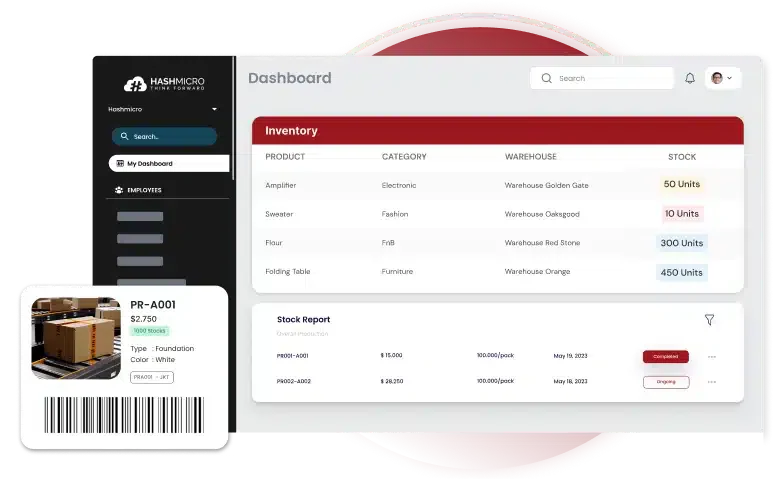
HashMicro’s Retail Inventory Software is a comprehensive solution that offers a fast, user-friendly, and all-in-one inventory management system for businesses of all sizes, including construction companies. It’s also the leading retail inventory software in Southeast Asia, including Malaysia.
It simplifies inventory management for companies in Indonesia and Singapore by handling barcodes, tracking stock in real time, managing picking and packing, automating supplier orders, and streamlining customer shipments.
Why we recommend this: I chose this software because it brings speed, simplicity, and complete visibility into one platform, making inventory tasks easier for any business—whether in retail or construction.
Here are some of the key features offered:
- Accurate Goods Tracking
- Automated Stock Requests
- Custom Integration
- Seamless System Connectivity
- Automated Stock Recording
| Pros | Cons |
|
|
Why this suits Malaysian businesses: HashMicro supports SST-ready retail operations, multi-branch stock control, and POS-integrated workflows, making it practical for Malaysian retailers that need better inventory visibility.
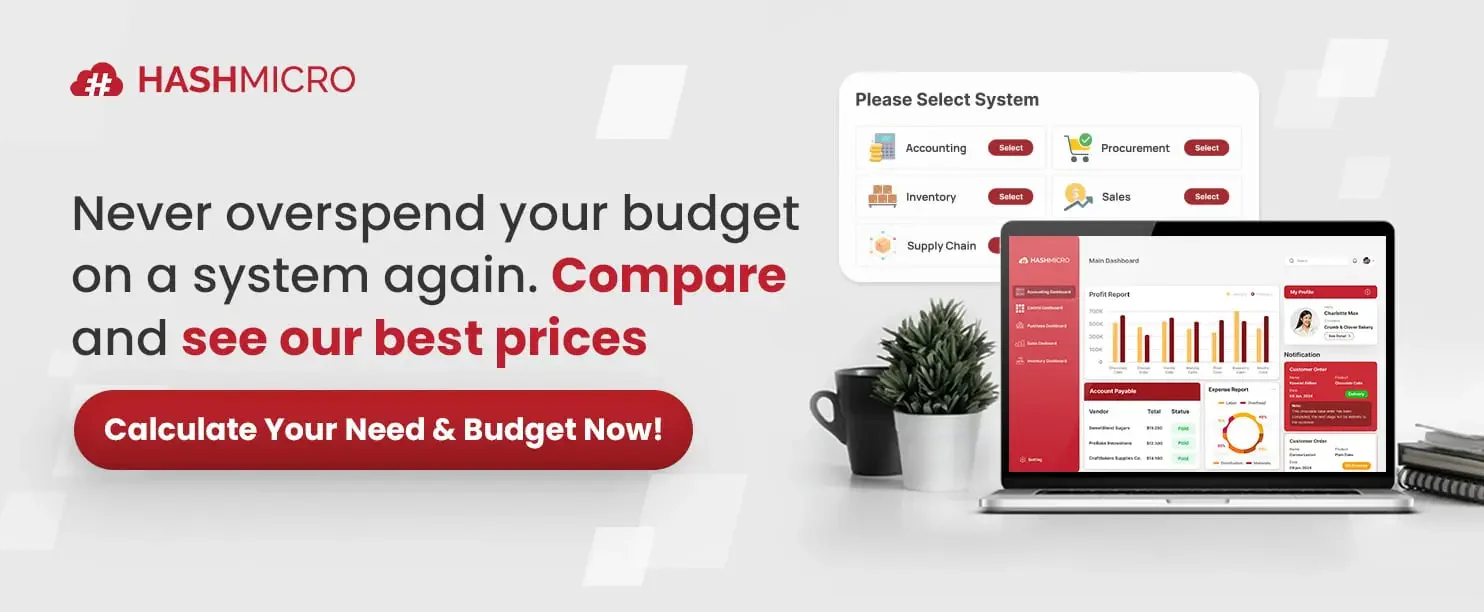
Considering these features and benefits, HashMicro offers flexibility and scalability for businesses of all sizes. If you’d like to explore pricing that fits your company’s needs, click the banner below to view the available plan options.
2. Ordoro
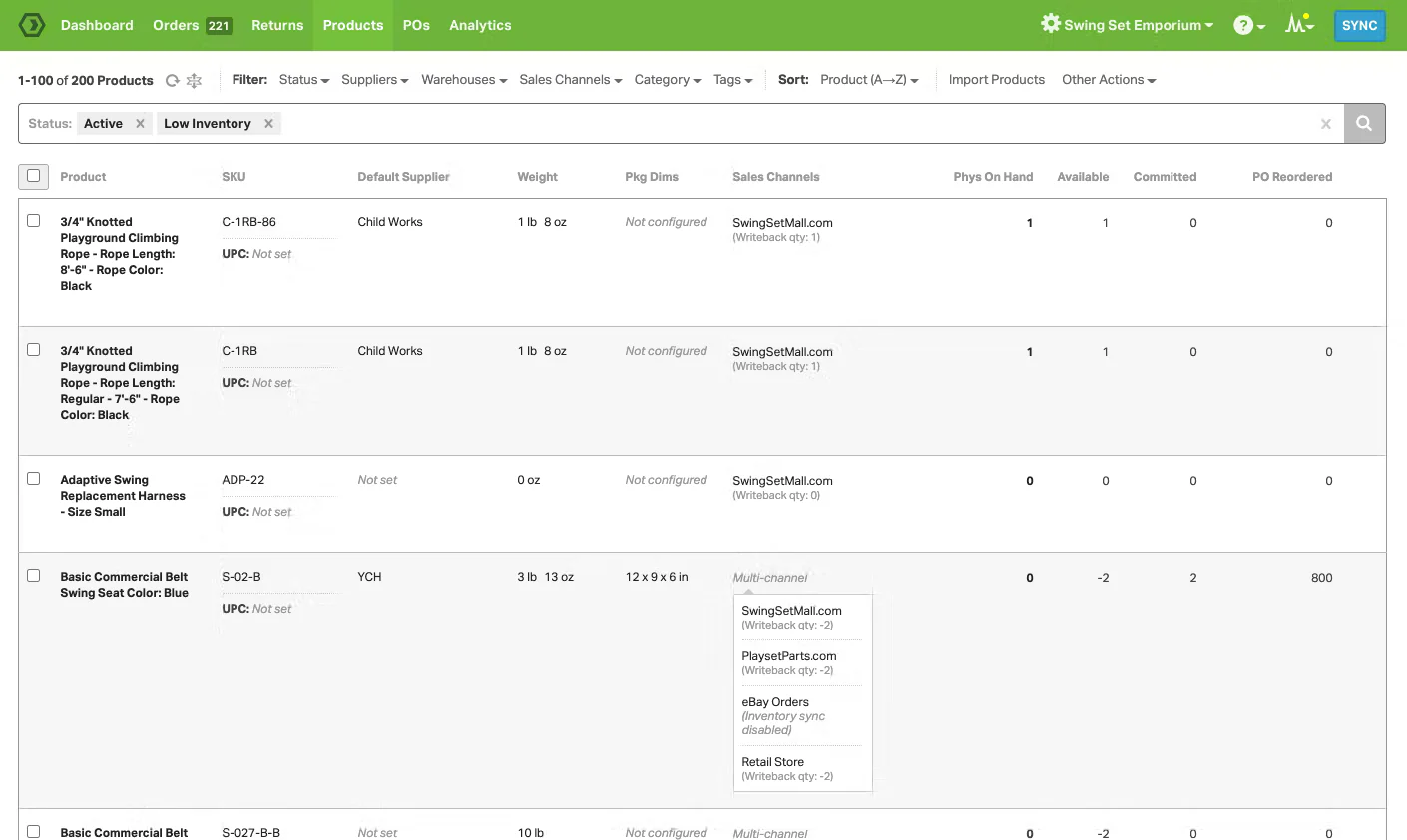
Ordoro web-based retail inventory software manages entire sales process from start to finish. It offers a seamless inventory management system with built-in features like shipping, kitting, dropshipping, automation, barcode scanning, supplier analytics, insurance, and returns.
Designed for efficiency, Ordoro keeps product information updated in real-time for smooth operations.
Why we recommend this: It combines inventory, shipping, and automation in one streamlined platform, giving businesses real-time accuracy and smoother operations from start to finish.
Features:
- Real-time inventory tracking
- Multi-channel inventory management
- Barcode scanning
- Automated order routing
- Dropshipping management
| Pros | Cons |
|
|
Why this suits Malaysian businesses: Ordoro suits Malaysian retailers that sell across multiple channels and need smoother inventory, shipping, and order tracking. Its automation features help reduce manual work and keep stock updates more consistent.
3. Partkeepr
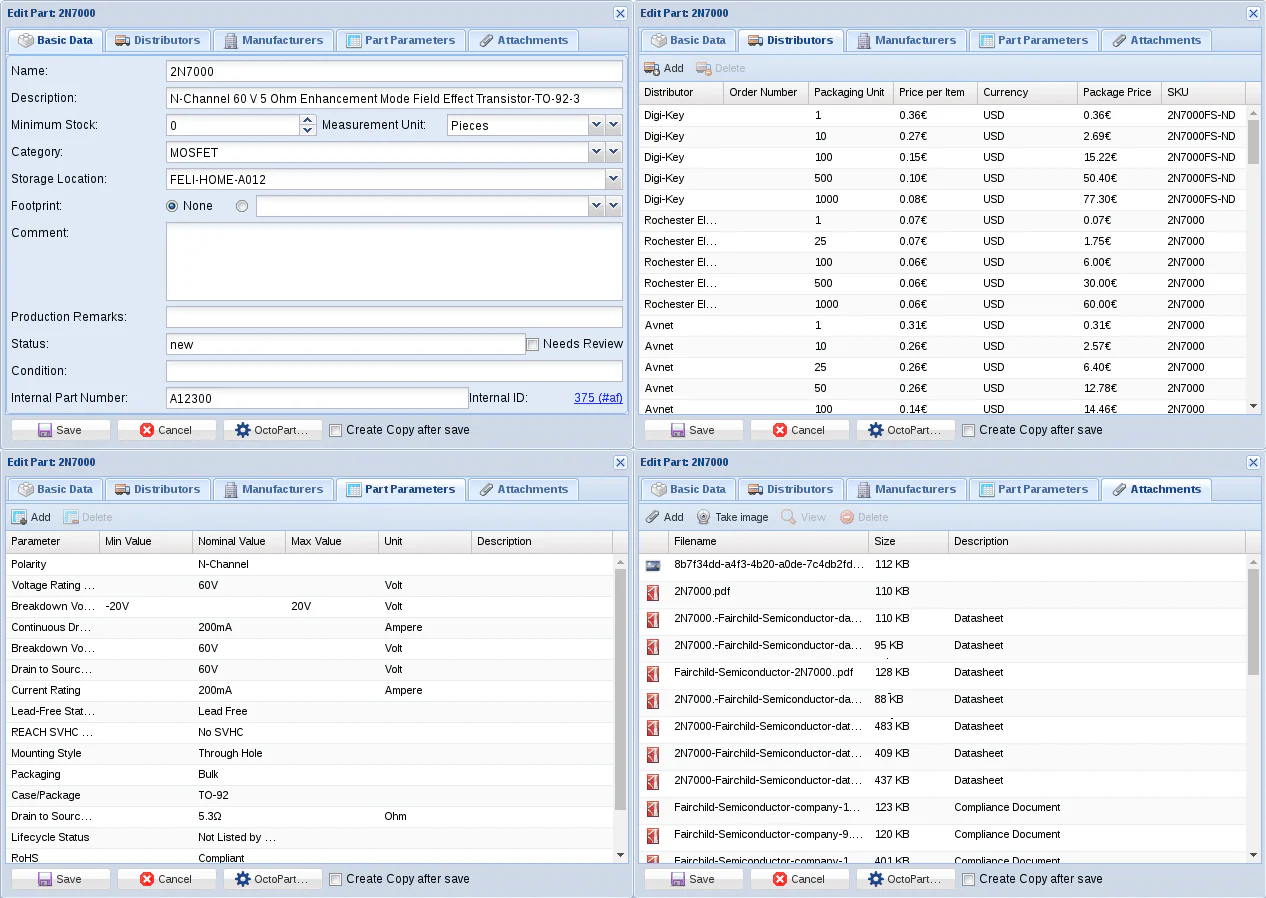
PartKeepr offers an open-source approach to inventory management, making it a potential option for businesses that require greater flexibility and customization. It provides efficient stock tracking, organization, and reporting to help retailers manage their inventory with ease.
Why we recommend this: I chose this software because its open-source flexibility lets businesses tailor the system to their exact needs without being limited by fixed features or rigid workflows.
Features:
- Customizable database fields
- Advanced search and filtering
- Import/export functionality
- User access control and permissions
- API for third-party integrations
| Pros | Cons |
|
|
Why this suits Malaysian businesses: PartKeepr suits Malaysian businesses that need a low-cost, customizable inventory tool and have technical support to manage its setup.
4. inFlow
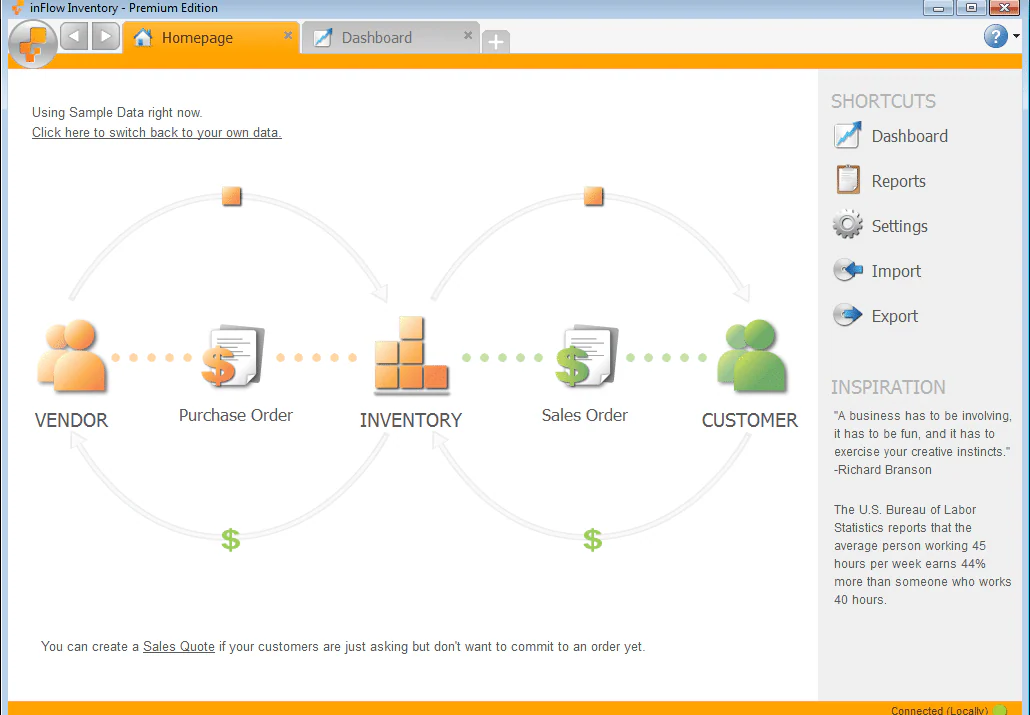
inFlow Retail Inventory Software help to track stock, manage orders, and optimize inventory workflows. It provides a user-friendly interface with powerful features to help businesses streamline their inventory processes.
Why we recommend this: It offers a simple yet powerful way to manage stock and orders, making it easy for teams to stay organized without dealing with complex systems.
Features:
- Automatic stock adjustments
- Low-stock alerts and reorder automation
- Supplier and customer management
- Integration with e-commerce and retail accounting software
| Pros | Cons |
|
|
Why this suits Malaysian businesses: inFlow Inventory suits Malaysian retailers that need simple stock tracking, barcode workflows, and easy order management without a complex setup.
5. Shopify
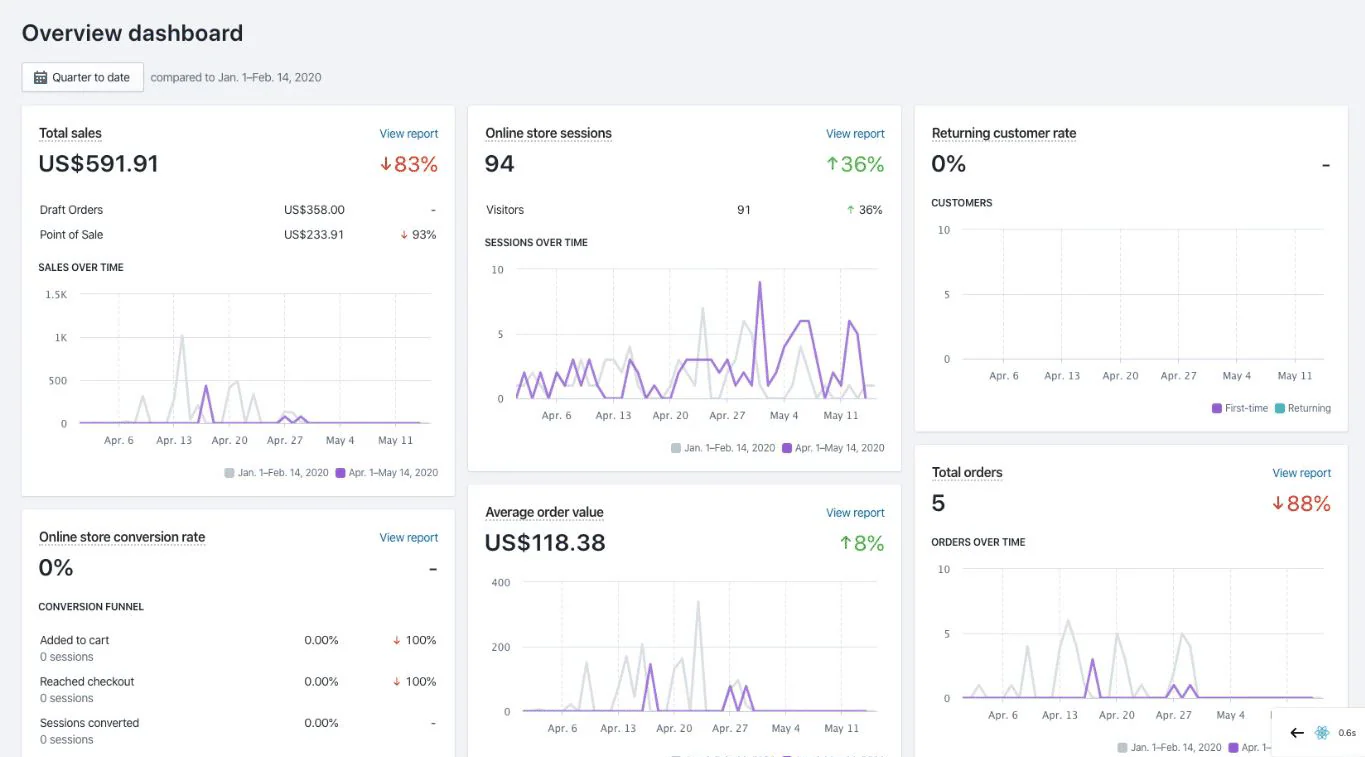
Shopify, a popular e-commerce platform, includes built-in inventory management tools for retailers. It allows businesses to track stock, manage sales, and sync inventory across multiple sales channels for seamless operations.
Why we recommend this: I chose this platform because its built-in inventory tools work effortlessly with online sales, giving businesses a smooth, unified way to manage products across every channel.
Features:
- Multi-channel inventory synchronization
- Barcode scanning and labeling
- Integration with POS, accounting, and third-party apps
- Low-stock alerts and notifications
| Pros | Cons |
|
|
Why this suits Malaysian businesses: Shopify suits Malaysian retailers that sell online and in-store, with inventory syncing across sales channels and simple POS integration.
6. RightControl
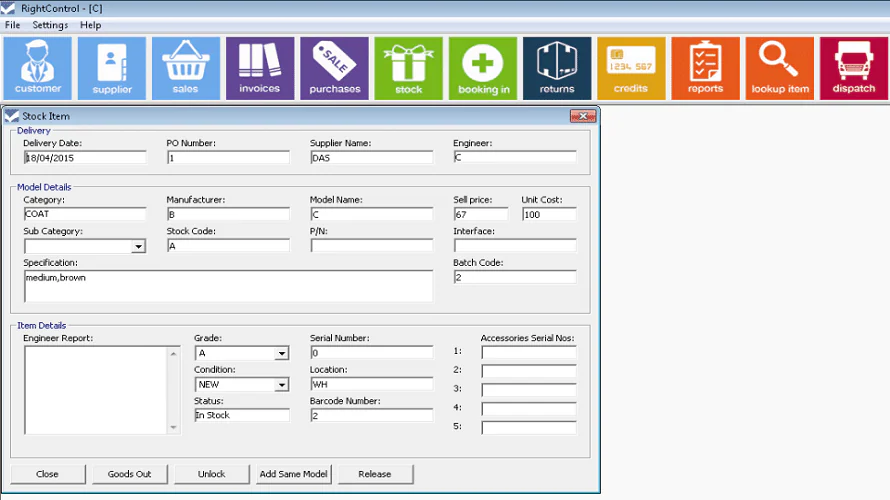
RightControl efficient for small to medium-sized retailers. It offers essential stock management features, order tracking, and sales processing.
With built-in invoicing, barcode scanning, and customer management, RightControl helps retailers streamline day-to-day inventory tasks without the complexity of larger enterprise solutions.
Why we recommend this: I chose this software because it provides the core inventory features businesses need in a simple, manageable package—perfect for retailers who want efficiency without unnecessary complexity.
Features:
- Barcode scanning for quick stock updates
- Multi-location stock management
- Automated low-stock alerts and reorder management
- Integration with accounting systems
- User access control for security
| Pros | Cons |
|
|
Why this suits Malaysian businesses: RightControl suits Malaysian SMEs that need simple stock control, sales tracking, and invoicing features without using a complex enterprise system.
7. Vend
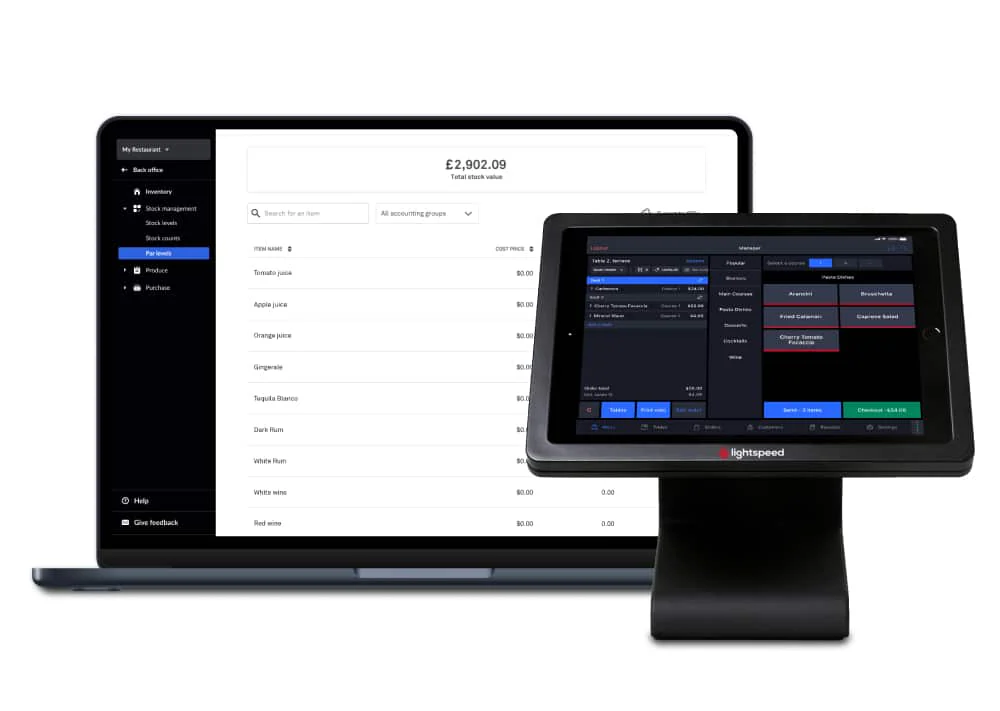
Vend is a cloud-based retail inventory management software designed for retailers looking to streamline stock control, sales, and customer management. It provides real-time inventory tracking, multi-store management, and seamless POS integration.
With advanced reporting and automated stock updates, Vend helps retailers maintain accurate inventory levels while improving operational efficiency.
Why we recommend this: It offers reliable real-time tracking and smooth POS integration, making it ideal for retailers who need accurate stock control across multiple locations.
Features:
- Low-stock alerts and notifications
- POS integration for seamless sales tracking
- Supplier and purchase order management
- Customer relationship management (CRM)
- Reporting and analytics for sales and inventory insights
| Pros | Cons |
|
|
Why this suits Malaysian businesses: Vend suits Malaysian retailers that need POS-connected inventory tracking, multi-store control, and real-time stock updates across daily store operations.
8. Cin7
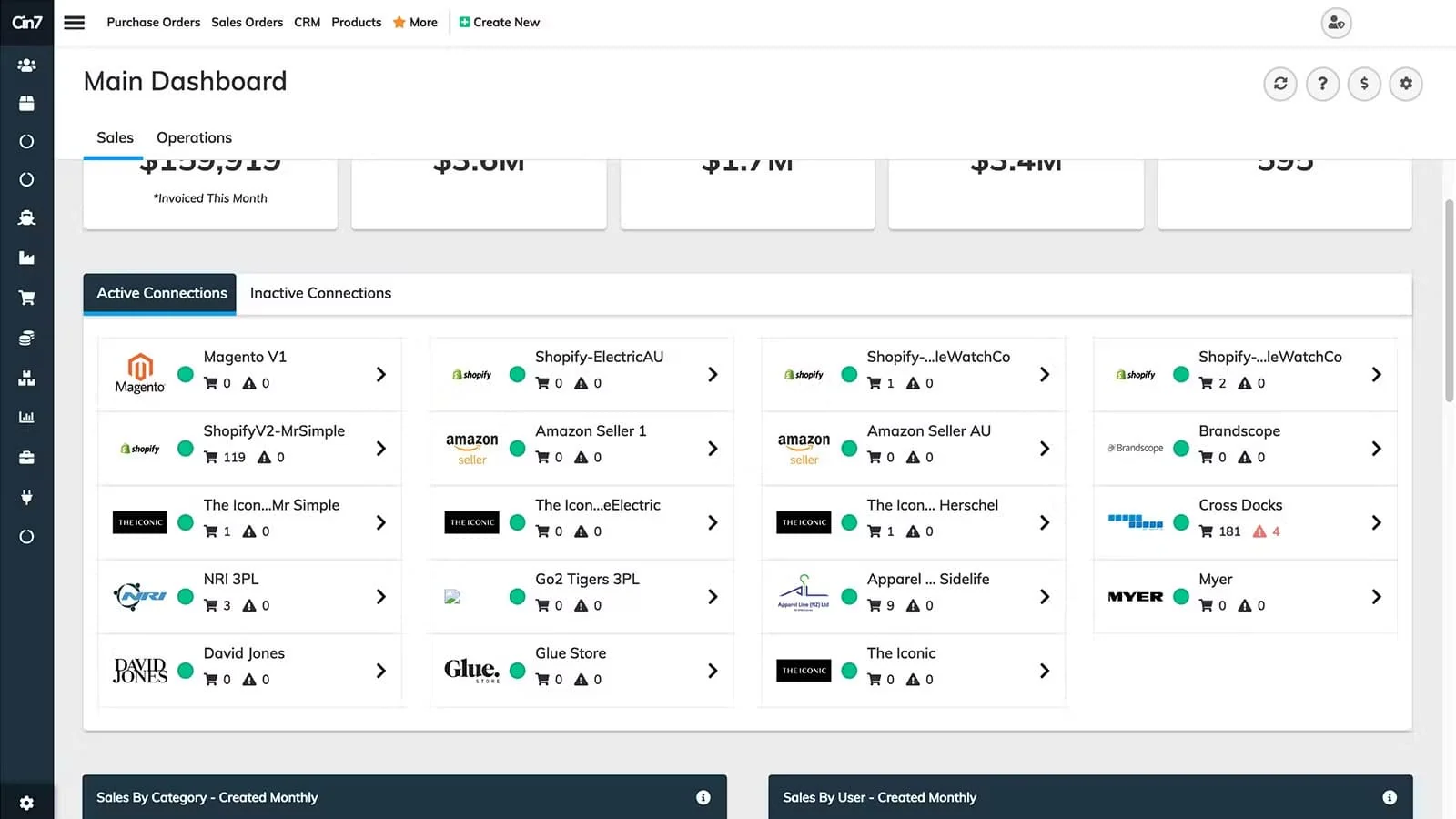
Cin7 designed for businesses that need advanced stock control, multi-channel sales integration, and automation. It offers real-time inventory tracking, warehouse management, and seamless connections to e-commerce, POS, and accounting systems. With its powerful automation and reporting tools, Cin7 helps retailers optimize inventory, reduce manual work, and scale efficiently.
Why we recommend this: It combines advanced automation with strong multi-channel capabilities, giving retailers the control they need to grow without adding operational complexity.
Features:
- Low-stock alerts and reorder automation
- POS integration for seamless sales tracking
- B2B and e-commerce platform synchronization
- Supplier and purchase order management
- Inventory forecasting and demand planning
| Pros | Cons |
|
|
Why this suits Malaysian businesses: Cin7 suits Malaysian retailers that manage multiple sales channels and need stronger inventory automation, POS integration, and real-time stock control.
9. Fishbowl
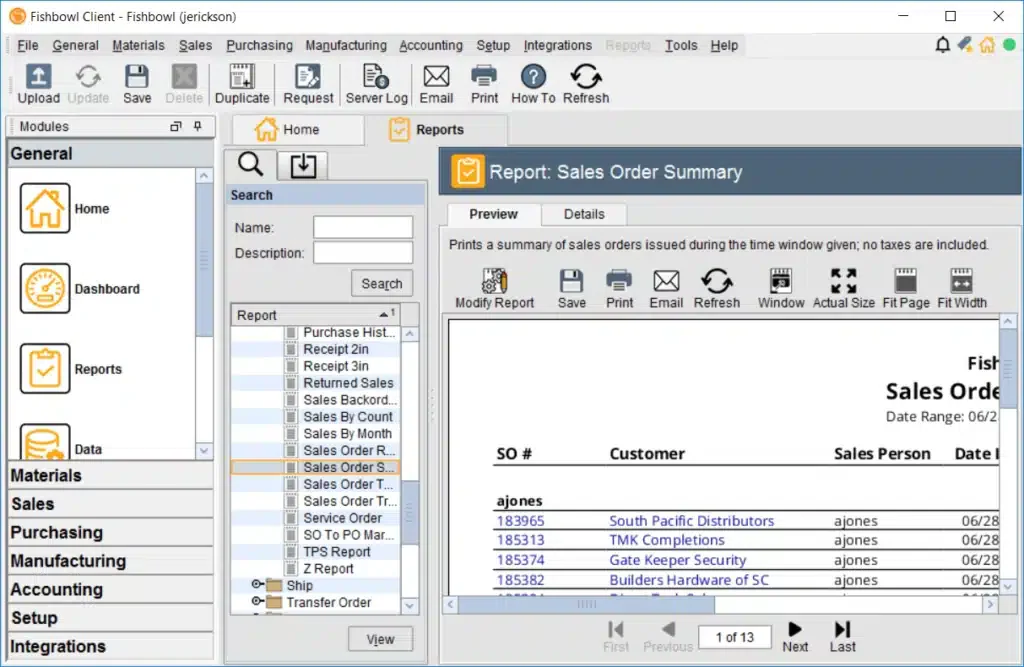
Fishbowl designed for businesses needing advanced inventory control, order management, and manufacturing capabilities. It integrates seamlessly with QuickBooks, e-commerce platforms, and POS systems, making it ideal for retailers looking to automate stock tracking and improve efficiency.
Why we recommend this: I chose this software because its strong integration capabilities and manufacturing-friendly features make it a reliable choice for businesses that need deeper inventory control across multiple workflows.
Features:
- Purchase order and supplier management
- Integration with QuickBooks, e-commerce, and POS systems
- Manufacturing and assembly tracking
- Sales order and fulfillment automation
| Pros | Cons |
|
|
Why this suits Malaysian businesses: Fishbowl suits Malaysian businesses that need stronger inventory control, QuickBooks integration, and manufacturing-friendly stock management beyond basic retail tracking.
10. Sortly
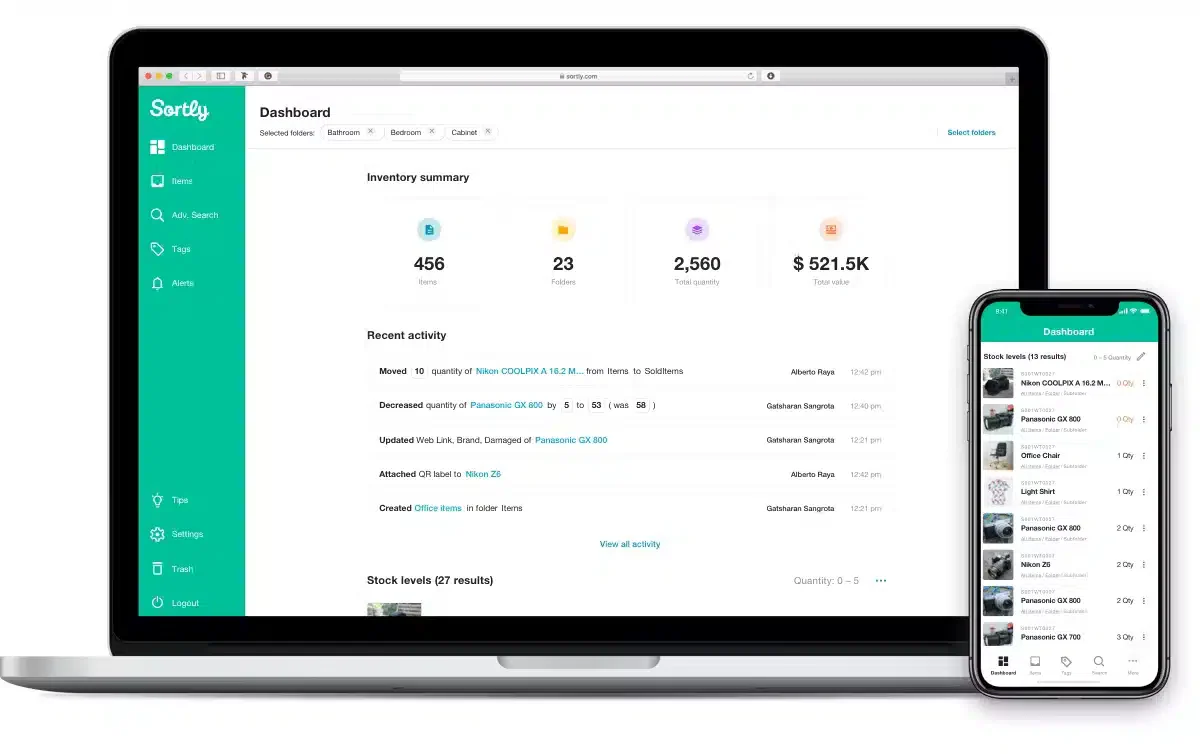
Sortly is a user-friendly retail inventory software designed for businesses that need simple, visual stock tracking. With an intuitive mobile app and barcode scanning features, Sortly makes it easy for retailers to manage inventory, track stock levels, and organize products without complex setups.
Why we recommend this: It offers a clean, intuitive interface that suits retailers who prefer a straightforward inventory tool without the learning curve. Its visual-focused tracking makes it ideal for businesses that want clarity and speed in daily stock management, especially those with small to medium retail operations.
Features:
- Real-time inventory tracking
- Barcode and QR code scanning
- Low-stock alerts and automated reminders
- Multi-location inventory management
- Customizable folders and tags for easy organization
| Pros | Cons |
|
|
Why this suits Malaysian businesses: Sortly suits Malaysian retailers that need simple, visual inventory tracking with barcode and QR code support for daily stock control.
11. Magestore
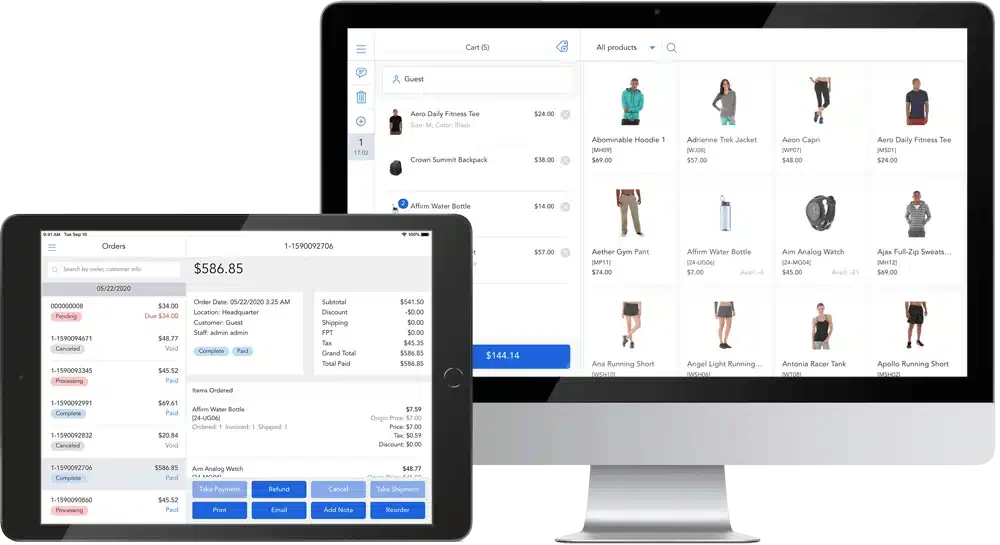
Magestore is a Magento-native retail POS and inventory management software built for omnichannel retailers. It helps unify data from all sales points (online and offline), making it easier to control inventory, process orders, and track customers in real time.
As a customizable inventory management software for retail, Magestore simplifies stock movement across multiple warehouses, supports barcode scanning, and offers low-stock alerts to help you stay ahead. Its strong Magento integration makes it a practical choice for sellers already using that platform.
Why we recommend this: I chose Magestore because its seamless Magento integration and centralized inventory control make it highly effective for omnichannel retailers.
Features:
- Real-time sync across sales channels
- Barcode scanning and stock tracking
- Multi-warehouse inventory control
- Low-stock alerts and reorder levels
- Customizable workflows based on business needs
| Pros | Cons |
|
|
Why this suits Malaysian businesses: Magestore suits Malaysian retailers using Magento that need POS-connected inventory, real-time stock sync, and multi-warehouse control across online and offline stores.
12. Lightspeed
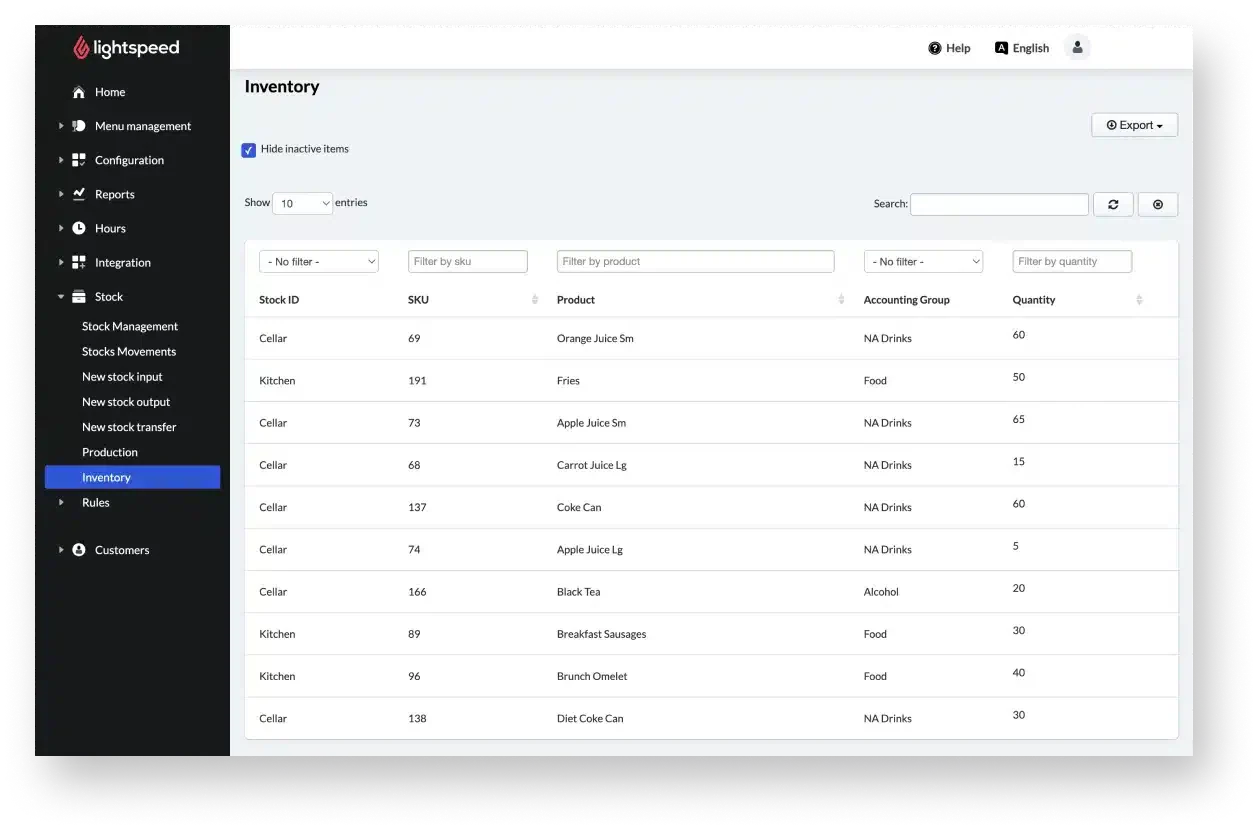
Lightspeed Retail, a cloud-based retail POS and inventory management software, designed for brick-and-mortar and e-commerce retailers. The system supports barcode scanning, multi-channel inventory sync, and advanced reporting features.
This flexible retail inventory tracking software enables retailers to manage both online and in-store stock from a single dashboard. Its built-in purchase order tools and customizable alerts make it one of the more complete inventory management software for retail businesses aiming to scale operations.
Why we recommend this: I chose Lightspeed Retail because it offers strong multi-channel inventory syncing and reliable reporting, making it ideal for retailers who need unified control across online and physical stores.
Features:
- Inventory sync between online and in-store
- Barcode scanning and generation
- Purchase order management
- Custom reports and analytics
- Real-time stock level alerts
| Pros | Cons |
|
|
Why this suits Malaysian businesses: Lightspeed Retail suits Malaysian retailers that need POS-connected inventory, multi-store stock control, and clear reporting for both online and physical stores.
13. Square
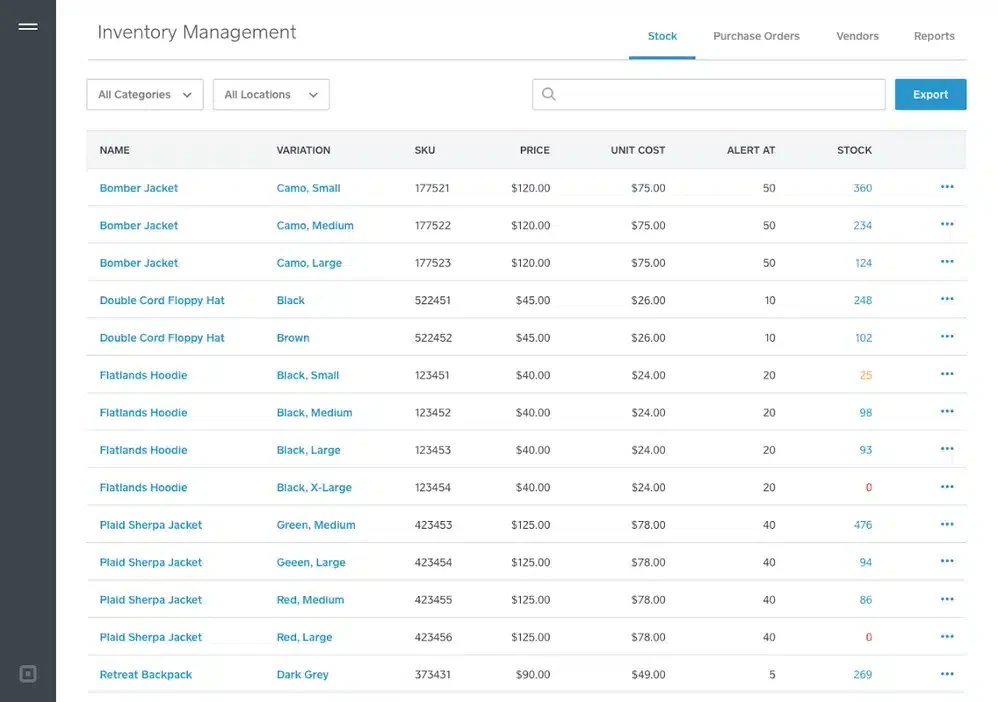
Square for Retail is an easy-to-use retail POS and inventory management software that’s especially useful for startups and growing retail stores. It provides barcode scanning, low-stock alerts, and automated stock adjustments across locations.
Although it offers a lighter toolkit compared to some competitors, it still delivers core functions of retail inventory tracking software, such as inventory categorization, CSV import, and real-time reporting. For retailers just starting out, it serves as a reliable inventory management software for retail operations with integrated payments.
Why we recommend this: I chose Square for Retail because it offers simple, essential inventory tools with built-in payments, making it a practical choice for new or growing retailers who need an easy and reliable system.
Features:
- Stock transfer and adjustments across locations
- Low-stock alerts and restock tools
- Barcode scanning and inventory search
- Import product lists via CSV
- Sales reporting and analytics
| Pros | Cons |
|
|
Why this suits Malaysian businesses: Square for Retail suits Malaysian retailers that need simple POS-connected inventory, built-in payment tools, and easy stock tracking for small or growing stores.
14. Katana
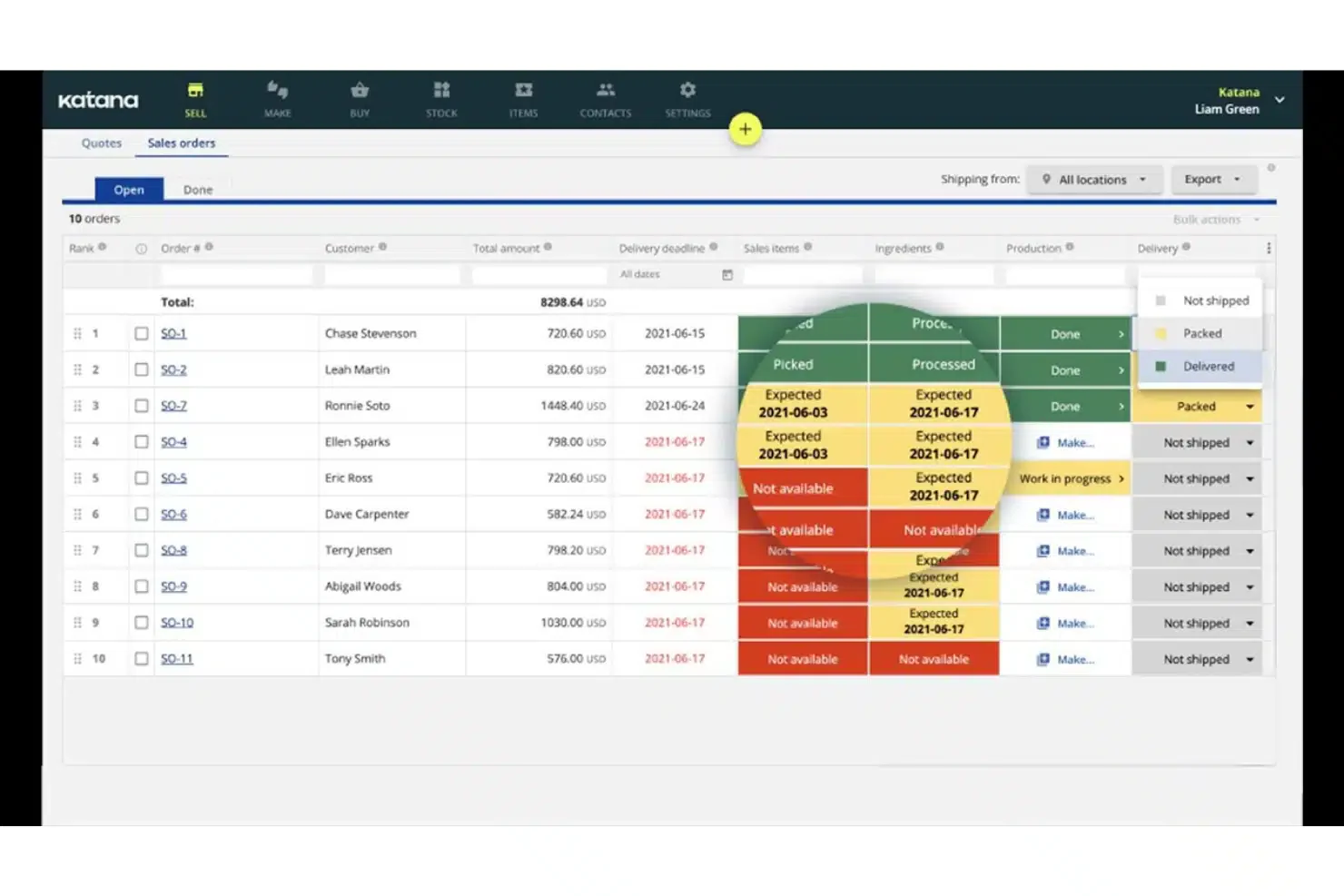
Katana retail inventory tracking software particularly suited for manufacturers and eCommerce brands. It provides excellent stock visibility and order tracking across multiple warehouses and sales channels.
The platform also works as an advanced inventory management software for retail, offering demand forecasting, barcode tracking, and integration with platforms like Shopify and QuickBooks. While not a full retail POS and inventory management software, Katana supports a wide range of inventory tasks for growing businesses.
Why we recommend this: I chose Katana because it delivers powerful inventory visibility and smooth multichannel syncing, making it ideal for brands that need clear control over stock and production without a complex setup.
Features:
- Inventory and order tracking
- Batch and expiry date monitoring
- Forecasting for demand planning
- Barcode and serial number support
- Integration with Shopify, QuickBooks, and others
| Pros | Cons |
|
|
Why this suits Malaysian businesses: Katana suits Malaysian businesses that need inventory visibility, demand planning, and production tracking across multiple sales channels.
Overall Comparison of the Best Retail Inventory Management Software in Malaysia 2026
| Provider | Inventory Accuracy | Bank Coverage | Ease of Integration | User Experience |
|---|---|---|---|---|
| Hashmicro | ||||
| inFlow Inventory | ||||
| Shopify | ||||
| Odoro | ||||
| Cin7 |
What are the Benefits of Retail Management Inventory Software?
Managing inventory can be challenging, but with the right software, you can effectively track your stock, reduce costs, and increase profits. Here’s how retail inventory software can help:
- Accurate stock tracking: Real-time updates reduce errors and ensure you always know your exact stock levels.
- Smarter stock control: Avoid overstocking or running out of popular items with automated reorder features.
- Lower costs, higher profits: Reduce waste, storage costs, and losses from expired or slow-moving items.
- Happier customers: Keep bestsellers in stock, increase satisfaction, and encourage repeat purchases.
- Saves time and effort: Automate manual stock tasks so your team can focus on sales and service.
- Real-time insights for better decisions: Make smarter decisions with data on trends, demand, and product performance.
- Smoother Operations: Improve overall efficiency, boost profitability, and scale with confidence.
By using retail inventory software, you’re not just keeping track of stock, you’re setting your business up for smoother operations, cost savings, and happier customers!
Key Features of Retail Inventory Software
Finding the right inventory software can make managing your store easier and more efficient. Here are the key features to look for:
- Real-Time Inventory Tracking – Updates stock levels instantly to prevent overstocking or stockouts.
- Automatic Reordering – Sends alerts or places orders when stock is low to ensure availability.
- Multi-Store Management – Syncs inventory across multiple locations to balance stock efficiently.
- Barcode Scanning – Speeds up stock checks and reduces errors by scanning products using the barcode scanning feature.
- Reports & Analytics – Provides insights on sales trends and stock levels for better decision-making.
- System Integration – Connects with POS, accounting, and e-commerce platforms for seamless operations.
- Mobile Access – Allows stock monitoring from anywhere with a mobile app or cloud-based system.
- Cost Tracking – Helps track product costs, profit margins, and overall inventory value.
- Returns & Refunds Management – Updates stock automatically when handling returns or exchanges.
- User-Friendly Interface – Simple and intuitive design ensures easy adoption with minimal training.
Choosing inventory software with these features will help your business run more efficiently and reduce manual work. HashMicro is one provider that meets these needs. Below are some of the most trusted inventory management software for retail used by businesses in Malaysia.
Tips for Choosing the Best Retail Inventory Software

Picking the right inventory software can make a big difference for your business. Here’s how to find the best fit:
- Know Your Needs
Start by identifying your business requirements, including inventory volume, turnover rate, and essential features. A small retail store may only need basic stock tracking, while larger businesses often require advanced tools such as multi-store management and detailed reporting. - Plan for Growth
The software you choose should support your future expansion plans. As your business grows, you may add new products, open additional locations, or require more advanced analytics. Selecting a scalable solution help you avoid costly software migrations and operational disruptions later on. - Check Integration Options
Inventory software works smoothly with the other systems you already use. Look for solutions that integrate with point-of-sale (POS) systems, accounting platforms, e-commerce stores, and customer management tools. Strong integration capabilities help ensure data accuracy and improve overall business efficiency. - Keep It Simple
A feature-rich system is valuable, but usability is equally important. Choose software with an intuitive interface that employees can learn quickly without extensive training. Easy-to-use software improves productivity, reduces mistakes, and encourages consistent use across your organization. - Go Mobile
Modern inventory management often requires access beyond the office or store floor. Cloud-based and mobile-friendly systems allow managers and staff to monitor inventory levels, approve stock transfers, and view reports from virtually anywhere. This flexibility is especially useful for businesses operating across multiple locations. - Read Reviews
Customer reviews and testimonials can provide valuable insights that are not always visible in product demonstrations. Pay attention to feedback regarding software reliability, customer support quality, and long-term performance. Reviews from businesses similar to yours can be particularly helpful when evaluating different options. - Test Before You Buy
Many software providers offer free trials, demos, or consultation sessions. Take advantage of these opportunities to explore the platform firsthand and assess whether it fits your workflows. Testing the software allows you to identify potential limitations, evaluate user experience, and gain confidence before making a financial commitment. - Compare Cost vs. Value
While pricing is important, the cheapest option is not always the best choice. Focus on the value the software provides through improved efficiency, fewer inventory errors, better reporting, and stronger long-term returns.
By following these tips, you’ll find a retail inventory system that makes managing stock easier and helps your business grow!
Which Retail Inventory Software Suits Your Business?
| Software | Key Capabilities | Strengths | Best Fit For |
|---|---|---|---|
| HashMicro | Barcode management, stock tracking, picking and packing, supplier automation, POS and ERP integration | Highly scalable, real-time inventory visibility, flexible deployment, strong integration capabilities | Retailers needing ERP-integrated inventory, purchasing, sales, and multi-branch stock control |
| Ordoro | Inventory tracking, shipping management, dropshipping, barcode scanning, order routing | Strong automation, multi-channel management, streamlined shipping workflows | Retailers managing ecommerce, shipping, and multi-channel operations |
| PartKeepr | Custom database fields, stock organization, reporting, API integrations, barcode support | Open-source flexibility, highly customizable, low-cost inventory management | Businesses needing customizable inventory systems with technical support teams |
| inFlow | Stock adjustments, reorder automation, supplier management, ecommerce integrations | Easy onboarding, user-friendly interface, barcode-ready workflows | SMEs needing simple inventory tracking and order management |
| Shopify | Inventory synchronization, barcode labeling, POS integration, app marketplace support | Strong ecommerce ecosystem, easy setup, omnichannel inventory syncing | Retailers selling online and in-store with Shopify-based operations |
| RightControl | Stock management, invoicing, barcode scanning, accounting integration, sales tracking | Affordable, lightweight system, simple inventory workflows | Small and medium retailers needing simple stock and invoicing tools |
| Vend | POS integration, multi-store inventory tracking, CRM, supplier management, reporting | Reliable real-time stock tracking, strong POS connectivity, cloud accessibility | Retailers operating multiple stores with POS-connected inventory needs |
| Cin7 | Warehouse management, inventory forecasting, ecommerce synchronization, automation tools | Advanced automation, strong integrations, scalable inventory control | Growing retailers managing multiple sales channels and warehouses |
| Fishbowl | Manufacturing tracking, purchase orders, QuickBooks integration, fulfillment automation | Strong manufacturing support, deep inventory control, accounting integration | Businesses needing manufacturing-friendly inventory management |
| Sortly | Visual inventory tracking, QR and barcode scanning, mobile inventory management | Simple interface, photo-based tracking, beginner-friendly system | Retailers needing visual inventory management with fast setup |
| Magestore | Magento integration, POS synchronization, multi-warehouse inventory, barcode tracking | Strong omnichannel support, customizable workflows, centralized stock management | Magento retailers managing online and offline inventory operations |
| Lightspeed Retail | Inventory sync, purchase order tools, barcode management, analytics and reporting | Strong omnichannel retail support, advanced reporting, cloud-based flexibility | Retailers needing unified online and offline inventory control |
| Square for Retail | Stock adjustments, barcode scanning, CSV imports, reporting, payment integration | Easy setup, built-in payments, beginner-friendly inventory management | Startups and growing retailers needing POS-connected inventory tracking |
| Katana | Demand forecasting, batch tracking, multichannel inventory visibility, Shopify integration | Strong forecasting tools, production tracking, clean user experience | Manufacturers and ecommerce brands needing inventory and production visibility |
Conclusion
Selecting the right retail inventory software can greatly enhance your business by improving stock accuracy, streamlining management, and optimizing workflows. Whether you run a single store or multiple locations, the right system helps cut costs, save time, and improve customer satisfaction.
With features like real-time tracking, automated stock replenishment, and detailed reporting, retail inventory management software enables smarter decision-making and keeps you competitive.
For a complete solution that integrates smoothly with your business, HashMicro’s Retail Inventory Management Software is an excellent choice. Want to improve your inventory management?
Try a free demo and see the benefits for yourself.

Frequently Asked Questions on Retail Inventory Software
What is retail inventory software?
Retail inventory software is a digital system that helps stores track, manage, and control stock levels in real time. It ensures that product quantities are always accurate by automatically updating inventory after every sale, return, or stock movement.
The software provides insights into fast-moving and slow-moving products, helping retailers prevent overstock and stockouts. With features like barcode/SKU tracking, reporting, and demand forecasting, it enables smarter purchasing decisions and improves overall store performance.
How does retail inventory software integrate with e-commerce platforms?
Retail inventory software often integrates seamlessly with e-commerce platforms, allowing businesses to synchronize stock levels, manage orders, and update product information across online and offline channels in real-time.
Can small businesses benefit from retail inventory management software?
Yes, small businesses can significantly benefit from retail inventory management software by automating stock tracking, reducing manual errors, and gaining insights into sales trends, which helps in making informed purchasing decisions.
How Inventory Management System Works
An inventory management system tracks goods from purchase to delivery, updating stock in real-time and automating processes like ordering and fulfillment. It ensures optimal inventory levels, prevents stockouts, and aids decision-making with real-time data and reporting.
What role does barcode scanning play in inventory management?
Barcode scanning streamlines inventory management by enabling quick and accurate tracking of products, reducing manual data entry errors, and facilitating efficient stock takes and order processing.