










A roster system is a workforce management tool used to create, manage, and share employee work schedules. It helps businesses organise shifts, track staff availability, and improve workforce planning more efficiently. Managing staff schedules is one of the most critical parts of running daily operations. When shifts are poorly planned, businesses face higher costs, compliance risks, and inconsistent service. A roster system acts as a system to manage rostering, helping businesses organise shifts and match staffing with demand. This makes scheduling more efficient, predictable, and easier to manage. Key Takeaways Understand how a roster system helps businesses organise staff schedules and improve daily operations. Learn why effective scheduling is essential for managing labour costs, compliance, and operational stability. Explore the key elements that ensure accurate scheduling, better staffing decisions, and smoother operations. Discover how to build a better roster system by analysing demand, choosing the right tools, and improving team adoption. A roster system is a structured way to schedule employees based on availability, roles, and operational needs. It ensures the right people are assigned to the right shifts at the right time. Beyond basic scheduling, a roster system plays a key role in maintaining efficiency and compliance. It helps businesses reduce errors, control labour costs, and manage workforce demands more effectively. In Australia, where labour regulations are strict and staffing costs are significant, having a reliable scheduling system is essential. A well-managed roster supports compliance while improving overall business performance. Roster systems help businesses manage staffing while staying compliant with Australian regulations. Effective scheduling improves cost control, reduces risks, and supports stable operations. A roster system helps businesses match staffing levels with actual demand. This ensures there are enough employees during peak periods without overstaffing during quieter hours. Balanced staffing improves service quality and prevents employee fatigue. It also helps maintain consistent operations across different shifts. Manual scheduling often leads to errors such as double bookings or assigning shifts during approved leave. These mistakes create disruptions and increase administrative workload. A structured roster system minimises these issues by organising availability and shift allocation in one place. This improves accuracy and reduces last-minute changes. Australian businesses must comply with the Fair Work Act, Modern Awards, and entitlements under the National Employment Standards, including rules around wages, overtime, and rest breaks. Managing these requirements manually increases the risk of compliance issues. A reliable roster system helps ensure shifts align with legal requirements. This reduces the risk of penalties and supports fair treatment of employees. Labour is one of the largest expenses for most businesses. Poor scheduling can lead to unnecessary overtime, overstaffing during slow periods, or last-minute shift changes that push costs beyond budget. A well-managed roster helps allocate shifts more strategically and lets managers estimate total labour costs before the schedule is published. This visibility allows businesses to adjust staffing levels proactively, keeping spend within budget while maintaining productivity and service quality. An effective system for roster management relies on key elements that ensure schedules are accurate, balanced, and aligned with business needs. When these elements are managed properly, businesses can improve efficiency and reduce operational issues. Accurate scheduling starts with understanding employee availability and contract terms. Different roles such as full-time, part-time, and casual staff require different scheduling approaches. Having clear visibility into availability helps prevent conflicts and missed shifts. It also ensures businesses meet contractual obligations and workforce expectations. Well-defined shift structures help businesses align staffing with operational demand. This ensures enough coverage during busy periods without overstaffing during slower hours. Planning coverage properly improves efficiency and service quality. It also helps maintain a consistent workflow across shifts. Scheduling is not only about filling shifts but assigning the right people to the right roles. Employees need to have the required skills or certifications for specific tasks. Matching roles correctly improves productivity and reduces errors. It also ensures operations run smoothly across departments. Managing leave and absences is essential for maintaining stable schedules. Without proper coordination, unexpected gaps can disrupt operations. A structured system supports employee leave tracking and helps adjust shifts accordingly. This allows businesses to respond quickly and maintain coverage. Roster systems are applied differently across industries depending on operational needs and workforce structure. Each sector uses scheduling to solve specific challenges and improve efficiency. Healthcare requires precise scheduling to ensure continuous service and patient safety. Staff must be assigned based on qualifications and shift requirements. Roster systems help manage complex schedules and reduce fatigue risks. This ensures consistent care and compliance with industry standards. Retail and hospitality depend on flexible staffing to match customer demand. Busy periods often require quick adjustments in workforce allocation. Roster systems help businesses scale staff up or down efficiently. This improves service levels while controlling labour costs. Manufacturing and logistics rely on structured shifts to maintain continuous operations. Scheduling must align with production targets and delivery timelines. Roster systems help coordinate workers, equipment, and tasks effectively. This ensures operations run smoothly and efficiently. Building a roster system requires more than assigning shifts. Businesses need a structured approach that aligns staffing with demand, compliance, and daily operations. Effective scheduling starts with understanding when and where staff are needed. Reviewing historical data and demand patterns helps businesses predict staffing requirements more accurately. This allows managers to plan shifts based on real needs. It reduces both understaffing and unnecessary labour costs. The right tools make scheduling faster and more accurate. Systems that centralise data and act as a platform for shift scheduling like HRM system or ERP improve visibility across operations. Choosing scalable and easy-to-use tools helps teams adapt quickly. It also reduces manual work and potential errors.
Scheduling must follow labour regulations and pay structures. Incorrect setup can lead to compliance risks and payroll issues. A well-configured system ensures shifts align with legal requirements. This helps businesses avoid penalties and maintain fair practices. Successful implementation depends on how well teams adopt the system. Proper training ensures staff understand how to use scheduling tools effectively. Rolling out the system gradually helps identify issues early. This reduces disruption and improves long-term adoption.
Even with a system in place, poor scheduling practices can still affect operations. Avoiding common mistakes helps maintain efficiency and workforce stability. Scheduling without considering availability leads to missed shifts and dissatisfaction. This can increase absenteeism and disrupt daily operations. Respecting availability improves reliability and staff morale. It also creates a more stable working environment. Using the same schedule repeatedly ignores changes in demand. This often results in overstaffing or understaffing. Adjusting schedules based on real data improves efficiency. It also helps businesses respond better to operational changes. Labour regulations and pay rules can change over time. Outdated settings increase the risk of non-compliance. Regular updates ensure schedules remain accurate and compliant. This protects businesses from legal and financial risks. As scheduling becomes more complex, businesses are moving beyond basic rostering into more data-driven approaches. These strategies help improve accuracy, flexibility, and long-term efficiency. Businesses can use historical data to predict staffing needs more accurately. This helps align schedules with demand instead of relying on guesswork. An AI-integrated roster system can improve planning by identifying patterns and suggesting optimal shift allocation. This reduces manual effort and improves decision-making. Modern roster systems allow employees to manage availability, swap shifts, or accept open shifts. This gives staff more control over their schedules. Greater flexibility improves engagement and reduces scheduling conflicts. It also helps managers fill gaps faster without manual coordination. Integrating rostering with payroll and attendance reporting ensures accurate tracking of hours, actual time worked, and wages. This reduces errors and eliminates the need for duplicate data entry across multiple systems. A connected system improves efficiency and ensures compliance with pay rules. It also gives businesses better visibility into labour costs and attendance patterns across teams. A well-structured roster system helps businesses manage staffing more efficiently while maintaining compliance and cost control. By aligning schedules with demand, companies can reduce errors, improve productivity, and create more stable operations. As workforce planning becomes more complex, relying on manual scheduling is no longer sustainable. Businesses that adopt smarter rostering approaches can respond faster to changes and maintain consistent performance. If your business wants to improve workforce scheduling and reduce risks, you can consult our experts to explore the right solution. A roster system is used to schedule employees based on availability, roles, and business needs. It helps ensure the right staff are assigned to the right shifts while improving efficiency and reducing scheduling errors. A roster system helps businesses align staffing with actual demand, reducing unnecessary overtime and overstaffing. This improves cost control while maintaining productivity. Compliance ensures businesses follow labour laws such as working hours, overtime, and pay regulations. A proper roster system helps reduce the risk of penalties and legal issues. Yes, small businesses can use roster systems to manage staff more efficiently, reduce scheduling conflicts, and improve daily operations without relying on manual processes.What Is a Roster System and Why It Matters Today
Why Roster Systems Are Critical for Australian Businesses
Ensuring optimal staffing levels
Reducing scheduling errors and conflicts
Supporting Fair Work compliance in Australia
Controlling labour costs effectively
Core Elements Behind an Effective Roster System

Employee availability and contract types
Shift structures and coverage planning
Role assignment and skill matching
Leave and absence coordination
How Different Industries Use Roster Systems
Healthcare and medical services
Retail and hospitality operations
Manufacturing and logistics environments
How to Build a Roster System That Actually Works
Analysing workforce demand
Choosing the right scheduling tools
Configuring compliance and pay rules
Training teams and rolling out gradually
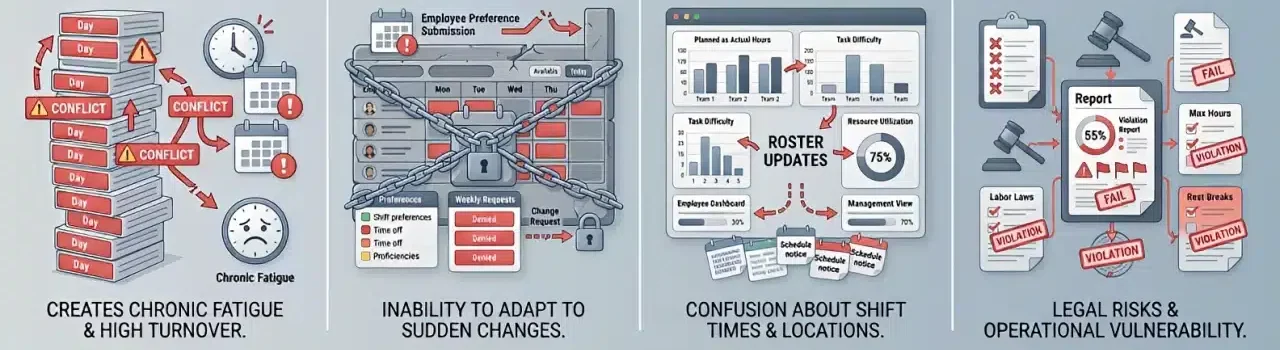
Common Scheduling Mistakes That Disrupt Operations
Ignoring employee availability
Relying on repetitive scheduling patterns
Failing to update compliance rules
Advanced Workforce Scheduling Strategies
Predictive scheduling with data and ai
Employee self-service and shift flexibility
Integrating rostering with payroll systems
Conclusion
FAQ About Roster Systems
What is a roster system used for?
How does a roster system help reduce labour costs?
Why is compliance important in roster scheduling?
Can small businesses benefit from a roster system?
Smarter Workforce Scheduling Starts with the Right Roster System

Claire is a policy-led people leader with a strong balance of employee advocacy and organisational standards. Her track record spans HR partnering in large-scale environments and performance/talent programs in high-growth teams, which shows up in her decisive, risk-aware judgement.
HashMicro follows strict editorial standards and uses primary sources such as regulations, industry guidance, and trusted publications to keep content accurate and relevant.