













In today’s competitive landscape, Malaysian businesses are under growing pressure to manage their teams more efficiently. Salam sejahtera to all professionals striving for better workforce strategies—this is where effective workforce management becomes essential.
The global workforce management market is projected to reach US$9.3 billion by 2025, driven by rising demand for workforce optimization tools and mobile-first solutions. From retail and F&B to construction and manufacturing, companies across Malaysia are embracing smarter ways to manage attendance, scheduling, and compliance.
A reliable workforce management system doesn’t just track time—it empowers businesses to enhance productivity, reduce absenteeism, and foster a more engaged workforce.
Key Takeaways
Workforce management involves strategic planning, scheduling, and monitoring of employees to improve business efficiency and compliance.
A robust workforce management system includes tools for time tracking, payroll automation, and real-time performance monitoring.
Adopting the right workforce management software reduces absenteeism, boosts employee engagement, and supports data-driven decision-making.
HashMicro’s HR Software provides an all-in-one solution tailored for Malaysian businesses seeking to simplify operations and optimize workforce productivity.

What is Workforce Management?
Workforce management is the strategic process of organizing and overseeing employee operations to ensure maximum productivity and efficiency. It involves managing key aspects like timekeeping, shift scheduling, payroll, performance monitoring, and compliance with labor regulations.
Modern workforce management systems within ERP software go beyond daily tasks by supporting employee well-being, automating administrative work, and improving planning. This helps companies reduce risks and build a healthier, more efficient work environment.
In essence, a well-implemented workforce management solution empowers businesses to align their labor resources with operational goals—boosting productivity while staying agile in a competitive market.
Key Features of an Effective Workforce Management System
An effective workforce management system for roster automation comprises several core components that support both operational control and employee satisfaction. Together, these features help businesses manage people more efficiently while fostering a productive work environment.
1. Time and Attendance Management
With tools like GPS tracking and facial recognition, businesses can verify employee check-ins in real time—reducing fraudulent attendance and ensuring accurate records.
2. Employee Scheduling
A smart employee scheduling software allows for flexible, automated shift planning. Whether managing fixed or rotating shifts, it helps balance workforce needs and employee preferences.
3. Payroll and Compensation
Automated payroll process based on timesheets ensures accurate and timely payment, minimising errors and saving HR teams valuable time.
4. Task Management and Approvals
Assigning tasks with automatic reminders speeds up workflows and reduces the need for manual follow-ups, keeping operations on track.
5. Talent and Performance Management
Monitoring performance using KPIs provides clear insights into employee growth. Structured evaluations help identify top talent and development opportunities.
6. Competency Gap Analysis and Skill Matching
By analyzing skill gaps, businesses can align team members with the right roles—improving efficiency, job fit, and team performance.
Benefits of Workforce Management
Implementing a well-structured workforce management system can lead to significant improvements across multiple areas of your business. Whether you’re aiming to improve productivity or retain talent, the right tools make a measurable difference.
- Boosted Employee Engagement
Businesses that use workforce management software with clear performance goals and continuous feedback often see engagement levels rise by 18%. Employees feel more connected and empowered in their roles. - Greater Efficiency and Output
Proper performance tracking leads to a 15% increase in productivity, as employees are guided by structured goals and timely reviews. - Stronger Leadership Alignment
When leadership is actively involved in the workforce strategy, companies experience up to 20% greater success, as teams move in sync with company-wide objectives. - Improved Business Outcomes
Organizations that consistently track progress and performance enjoy a 12% improvement in overall results, thanks to better focus and quicker issue resolution. - Higher Job Satisfaction
Fair and transparent evaluation systems can enhance employee satisfaction by 25%, giving teams a stronger sense of purpose and recognition. - Lower Staff Turnover
Companies that align employee performance with business goals see turnover drop by 10%, as workers are more likely to stay when they understand their value.
Challenges of Manual Workforce Management
Manual processes may seem manageable at first, but as your business scales, they can become a source of inefficiency and risk. Without a proper workforce management solution, companies often encounter recurring operational issues that affect both performance and compliance.
1. Inaccurate Time Tracking
Using outdated or disconnected timekeeping systems can lead to payroll mistakes, excess admin work, and legal risks. Errors in attendance tracking also affect employee morale and could result in reputational damage.
2. Complexity with Represented Employees
Managing unionized or contract-bound staff is challenging without centralized tools. Their pay, benefits, and entitlements often require detailed tracking, which manual systems fail to handle efficiently.
3. Ineffective Absence Management
Without a reliable attendance system, managing leaves and absences becomes inconsistent—especially across locations with different labor regulations. This inconsistency can impact productivity and expose businesses to compliance issues.
4. Poor Safety Reporting
Many companies struggle to receive timely reports on safety hazards or incidents. Complex or manual reporting processes discourage employees from flagging issues, putting workplace safety at risk.
Switching to an automated labor force management solution or integrated HR software helps resolve these challenges by offering real-time visibility, improved accuracy, and streamlined reporting. With the right tools in place, businesses can enhance decision-making, reduce compliance risks, and create a more efficient workplace.
How to Choose the Right Workforce Management System

Selecting the right workforce management system requires more than just checking off features—it’s about choosing a solution that aligns with your business needs, workforce dynamics, and future goals. Here are five essential factors to evaluate:
1. Employee Training and Support
Even the most advanced workforce management software will fall short if your team isn’t equipped to use it. Ensure the provider offers thorough onboarding, clear documentation, and ongoing support to encourage adoption across all departments.
2. Customization and Scalability
Your HR software should adapt as your business evolves. For example, construction companies may require construction scheduling software that can manage complex project timelines and mobile crews, while ensuring real-time updates across teams.
3. Data Security and Compliance
Handling sensitive employee data requires strict security protocols. Make sure the system complies with local and global privacy laws, and includes encryption, access controls, and regular audits.
4. Analytics and Reporting
Advanced workforce optimization tools should come with built-in reporting features. These allow you to track trends, forecast staffing needs, and make informed decisions to boost efficiency.
5. Change Management Strategy
Rolling out new systems can face internal resistance. Businesses in hospitality, for instance, benefit from restaurant workforce software that simplifies shift rotation, seasonal hiring, and hourly tracking—ensuring smoother transitions and better staff engagement.
Enhance Workforce Productivity with HashMicro’s HR Software
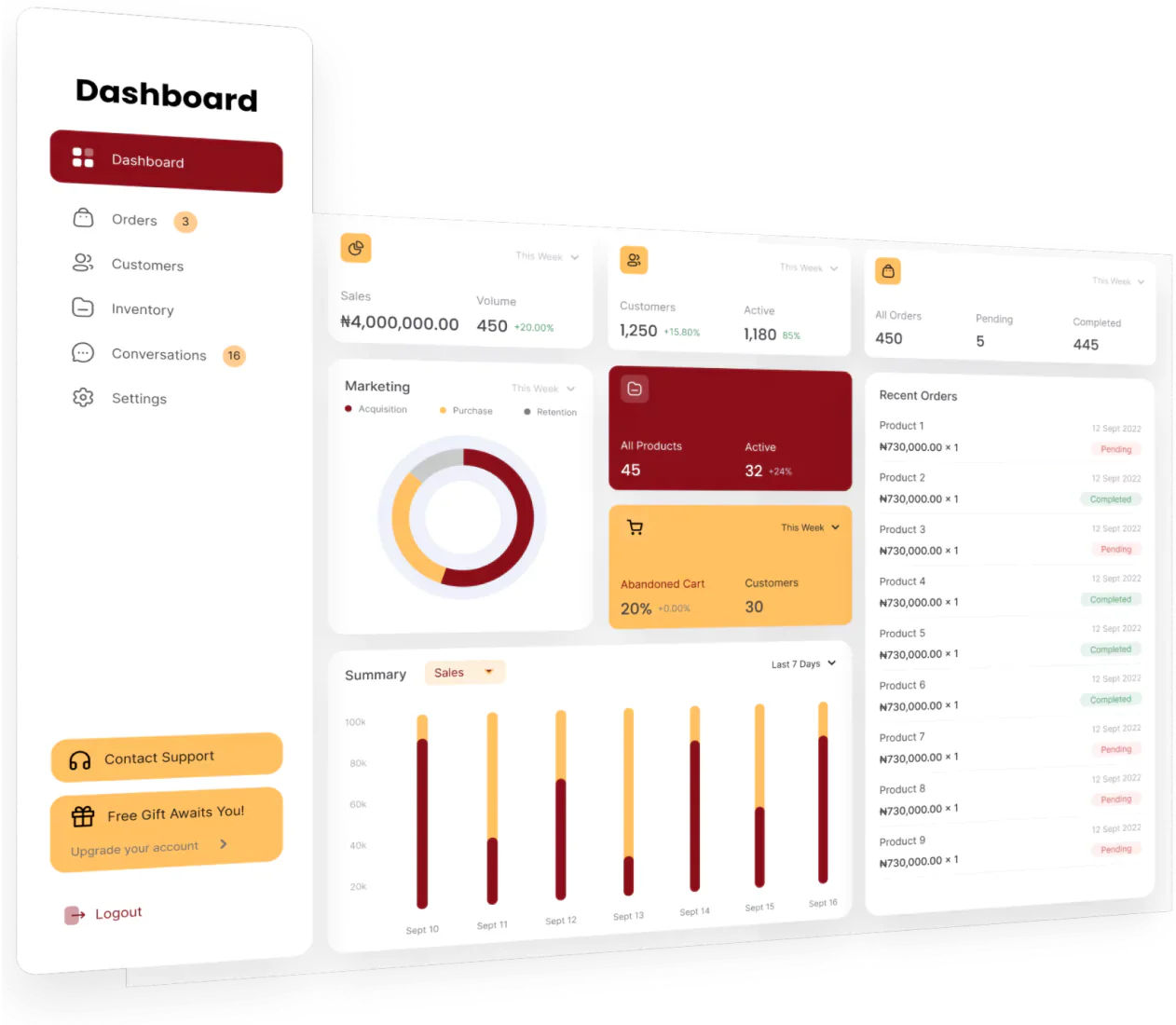
Managing your workforce doesn’t have to be overwhelming. With HashMicro’s HR software, businesses can automate repetitive tasks, gain real-time visibility into workforce operations, and focus on what truly matters—driving growth and employee satisfaction.
Designed to serve industries like retail, construction, and F&B, HashMicro’s solution simplifies everything from attendance tracking to performance management. Whether you’re handling a large labor force or a shift-based team, this powerful workforce management software adapts to your business needs.
Explore the key features:
- Facial recognition and GPS-based attendance
Prevents fraud and enhances accuracy for on-site or remote teams. - Flexible scheduling and roster management
Supports dynamic shift planning, perfect for fluctuating schedules or multi-location operations. - Payroll automation for hourly and daily workers
Saves time and reduces errors with seamless timesheet integration. - Talent management with KPI monitoring
Aligns employee goals with business performance through structured evaluations. - Nine-box performance matrix
Enables strategic hiring, development, and succession planning based on employee potential. - Integrated e-learning and training plans
Keeps your workforce upskilled and engaged through continuous development programs.
Conclusion
Effective workforce management is more than just tracking schedules—it’s about aligning people, processes, and performance with your business goals. Without the right system in place, companies risk inefficiencies, compliance issues, and employee disengagement.
HashMicro’s HR software offers a powerful solution for Malaysian businesses seeking to modernize their workforce operations. With tools for attendance, payroll, performance, and talent development, it empowers organizations to make smarter, faster decisions. It provides a centralized system that drives efficiency and growth—now available for exploration through a free demo.
FAQ about Workforce Management
What is meant by workforce management?
Workforce management refers to the strategies and tools used to plan, monitor, and optimize employee productivity, including scheduling, time tracking, and performance management.
What are the 4 key pieces of WFM?
The four key components are time and attendance tracking, employee scheduling, performance management, and payroll processing.
Is workforce management part of HR?
Yes, workforce management is a core function of HR, focusing on aligning employee operations with business goals through efficient planning and resource allocation.