













Struggling to choose the right supply chain software for your company? You’re not alone. Many Malaysian retailers face daily setbacks due to fragmented systems that make supply chain coordination difficult and inefficient.
A strong retail supply chain software can be a game-changer. According to PwC’s 2024 Digital Trends in Operations Survey, 46% of operations and supply chain officers view disruptions as a major risk. These platforms not only track stock, but also integrate purchasing, warehousing, logistics, and demand planning for total control and efficiency.
With the right retail supply chain management software, you can automate manual tasks, forecast demand with precision, and reduce costs across your operations.
In this article, we’ll walk you through the top 12 tools for 2025 that can help retailers in Malaysia streamline operations and grow with confidence.
Key Takeaways
Retail supply chain software is vital for improving operational efficiency, providing real-time tracking, inventory optimization, and demand forecasting capabilities.
Retail supply chain software brings several benefits, such as enhanced operational efficiency, cost reduction, better customer satisfaction, and increased flexibility to adapt to market changes, all of which are crucial for staying competitive in the retail industry.
Selecting the ideal SCM software for your Malaysian business involves assessing your company’s unique needs, evaluating features like real-time tracking and demand forecasting, and considering scalability to accommodate future growth.
Siloed data creates blind spots that cause costly stockouts and fulfillment delays. A unified supply chain platform provides the real-time visibility needed to optimize your entire retail network.

Shortlist Retail Supply Chain Software for Your Business
Choosing the right retail supply chain software depends on your business size, operational needs, and how you manage inventory and distribution. To simplify your decision, here’s a shortlist of solutions and the businesses they best suit.
 HashMicro
Best Because
Growing retailers looking for scalable inventory, order, and supply chain management in one platform.
 Sage
Sage
Best Because
Small to medium retail businesses that need flexible inventory control and financial management.
After reviewing the key supply chain software options above, you may need a clearer comparison of how each solution performs across core capabilities and local support. The table below provides a quick overview to help you evaluate which system best fits your operational needs in Malaysia.
| Software | Strength | Malaysia Support | Pricing Model |
|---|---|---|---|
HashMicro |
End-to-end SCM with inventory, procurement, and real-time logistics tracking | Native SST compliance, LHDN-ready reporting, and strong local MY support | Custom Pricing |
NetSuite |
Cloud-based SCM with real-time visibility and demand planning | Available via partners in Malaysia with localized implementation support | Custom Quote |
Microsoft Dynamics 365 |
AI-powered supply chain insights with deep Microsoft ecosystem integration | Supported in Malaysia with partners and localized compliance setup | Subscription (fromRM300/user/month) |
SAP SCM |
Enterprise-grade SCM with advanced planning and analytics | Strong presence in Malaysia with localized compliance and partner network | Custom Quote |
Infor Retail |
Industry-specific SCM with AI-driven analytics for retail operations | Available in Malaysia via regional partners with implementation support | Custom Quote |
Odoo |
Modular open-source ERP with supply chain and inventory capabilities | Supported in Malaysia through partners with customizable localization | Free / Paid Modules |
Sage |
Cloud-based SCM with inventory, CRM, and financial integration | Available in Malaysia with local partners and accounting compliance support | Subscription |
Brightpearl |
Retail operations platform with inventory, order, and supplier management | Limited direct MY presence but available through global implementation partners | Custom Quote |
Shippabo |
Freight-focused SCM with real-time shipment tracking and import management | No dedicated MY localization, suitable for international logistics use | Custom Quote |
Magaya |
Logistics-focused SCM with shipment tracking and warehouse management | Limited MY-specific compliance, used by logistics providers globally | Custom Quote |
Precoro |
Procurement-focused SCM with spend management and automation | Usable in Malaysia with accounting integrations but limited localization | Subscription |
Netstock |
Inventory optimization and demand forecasting for SMEs | Available for Malaysian SMEs with cloud access but limited local compliance features | Subscription |
What is Retail Supply Chain Software?
Retail supply chain software is a tool designed to streamline the various stages of the retail process. It covers everything from procurement and inventory management to order fulfillment and logistics. Retailers today rely on SCM platforms not just to manage logistics but also to connect inventory, suppliers, and customer data into a unified ecosystem.
At its core, retail supply chain software enables retailers to gain better control over supply chain operations. With automation, analytics, and real-time visibility enabled by the best e-commerce supply chain software, retailers can ensure timely deliveries and consistent inventory availability.
By implementing retail supply chain management software, retailers can stay ahead in a competitive market. The software not only enhances efficiency but also enables smarter procurement, forecasting, and logistics planning to help businesses reduce costs and improve customer satisfaction.
Benefits of Retail Supply Chain Software
 Retail supply chain software simplifies and streamlines operations by providing real-time data and analytics, enabling businesses to make informed decisions at every step of the supply chain. For businesses in Malaysia, adopting retail supply chain software offers several advantages, including:
- Enhanced efficiency: Automating routine tasks reduces human errors and speeds up processes, leading to a more productive operation. With SCM software, businesses can optimize workflows and improve operational efficiency.
- Cost savings: Retail supply chain software optimizes inventory management, helping businesses minimize excess stock, reduce waste, and improve overall profitability. This reduction in costs is one of the best SCM software features.
- Stronger supplier relationships: By managing supplier data effectively, businesses can foster more reliable and collaborative partnerships, ultimately strengthening their supply chain network.
- Improved customer satisfaction: With better control over inventory and faster order fulfillment, businesses can meet customer expectations more accurately and efficiently, powered by retail CRM software integration that enhances customer data management.
- Increased adaptability: Retail supply chain software enhances a business’s ability to quickly adjust to market shifts, supply disruptions, or customer demands, allowing it to stay competitive in a fast-changing environment.
When aligned with the right retail supply chain attributes, this software ensures that each part of the supply chain is functioning optimally, leading to long-term success and growth.
12 Best Retail Supply Chain Software Recommendations in Malaysia (2025)
Selecting the ideal supply chain management software can be difficult due to the wide range of choices available. Below is a detailed list of the top 12 SCM solutions in Malaysia, along with a thorough evaluation of each option’s pros and cons.
1. HashMicro
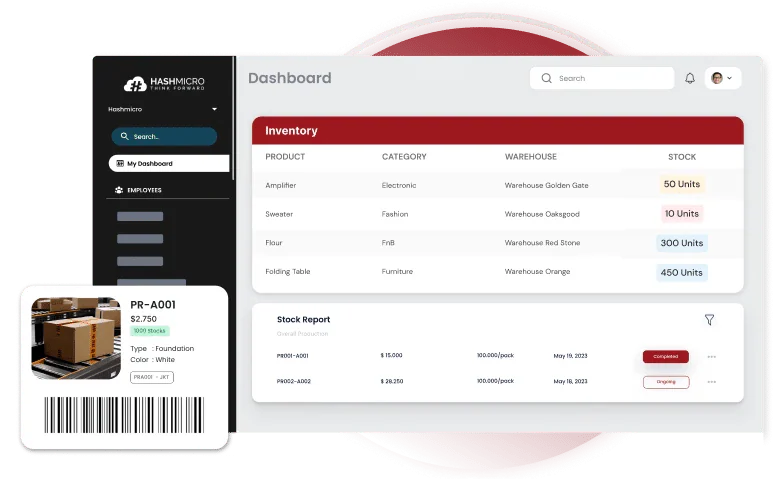
HashMicro’s Supply Chain Software is well recognized as the best supply chain system in Southeast Asia. First established in Singapore, HashMicro has a professional track record as a competent vendor. HashMicro’s SCM software is well-suited for large enterprises looking to streamline their business processes.
BanBan, Toyota, Danone, and McDonald’s are just a few of HashMicro’s clients that have grown their businesses significantly. This is because HashMicro’s SCM system provides complete visibility and advanced analytics to plan, process, and deliver goods to customers.
Furthermore, HashMicro’s SCM, integrated with ERP software, is aligned with local guidelines in Malaysia, ensuring that all reports are optimized for use in the Malaysian market.
The key features from HashMicro’s SCM software that will robust your business are:
- Inventory Management: Monitor inventory, track goods, and adjust to reduce risks and ensure smooth operations.
- Procurement Management: Get alerts when inventory hits minimum levels and automate purchase orders, keeping optimal stock.
- Shipment Management: Track couriers to ensure timely deliveries, improving customer satisfaction.
- Return Management: Streamline returns and improve customer satisfaction, fostering loyalty and trust.
- Planning and Forecasting: Predict demand and inventory needs with advanced analytics, minimizing stockouts or overstocking.
Best suit for: Large Malaysian enterprises that need full supply chain visibility, ERP integration, and compliance-ready reporting with scalable customization across operations.
| Pros | Cons |
|
|
If you are interested in learning more about how HashMicro SCM Software can be tailored to meet your business’s needs, click on the banner below to view the pricing scheme.
2. Netsuite
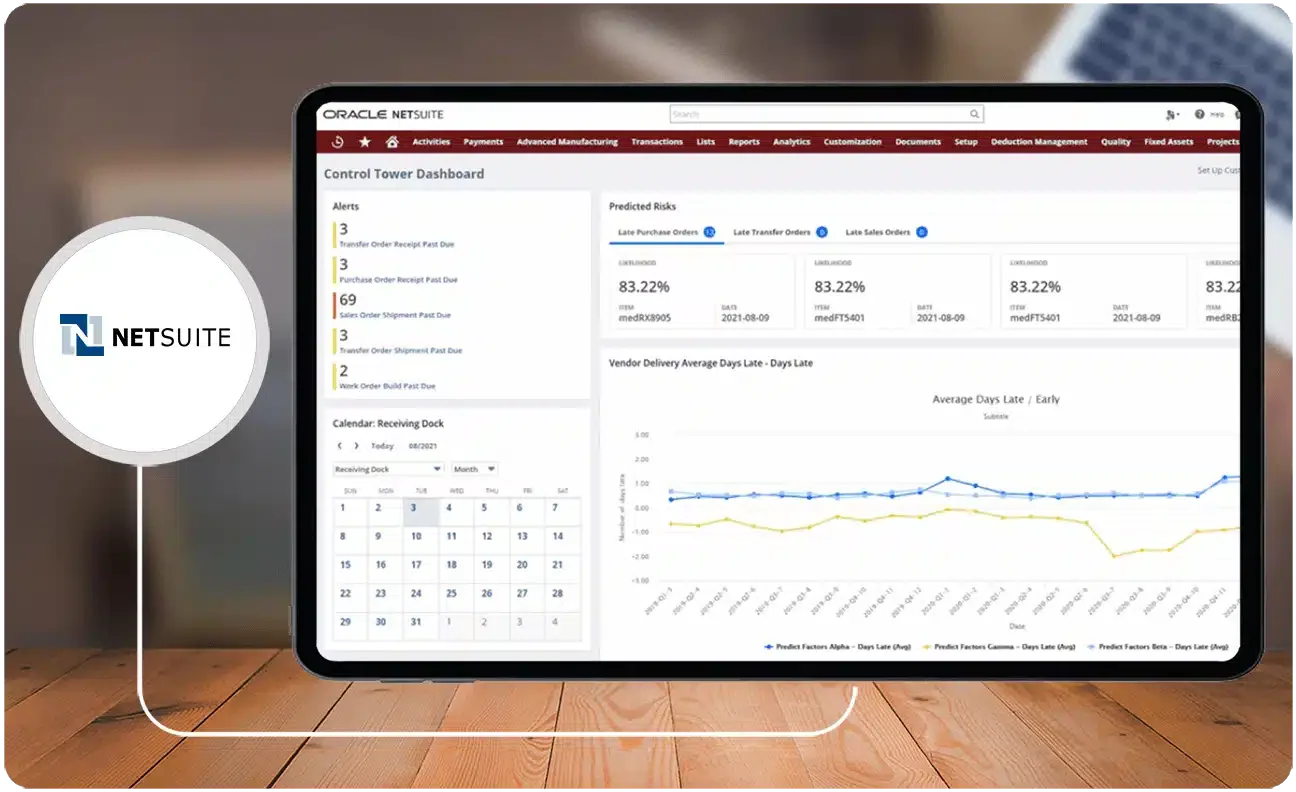
This system is a cloud-based solution designed to streamline supply chain operations across diverse industries. NetSuite stands out for its comprehensive functionality that supports real-time visibility and control over supply chain processes.
The core features of NetSuite include demand planning, procurement, and inventory management. This vendor improves customer service by ensuring timely delivery of products. It also provides detailed insights into stock levels and logistics.
Best suit for: Mid-to-large businesses looking for a cloud-based SCM with real-time visibility and strong demand planning across multiple locations.
| Pros | Cons |
|
|
3. Microsoft Dynamics 365
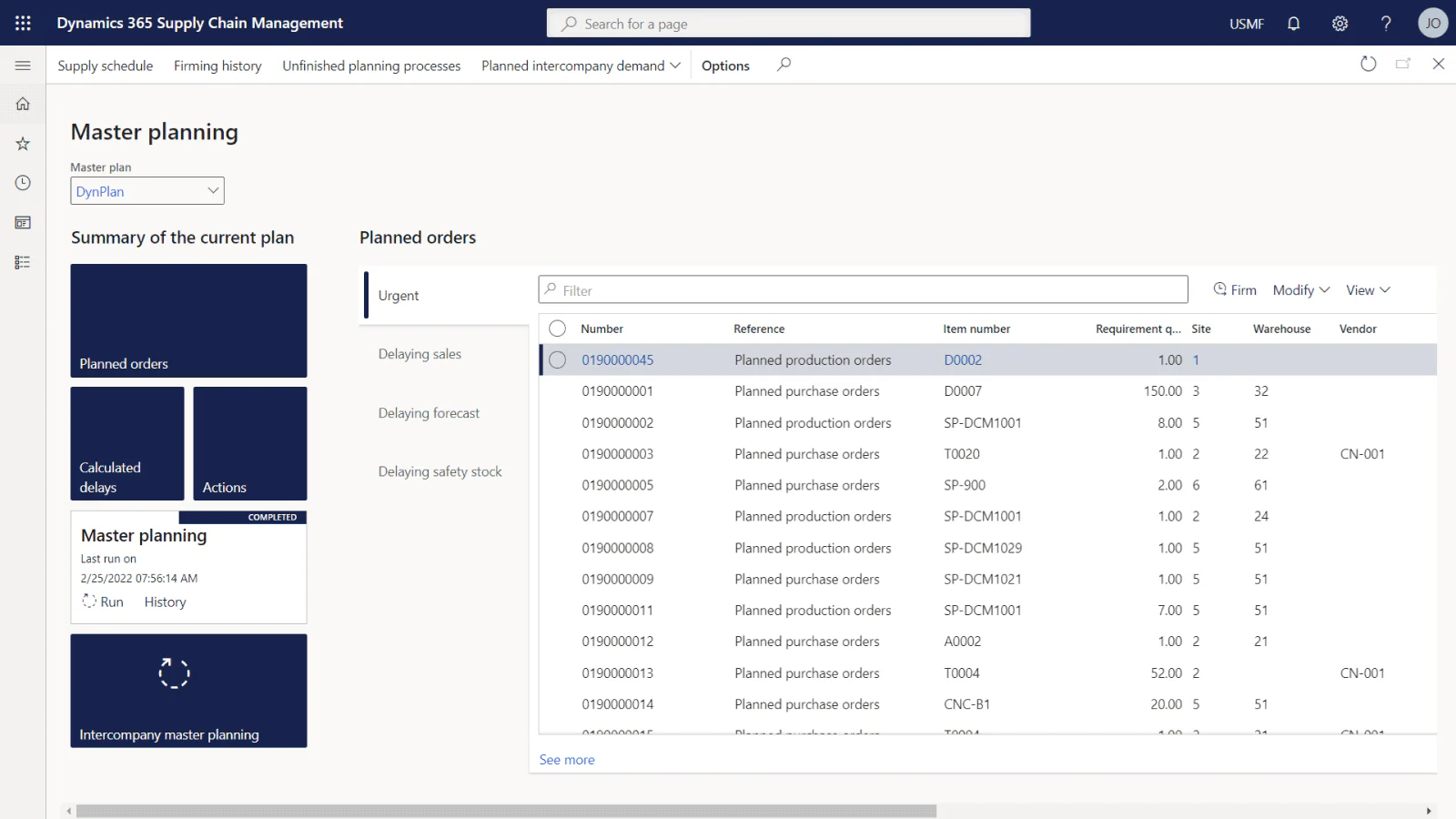
Microsoft Dynamics 365 supply chain software is an integrated solution designed to transform and streamline business supply chain operations. This platform leverages AI and data visualization to provide deep insights into every aspect of the supply chain.
Key features of Microsoft Dynamics 365 include Inventory management and optimized planning. These features help organizations achieve greater operational efficiency, enhance production planning and scheduling, and ensure product quality and compliance.
Best suit for: Companies already using Microsoft tools that want AI-driven insights and integrated supply chain planning within a unified ecosystem.
| Pros | Cons |
|
|
4. SAP
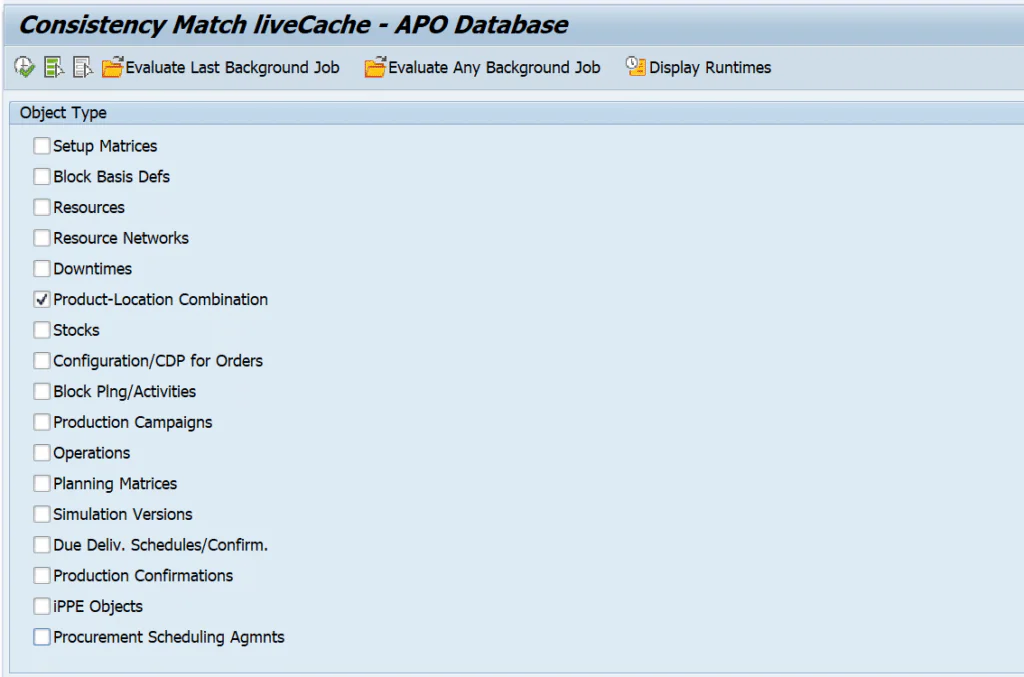
SAP SCM is a comprehensive suite designed to enhance the efficiency and visibility of supply chain processes in enterprises. Key features of SAP SCM include Advanced Planning and Optimization (APO), Warehouse Management System (WMS), and Transportation Management.
Best suit for: Large enterprises managing complex, high-volume supply chains that require advanced planning, analytics, and deep system integration.
| Pros | Cons |
|
|
5. Infor for Retail
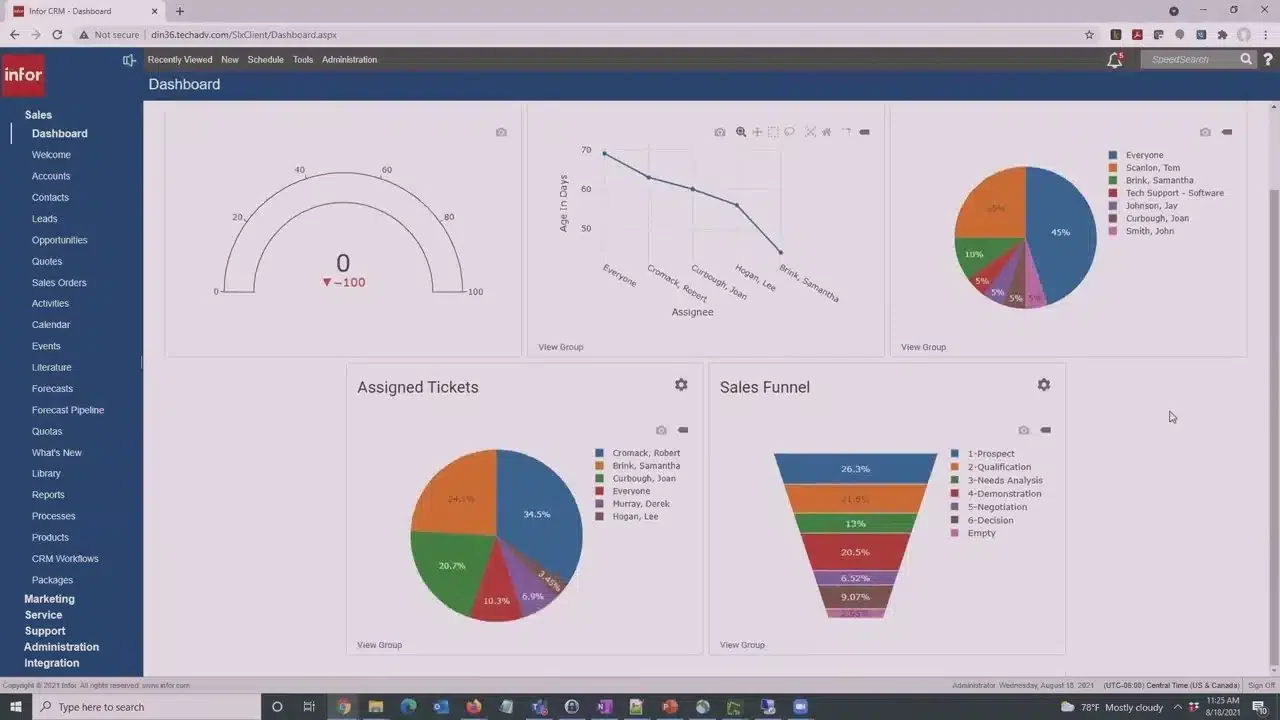
Infor’s retail-specific system integrates AI-driven insights with CRM capabilities, providing tailored solutions for retail businesses. It excels in managing complex global supply chains, offering advanced analytics and financial management tools.
However, its sophisticated features may pose challenges in implementation and maintenance, particularly for smaller businesses with limited IT resources. The system’s complexity often requires significant user training and higher costs, making it less accessible for enterprises with tight budgets.
Feature List:
- Advanced Analytics
- Global Supply Chain Management
- Industry-Specific Solutions
- Financial Management
Best suit for: Retail businesses handling complex, multi-country supply chains that need industry-specific features and advanced analytics capabilities.
| Pros | Cons |
|
|
6. Odoo Retail Solutions
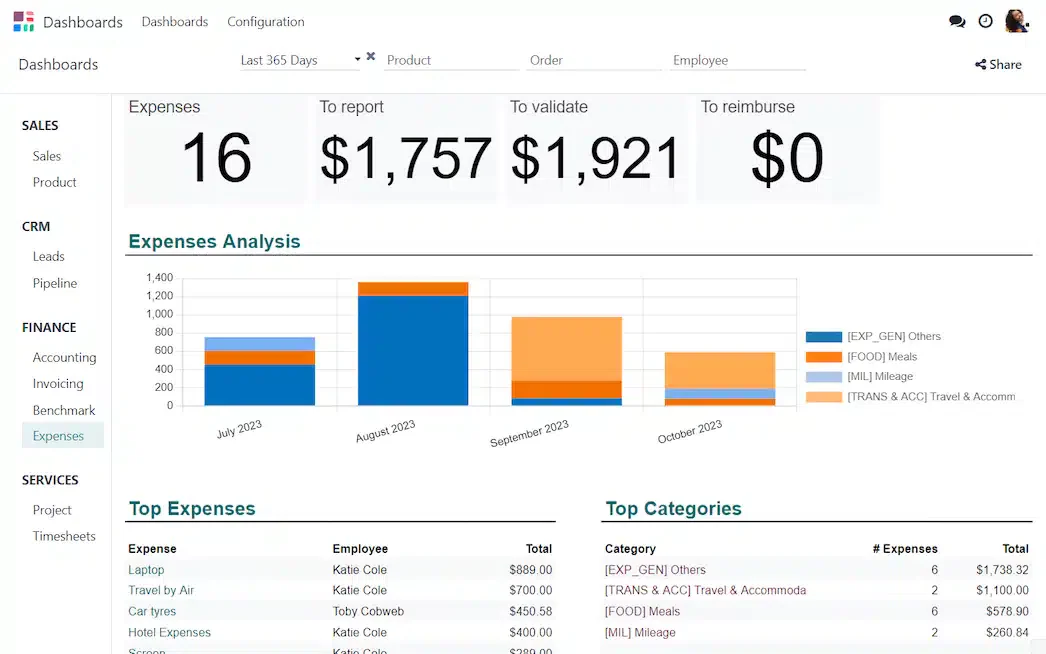
Odoo provides a flexible open-source suite, offering tools for CRM, e-commerce, inventory management, and accounting. Its modular design allows businesses to add features as they grow, though extensive customization may require technical expertise. While the basic version is free, scaling up with more features can become expensive as additional users and apps are added.
Feature List:
- CRM and e-commerce integration
- Inventory Management
- Point of Sale
Best suit for: SMEs seeking flexible and modular supply chain software that can expand gradually based on business growth and operational needs.
| Pros | Cons |
|
|
7. Sage for Retail Industry
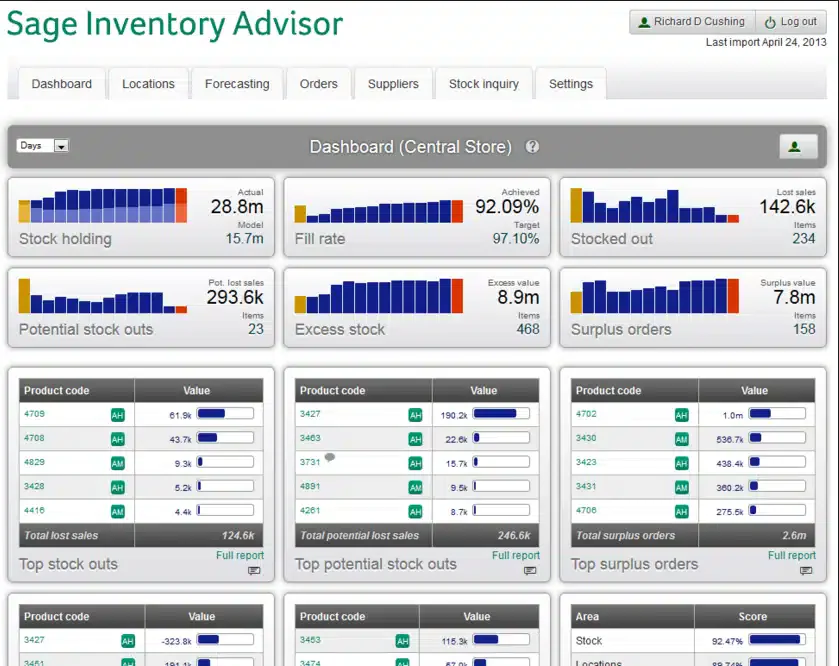
Sage provides cloud-based solutions designed to streamline processes for small and medium-sized retail businesses. It combines CRM features with tools for inventory management, order processing, and customer engagement, offering flexibility with Sage 100, 300, and X3.
Feature List:
- Inventory and order management
- Human Resources
- Accounting
- CRM and personalized customer engagement
- Real-time performance tracking
Best suit for: Small to mid-sized retail businesses that want supply chain tools combined with accounting and customer management in one platform.
| Pros | Cons |
|
|
8. Brightpearl Retail
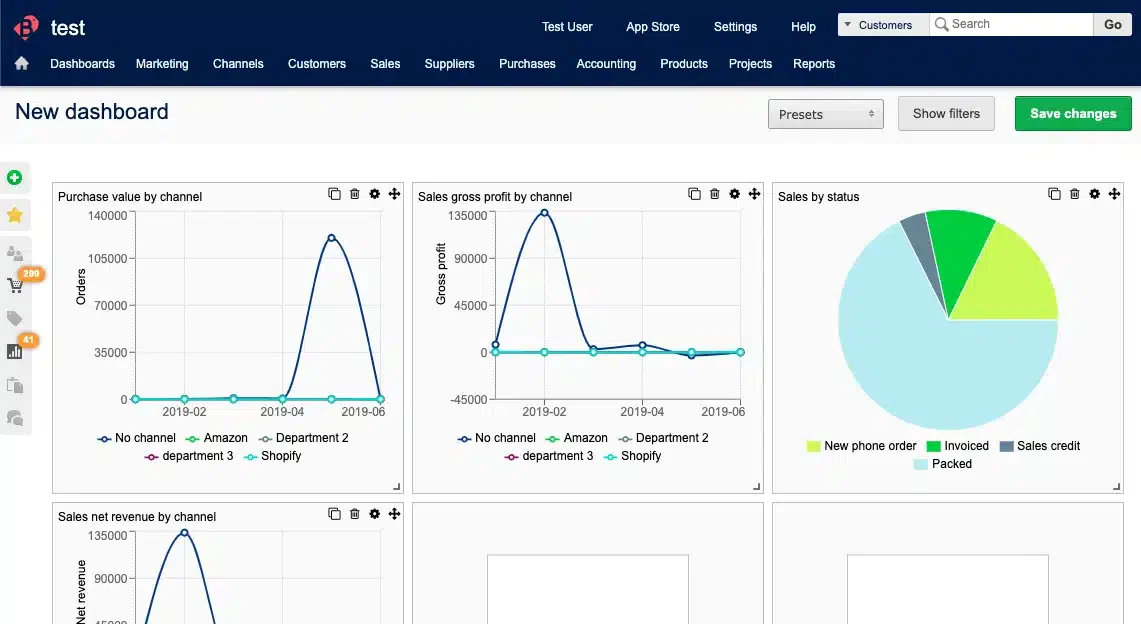
Brightpearl is a robust Retail Operations Platform designed specifically for multi-channel retailers. It combines CRM tools with powerful functionalities, covering areas like sales order management, inventory control, retail accounting, and supplier management, offering an all-in-one solution for retailers.
However, while its features are extensive, Brightpearl’s pricing and service tiers may be more suitable for larger retailers. Smaller businesses might find the costs prohibitive, and the system’s advanced features require significant training to fully leverage its potential.
Feature List:
- Sales Order Management
- Inventory Management
- Retail Accounting
- Purchasing & Supplier Management
Best suit for: Multi-channel retailers needing centralized control over inventory, orders, and supplier management across online and offline sales channels.
| Pros | Cons |
|
|
9. Shippabo
Shippabo specializes in ocean freight deliveries and offers Supply Chain Management (SCM) services that simplify the import process. Whether dealing with pre-assembled products or large raw materials for assembly, Shippabo streamlines the entire import process.
Key features:
- Real-time shipment tracking
- Inventory management system
- Warehouse management system
- Improved communication and collaboration between supply chain partners
Best suit for: Import-focused businesses managing ocean freight and international logistics that require shipment tracking and customs coordination.
| Pros | Cons |
|
|
10. Magaya
Magaya SCM is designed for logistics providers, wholesalers, and distributors. This comprehensive platform integrates various logistics and supply chain operations into one suite, helping businesses optimize efficiency and improve overall visibility across the supply chain.
Key features:
- Real-time shipment tracking
- Supply chain visibility
- Detailed tracking and reporting features
Best suit for: Logistics providers, freight forwarders, and distributors needing detailed shipment tracking and supply chain visibility tools.
| Pros | Cons |
|
|
11. Precoro
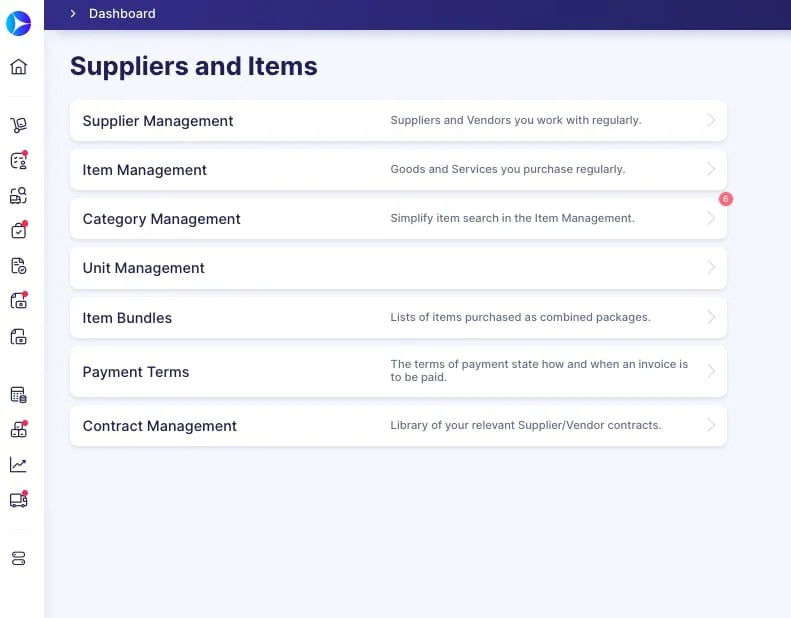
Precoro SCM offers an intuitive and user-friendly interface that streamlines procurement tasks, making them accessible to users with varying levels of technical expertise. The software offers robust spend management features while keeping the system simple and easy to use.
Key features:
- Automated purchase order creation
- Real-time budget tracking
- Spend analytics
- Reduced procurement cycles
Best suit for: SMEs focused on procurement and spend control that need simple, easy-to-use tools for purchase order and budget management.
| Pros | Cons |
|
|
12. Netstock
Netstock is a cloud-based solution designed to assist small and medium-sized businesses with demand forecasting and inventory replenishment. With tools like Netstock Predictor and Predictor PLUS, it streamlines supplier management, inventory optimization, and sales and operations planning.
Key Features of Netstock SCM:
- Demand forecasting
- Inventory health checkups
- Replenishment recommendations
- Analytics for inventory performance
Best suit for: Small to mid-sized businesses prioritizing demand forecasting and inventory optimization without needing a full-scale SCM system.
| Pros | Cons |
|
|
Overall Comparison of the Best Retail Supply Chain Software for Retailers
| Provider | Connection Quality | Bank Coverage | Ease of Integration | Data Enrichment |
|---|---|---|---|---|
| HashMicro | ||||
| NetSuite | ||||
| Sage |
Selecting the Ideal SCM Software for Your Malaysian Business
With Malaysia’s highly competitive market, finding the right SCM solution for your business can be challenging. This guide simplifies the process by offering practical tips and considerations for choosing the best supply chain management software tailored to your needs.
- Assess your business requirements: Start by evaluating your company’s size, supply chain complexity, and specific challenges. This will help identify an SCM solution that aligns with your operational needs and addresses your business pain points effectively.
- Examine key features: An ideal SCM system should offer essential features like real-time tracking, inventory optimization, and demand forecasting. Ensure it integrates seamlessly with your current tools and provides robust analytics to enhance operational efficiency.
- Ensure scalability and support: Choose a system that meets your current business needs and can grow with you. Verify its scalability and check that the provider offers strong customer support for smooth upgrades and future expansions.
Which Retail Supply Chain Software Suite My Busieness?
Choosing the right supply chain software depends on your business size, operational complexity, and how you manage inventory, procurement, and logistics. To simplify the decision, the matrix below maps common business scenarios to the most suitable SCM solutions.
| Business Scenario | Recommended Software | Why It Fits |
|---|---|---|
SME with limited budget needing basic inventory and forecasting tools |
Netstock or Odoo | Netstock focuses on demand planning and inventory optimization, while Odoo offers modular features that can grow with your business. |
Small business focusing on procurement and cost control |
Precoro | Provides simple purchase order automation, spend tracking, and easy integration with accounting tools for better financial control. |
Growing Malaysian business needing integrated supply chain and local compliance |
HashMicro | Offers end-to-end SCM with ERP integration, SST-ready reporting, and strong local MY support for scaling operations. |
Retail business managing multi-channel sales and supplier operations |
Brightpearl or Infor Retail | Brightpearl supports omnichannel retail operations, while Infor offers industry-specific tools for complex retail supply chains. |
Mid-to-large company needing cloud-based SCM with real-time visibility |
NetSuite | Delivers real-time data, demand planning, and scalability across multiple locations and business units. |
Company using Microsoft ecosystem needing AI-driven planning and analytics |
Microsoft Dynamics 365 | Integrates supply chain operations with Microsoft tools while providing AI insights and data visualization. |
Large enterprise requiring advanced planning and deep system integration |
SAP SCM | Supports complex supply chain processes with advanced analytics and strong ERP integration. |
Logistics provider or freight forwarder managing shipments and warehouses |
Magaya or Shippabo | Magaya offers full logistics suite, while Shippabo focuses on ocean freight and import process visibility. |
Retail or distribution business needing accounting and supply chain in one system |
Sage | Combines inventory, order management, CRM, and accounting in a single platform. |
Enterprise handling complex global supply chains with advanced analytics |
Infor Retail or SAP SCM | Both provide powerful analytics and global supply chain capabilities for high-volume operations. |
Business needing flexible and customizable supply chain system |
Odoo or HashMicro | Odoo offers modular customization, while HashMicro provides tailored ERP-based SCM with scalability. |
SME focusing on demand forecasting and inventory optimization |
Netstock | Specialized in inventory planning and forecasting without the complexity of full ERP systems. |
Consult reviews and recommendations
Seek feedback from similar businesses in Malaysia and consider reaching out to industry peers. Their insights can guide you in choosing an SCM solution with a proven track record in similar business environments.
Conclusion
In this article, we discussed the significance of retail supply chain software in boosting efficiency, optimizing inventory, and enhancing customer satisfaction. Key features like real-time tracking and demand forecasting were highlighted as essential for streamlining operations in the retail sector.
HashMicro’s flexible platform includes essential capabilities such as real-time inventory tracking, supplier management, and automated procurement, features commonly expected from the best SCM software.
If you’re ready to improve your retail operations, book a free demo today to experience HashMicro’s retail supply chain software. Our team is here to help you implement a solution that suits your business needs and drives growth.
FAQ About Retail Supply Chain Software
What is the difference between retail supply chain software and traditional inventory management systems?
Retail supply chain software goes beyond inventory management by providing a comprehensive solution that includes real-time tracking, demand forecasting, supplier management, and integration with various business systems. Traditional inventory management systems usually focus more on tracking and managing stock.
How can retail supply chain software improve customer satisfaction?
By optimizing inventory management and ensuring timely deliveries, retail supply chain software helps meet customer demands more accurately and promptly. This reduces delays, stockouts, and enhances the overall customer experience.
Can retail supply chain software integrate with my existing systems?
Yes, retail supply chain software like HashMicro is designed for easy integration with your existing systems, ensuring that all your business processes work together seamlessly for maximum efficiency.