














There has never been a bigger need for smarter and more practical software for palm estate operations, especially in Malaysia. You manage wide estates, tight harvest windows, worker movement across blocks, and quality targets that do not give you much space for guesswork. When your data sits in scattered notebooks and spreadsheets, small errors quickly turn into slow logistics, late collections, and inconsistent crude palm oil quality.
More estates now move to digital plantation systems because they help you run field work, harvest schedules, worker tracking, and reporting with less chaos. Instead of chasing updates across divisions, you work from one source of truth that supports consistent monitoring and better decisions.
This article will walk you through the best recommendations for plantation management software in Malaysia and the key characteristics you should look for when choosing a solution.
Key Takeaways
Oil palm plantation management software helps businesses manage field operations, track yields, control costs, and ensure compliance for more efficient plantation management.
Oil palm plantation software benefits improve operational efficiency, enhance real-time visibility, control costs, boost workforce productivity, and optimize yield management.
Evaluate plantation software based on real operational challenges to reduce reporting errors, prevent missed tasks, and maintain accurate, audit-ready data.
Top Pick of Oil Palm Plantation Management Software in Malaysia
Choosing the right oil palm plantation software can be challenging, here’s top 5 best solutions in Malaysia to help you decide. Each option is selected based on features, usability, and its ability to support efficient plantation operations.
 HashMicro
 Trimble
Best Because
Best for large estates requiring high-precision GIS mapping and autonomous fleet management.
 FarmERP
Best Because
Best for industrial-scale plantations needing end-to-end digital supply chain and mill integration.
 Conservis
Best Because
Best for plantation owners focusing on linking field operations with detailed financial profitability.
 FarmBrite
Best Because
Best for mid-sized estates seeking a simple platform for tracking inventory and maintenance.
What is Oil Palm Plantation Management Software
Oil palm plantation management software refers to digital tools designed to help you manage and optimize daily plantation operations, from worker scheduling and field execution to yield tracking, cost control, and sustainability compliance.
You can treat it as a central platform that helps you digitise, organise, and monitor routine tasks such as:
- Land preparation and planting planning
- Fertiliser application and crop care scheduling
- Harvest forecasting and actual yield tracking
- Workforce management and attendance
- Inventory, logistics, and transport monitoring
- Cost and financial tracking by block or division
- Sustainability reporting and audit readiness
Malaysia runs a labour intensive palm oil industry, often across thousands of hectares under one estate. When you rely on manual reporting, delays and data gaps show up fast. With the right system, you cut admin clutter, tighten control at block level, and keep operations moving even when the estate gets busy.
Benefits of Using Oil Palm Plantation Software
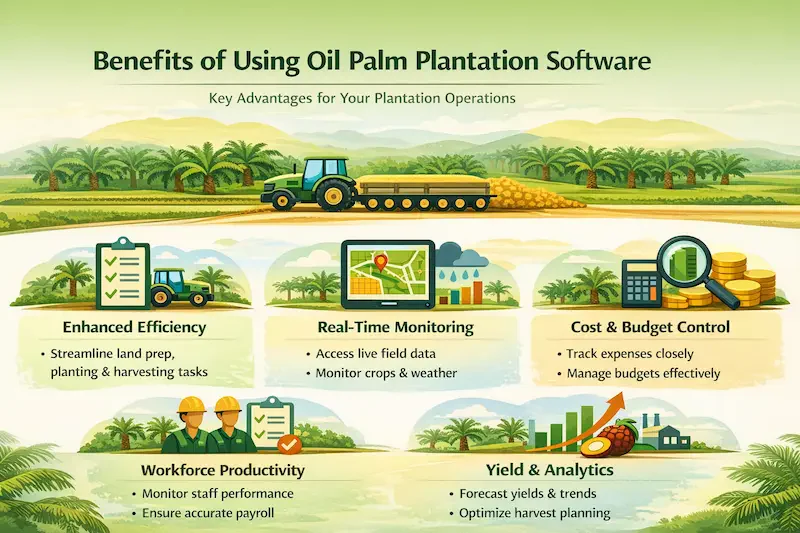
Here are the key benefits you can expect from a plantation operations system.
Improved operational efficiency
Plantation work like land clearing, planting, fertilizing, and harvesting becomes easier to organize when you run it from one platform. You assign tasks clearly, track progress by block, and reduce delays caused by paperwork and repeated follow ups.
Real time data and monitoring
You can access updated field data from anywhere, including harvest volumes, crop conditions, rainfall notes, and daily activities. That makes it easier to act fast when something slips, such as late collection, low output in a block, or a manpower issue.
Cost tracking and budget control
You can track expenses by activity, division, or block so you spot leaks early. This helps you analyse labour, inputs, and logistics costs, and reduce unnecessary spending for daily needs.
Workforce productivity monitoring
You can monitor attendance, productivity, and task completion digitally. This reduces fraud, keeps payroll cleaner, and helps you identify which blocks or teams need support before output drops.
Yield forecasting and performance analytics
You can estimate future yields and analyse patterns using past performance and current inputs. This helps you plan transport, coordinate with mills, and improve decisions around staffing and harvest cycles.
Best Oil Palm Management Software
Plantation operations become easier to plan, monitor, and evaluate when you choose tools that match your workflow. Here are software options that can be worth considering in Malaysia.
1. HashMicro oil palm plantation management software
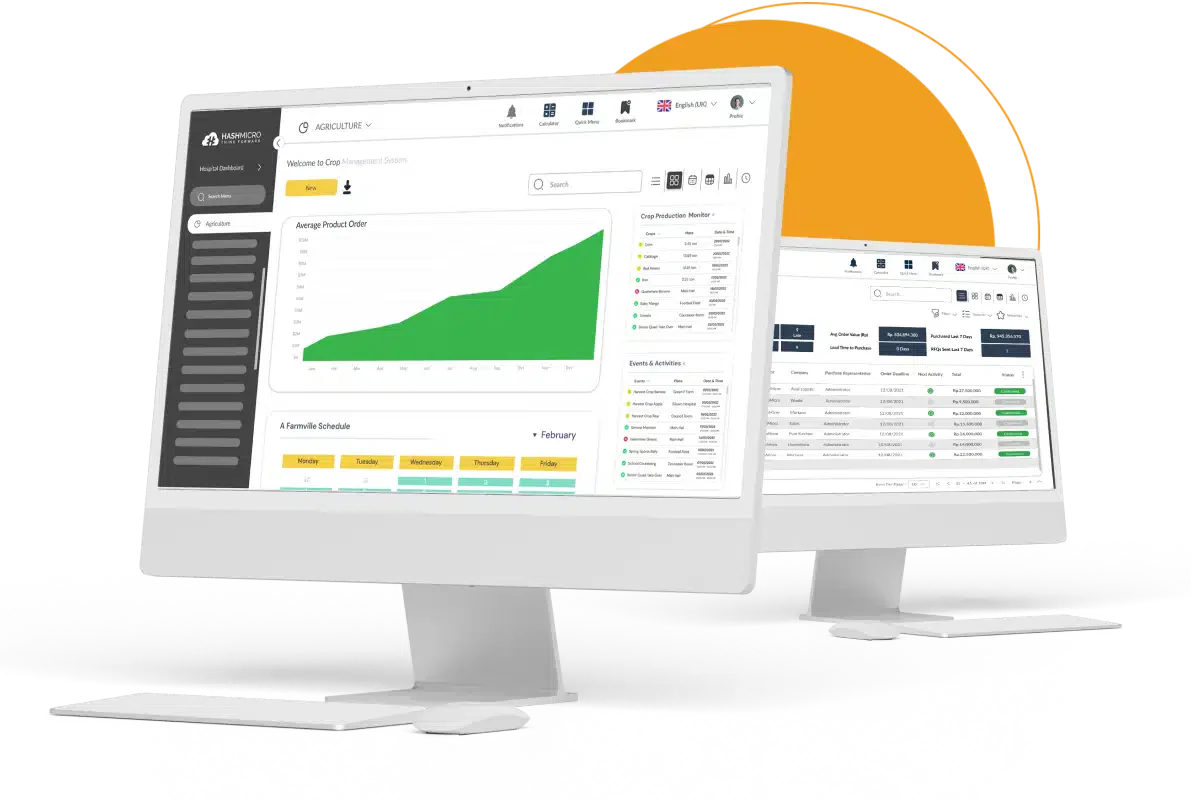
If you manage multiple divisions and you want fewer reporting gaps between field and office, this option gives you one workflow to organize daily execution and admin follow up. It also helps when you want clearer block level visibility without forcing your supervisors to juggle too many files.
Key features include:
- Work planning for land preparation, planting, and upkeep activities
- Scheduling support for fertilization, harvesting, and transport coordination
- Attendance and productivity tracking for field teams across blocks
- Reporting dashboards to review progress by estate and division
| Pros | Cons |
|---|---|
|
|
Click the banner below to view the estimated cost and find out more about how HashMicro oil palm management software may enhance the operations of your plantation.
2. Trimble
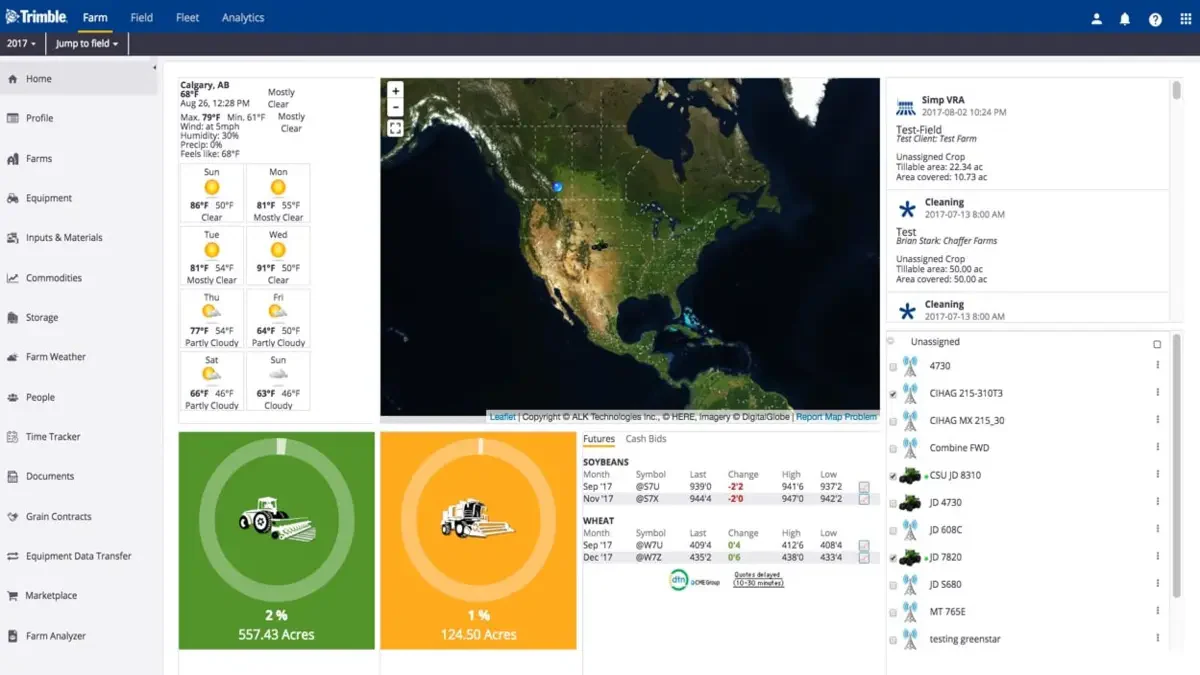
Trimble often fits when you run disciplined documentation and you want structured planning, especially if mapping and standard work orders play a big role in your daily control.
Here are the key features of Trimble oil palm plantation management software:
- Farm management workspace for planning and oversight
- Task documentation to keep records consistent
- Work order management for clearer execution
| Pros | Cons |
|---|---|
|
|
3. AgSquared
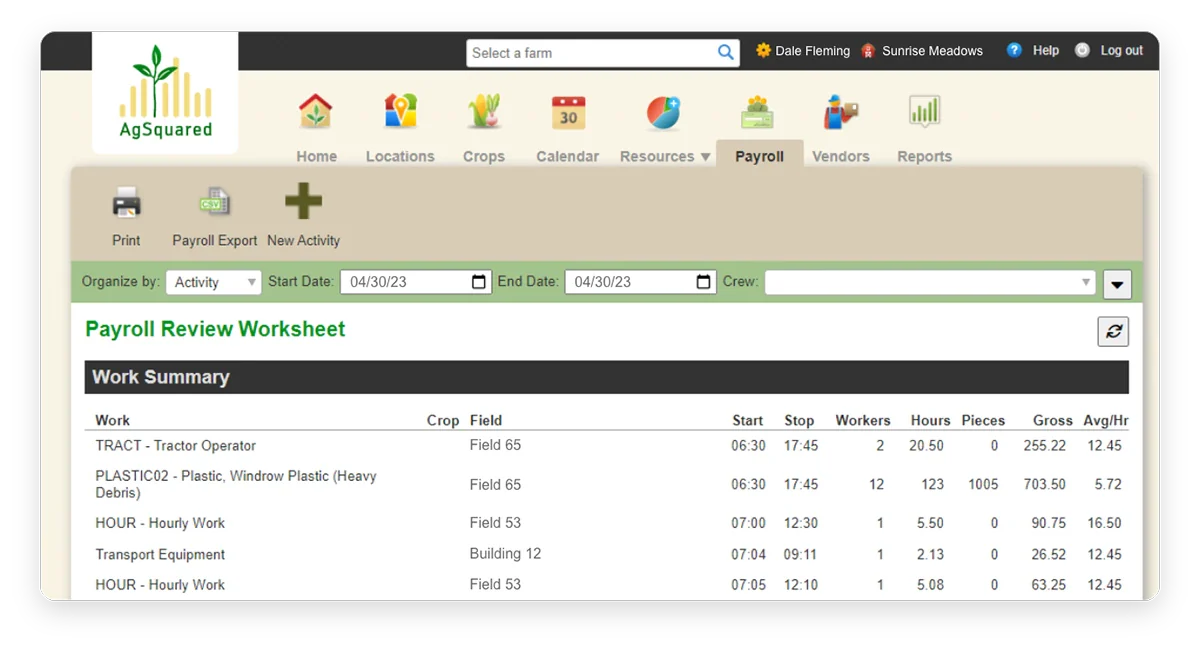
AgSquared often fits small to mid sized operations that want planning, task tracking, and team coordination without building a complex system from scratch.
Key features include:
- Crop planning for seasonal scheduling
- Task management for field activities and assignments
- Labour tracking for time and output records
- Recordkeeping to review what happened per field
| Pros | Cons |
|---|---|
|
|
4. Tend
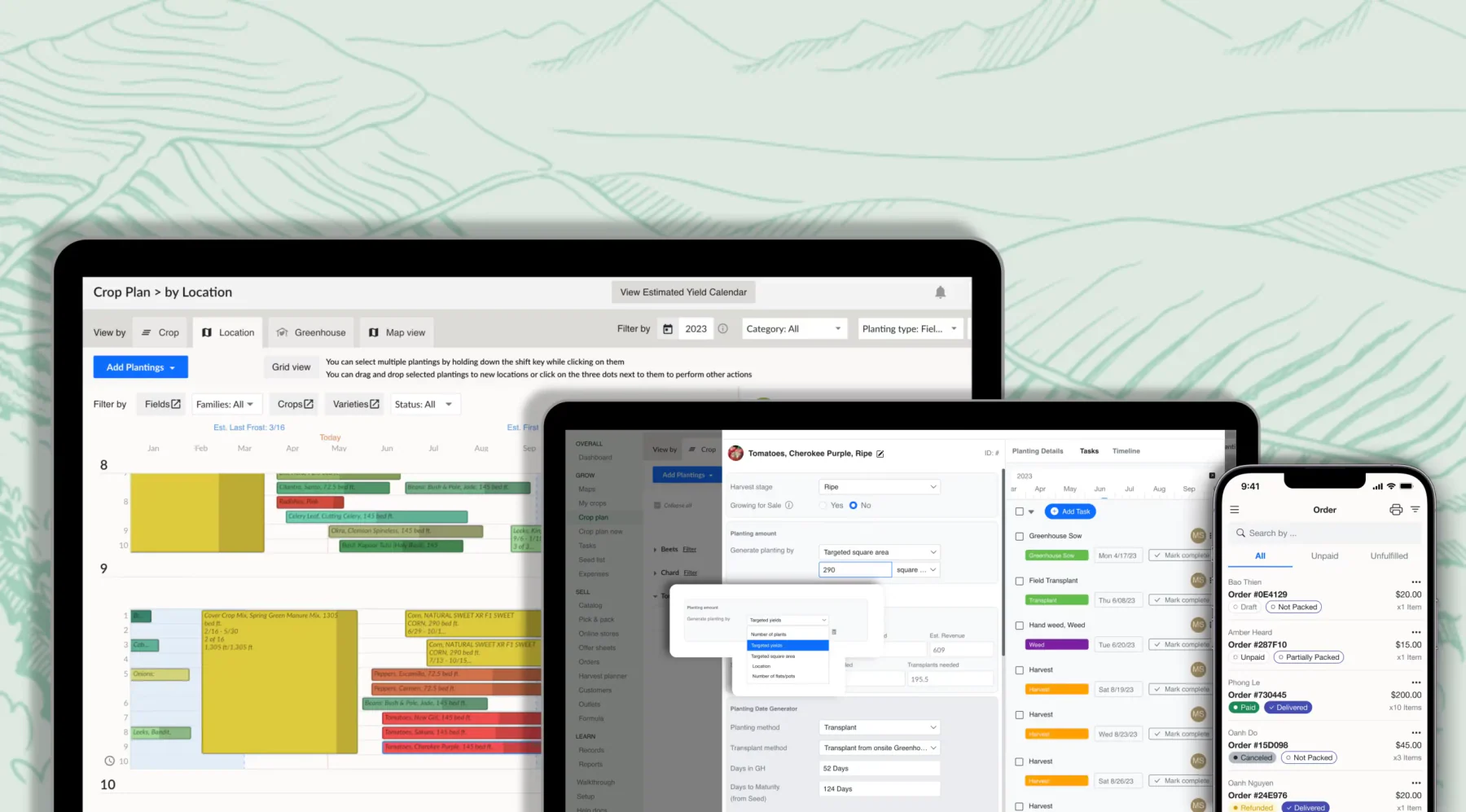
Tend focuses on simple planning and recordkeeping. If you want a straightforward workflow for daily logging, this one feels easier to adopt for smaller teams.
Key features include:
- Crop planning and seasonal organisation
- Task management to track daily execution
- Recordkeeping for traceability style needs
- Basic reporting to summarise activities
| Pros | Cons |
|---|---|
|
|
5. FarmERP
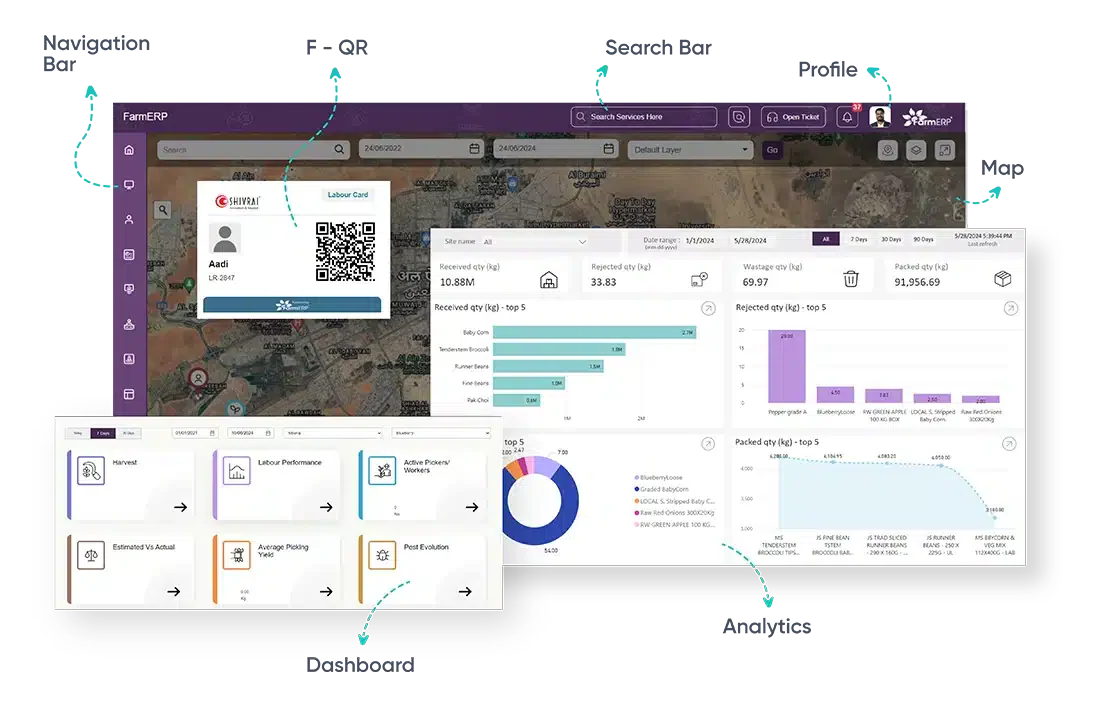
FarmERP targets agribusiness operations that want modular tools and integration options, especially when you manage purchasing and approvals across multiple teams.
Key features include:
- Procurement workflows for inputs and supplies
- Mobile support for field updates and approvals
- Integration options including connected devices
- Planning and reporting modules for oversight
| Pros | Cons |
|---|---|
|
|
6. Conservis
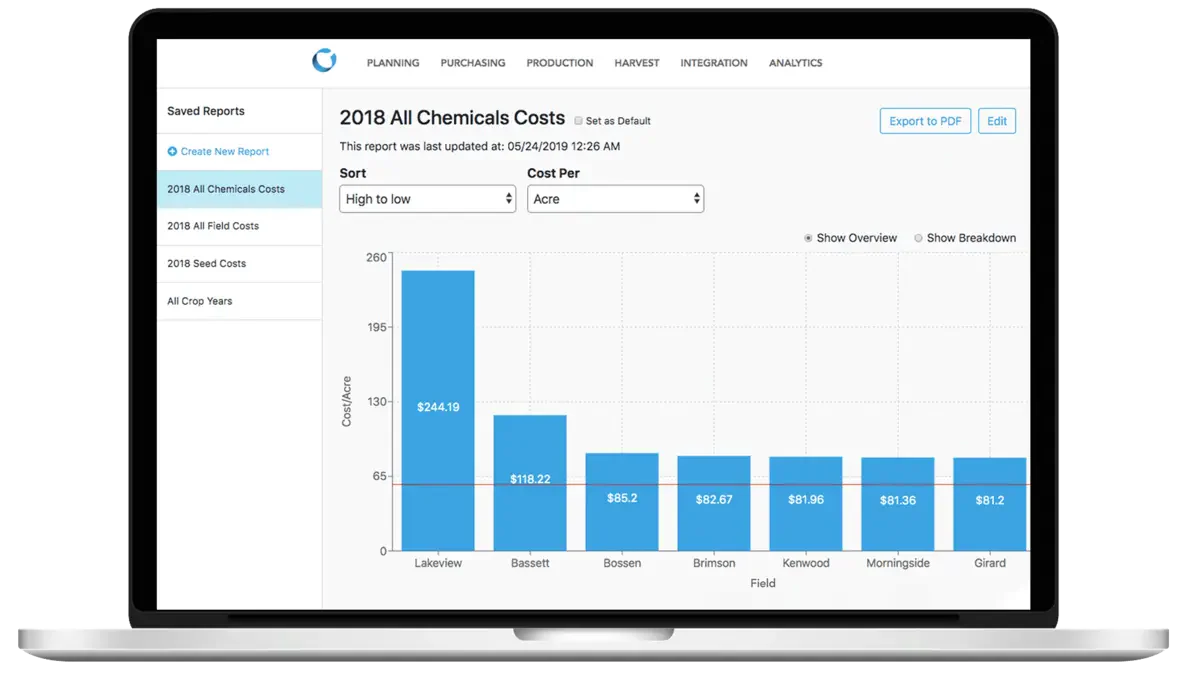
Conservis focuses on analytics and reporting. If you care most about management review, you can use it to consolidate performance data and export it cleanly.
Key features include:
- Inventory tracking for inputs and movements
- Equipment integration options for operations data
- Reporting and analytics dashboards
- Financial visibility for operational review
| Pros | Cons |
|---|---|
|
|
7. FarmBrite
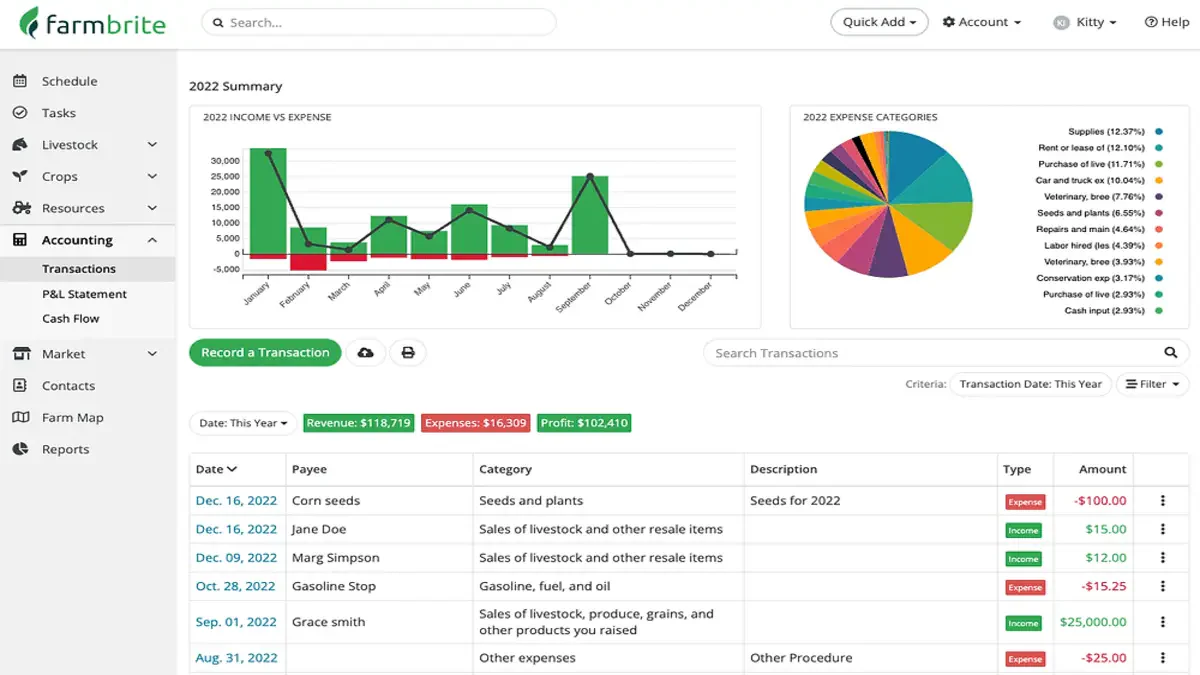
FarmBrite combines tasks, records, and inventory for day to day oversight. It works best when you want a general system that stays simple enough for routine use.
Key features include:
- Crop records and activity logs
- Task management for planning and execution
- Inventory management for inputs and supplies
- Reporting for performance review over time
| Pros | Cons |
|---|---|
|
|
8. CropTracker
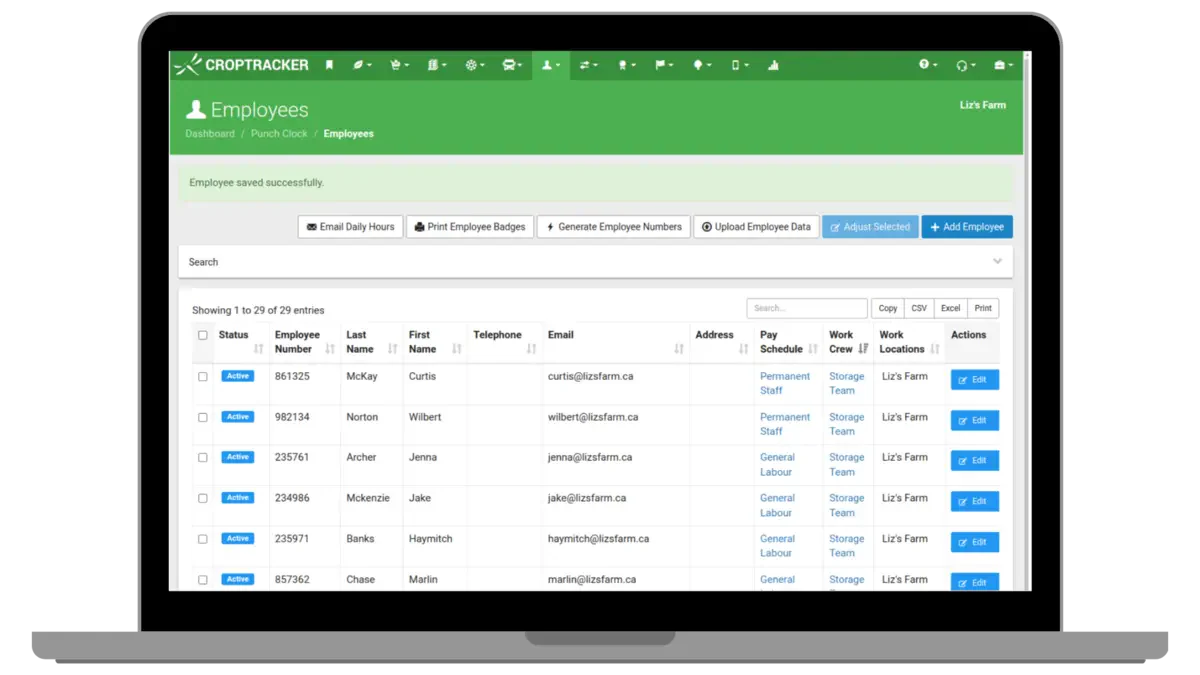
CropTracker leans toward traceability and quality records. If you face frequent documentation requests, it supports more structured harvest and storage tracking.
Key features include:
- Storage records to track inventory movement
- Quality control tools for compliance reporting
- Harvest packing and recording workflows
- Real time reporting for harvest updates
| Pros | Cons |
|---|---|
|
|
9. Agrivi
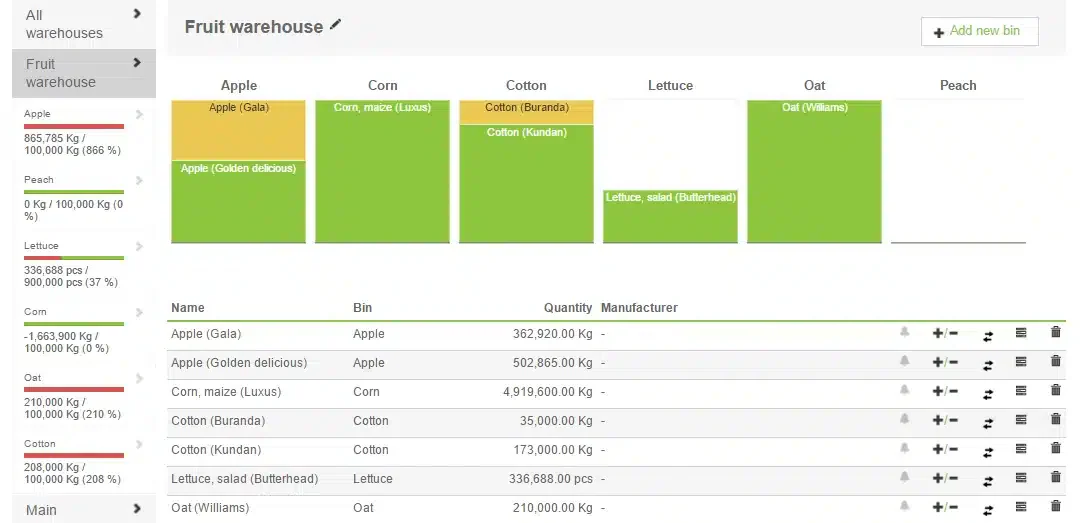
Agrivi offers detailed tracking with analytics. If you want deeper monitoring for activities, pests, and output patterns, it can support that style of management.
Key features include:
- Farm management workspace for planning and logs
- Field activity tracking by plot or field
- Pest and disease monitoring support
- Performance analytics and reporting
| Pros | Cons |
|---|---|
|
|
10. EasyFarm
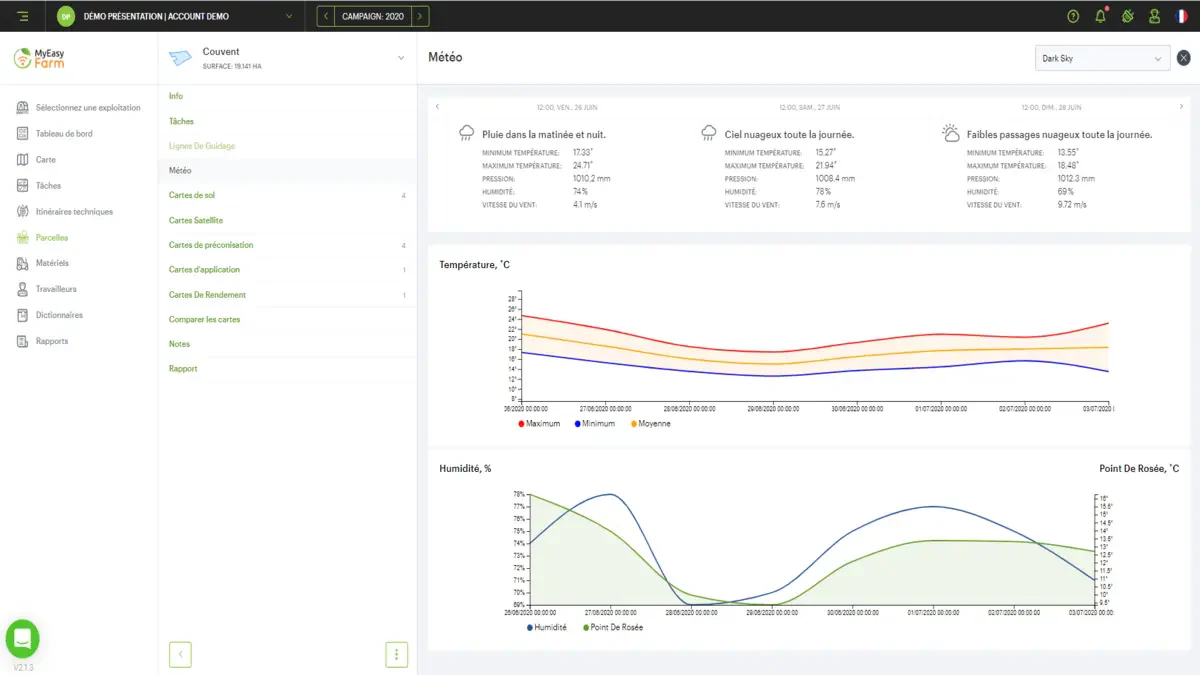
EasyFarm focuses more on finance structure than field execution. It fits when your biggest gap is cost centre control and clear accounting output.
Key features include:
- Chart of accounts setup
- Cost centre tracking for spending control
- Bank integration for finance flow
- Reporting for financial visibility
| Pros | Cons |
|---|---|
|
|
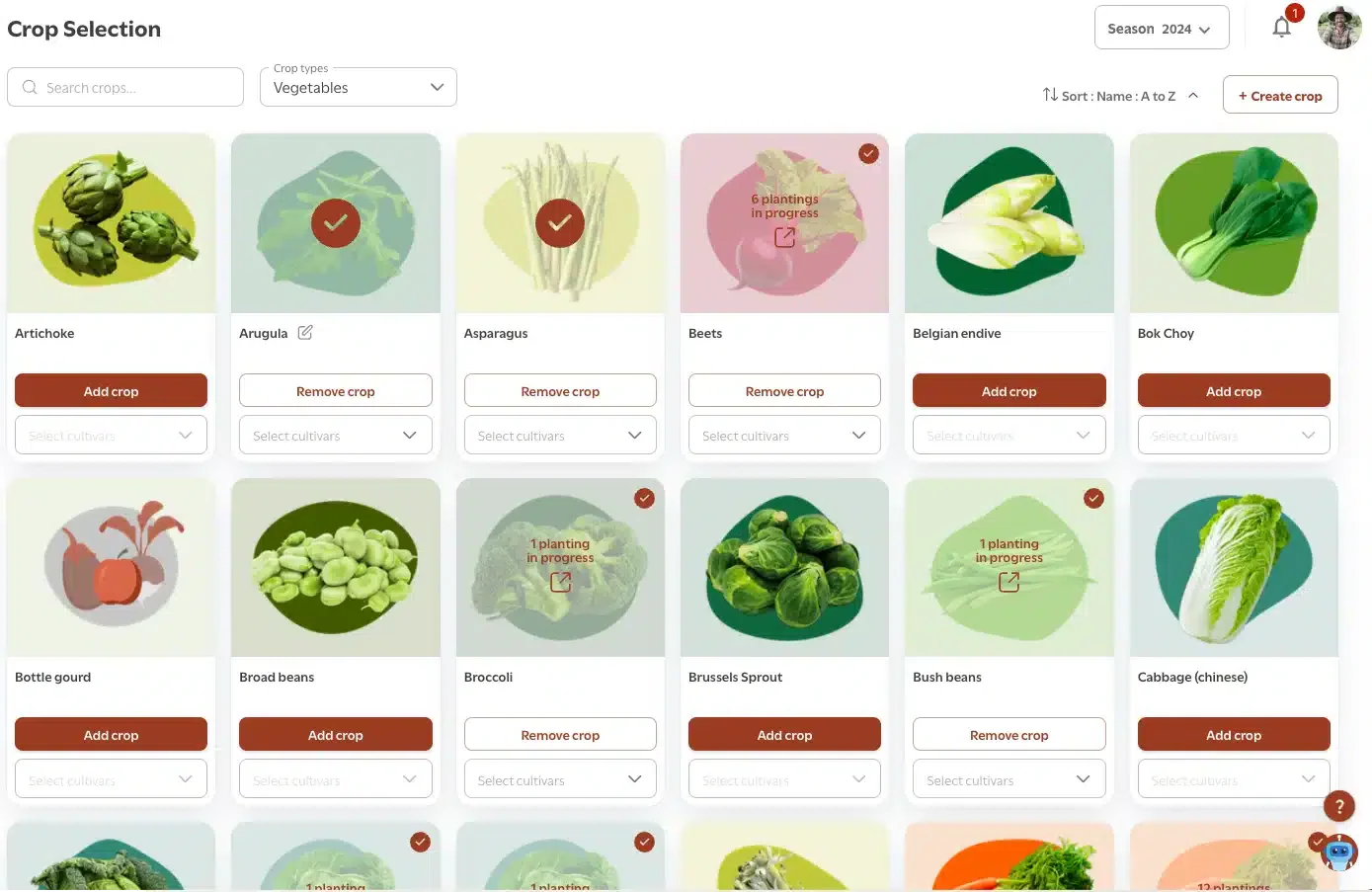
Heirloom targets smaller scale and certification minded operations with simple field tracking. If you need tidy logs and mapping, it can be a practical fit.
Key features include:
- Field activity tracking and logs
- Certification documentation support
- Crop and field mapping tools
- Basic reporting for reviews and checks
| Pros | Cons |
|---|---|
|
|
12. Local Line
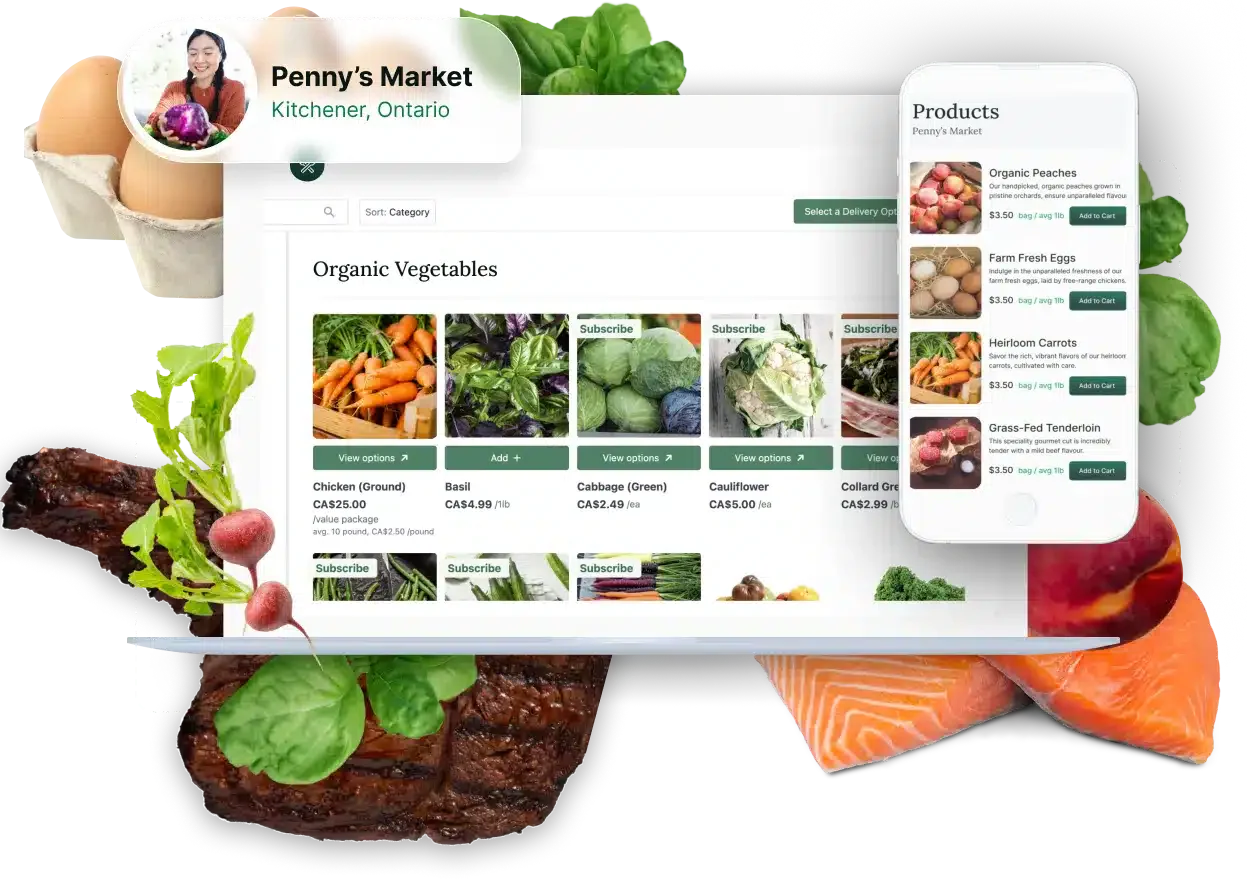
Local Line focuses on sales and order management rather than full plantation operations. It helps when your main focus is selling and delivery workflows.
Key features include:
Online storefront tools
Inventory and product management
Order and delivery management
Customer and sales tracking
| Pros | Cons |
|---|---|
|
|
13. QuickBooks with Farm Add-ons
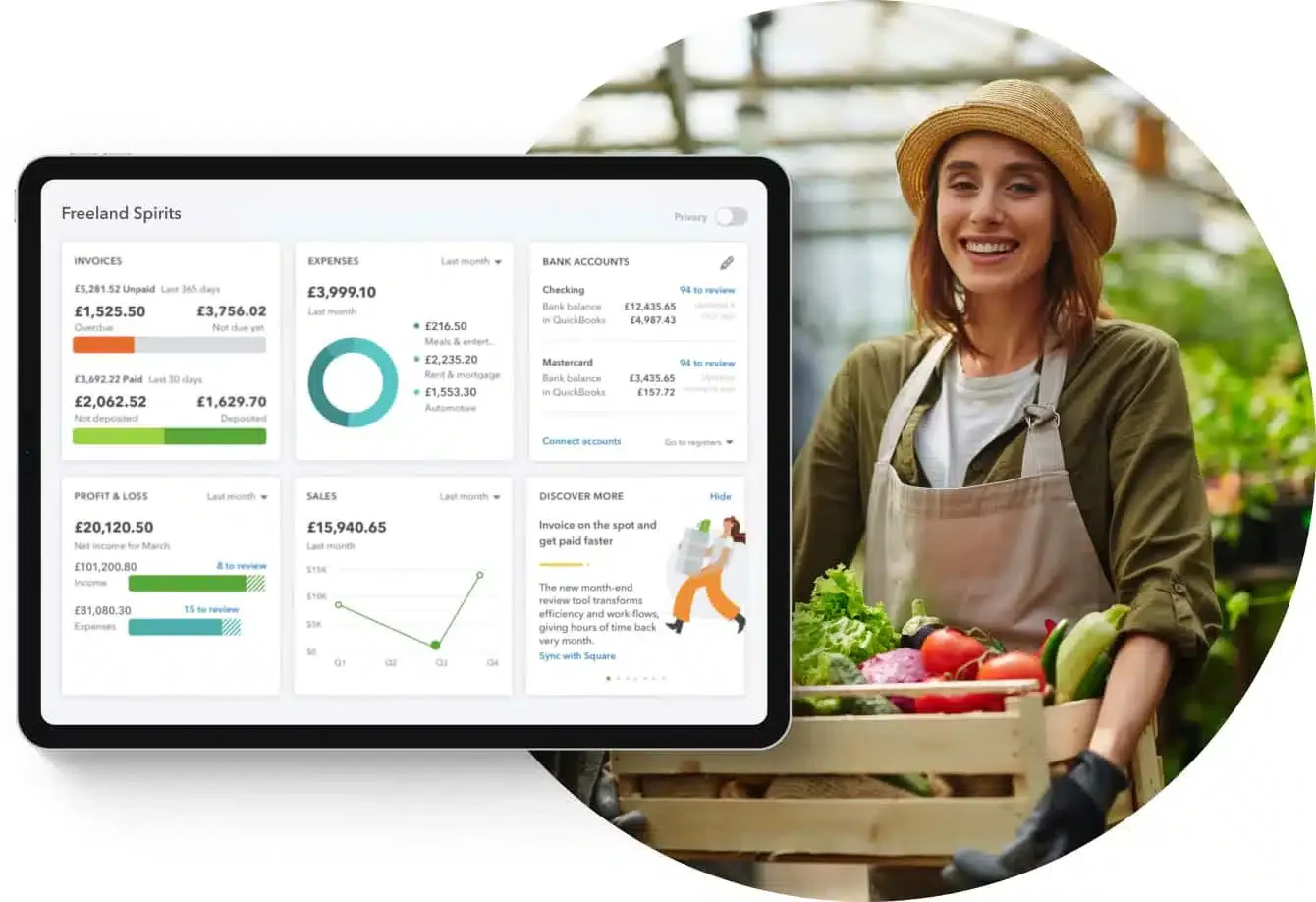
QuickBooks is an accounting platform many businesses adapt for finance and payroll reporting. If your priority is clean books and financial controls, it supports that layer well.
Key features include:
- Financial management and bookkeeping
- Custom chart of accounts for farm categories
- Payroll and expense tracking
- Cloud reporting access
| Pros | Cons |
|---|---|
|
|
14. Ambrook
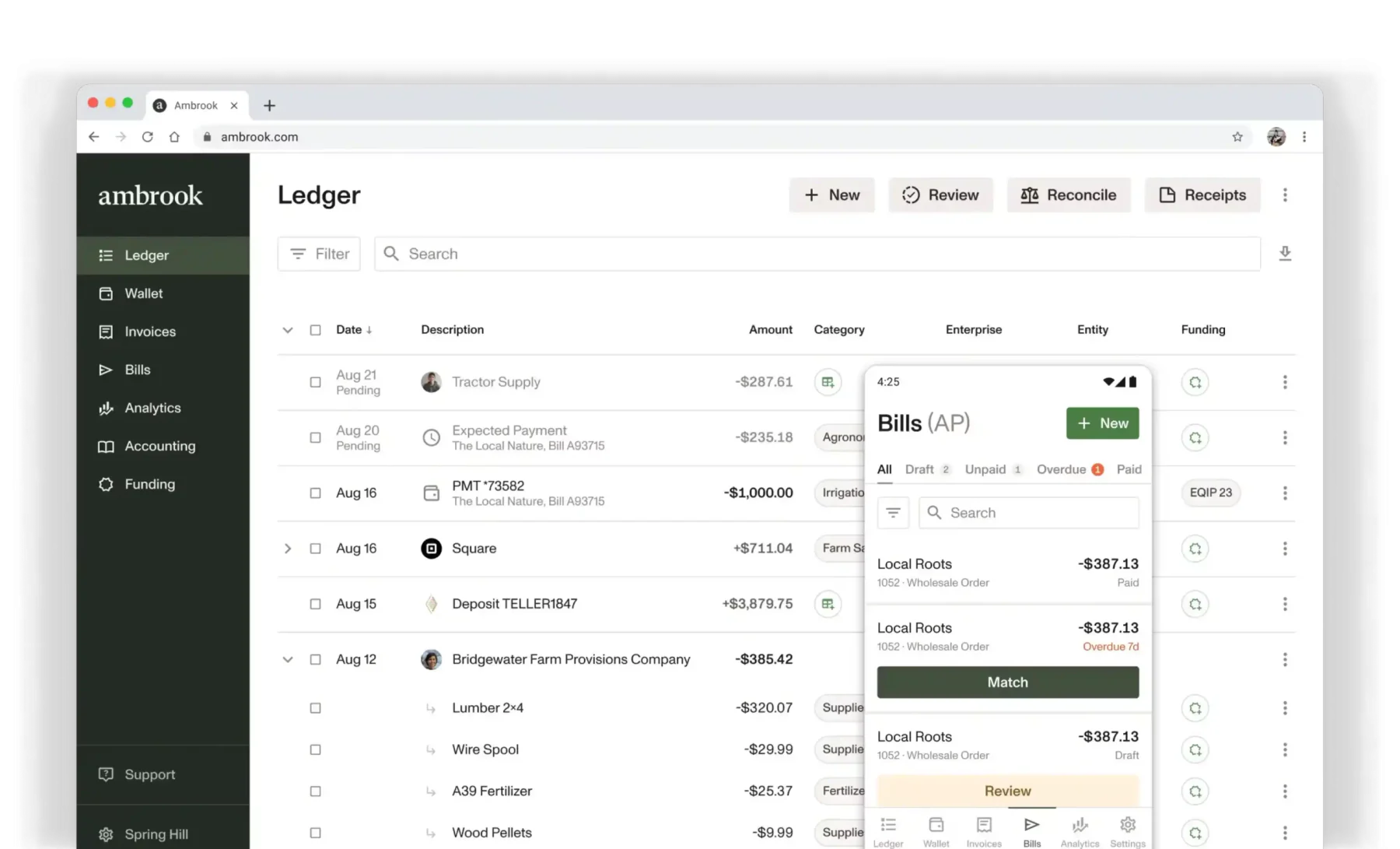
Ambrook focuses on finance tracking and collaboration. It fits when you want a clearer view of spending and smoother coordination around approvals.
Key features include:
- Expense tracking and categorisation
- Custom chart of accounts
- Mobile friendly logging
- Collaboration for shared review
| Pros | Cons |
|---|---|
|
|
15. FarmRaise
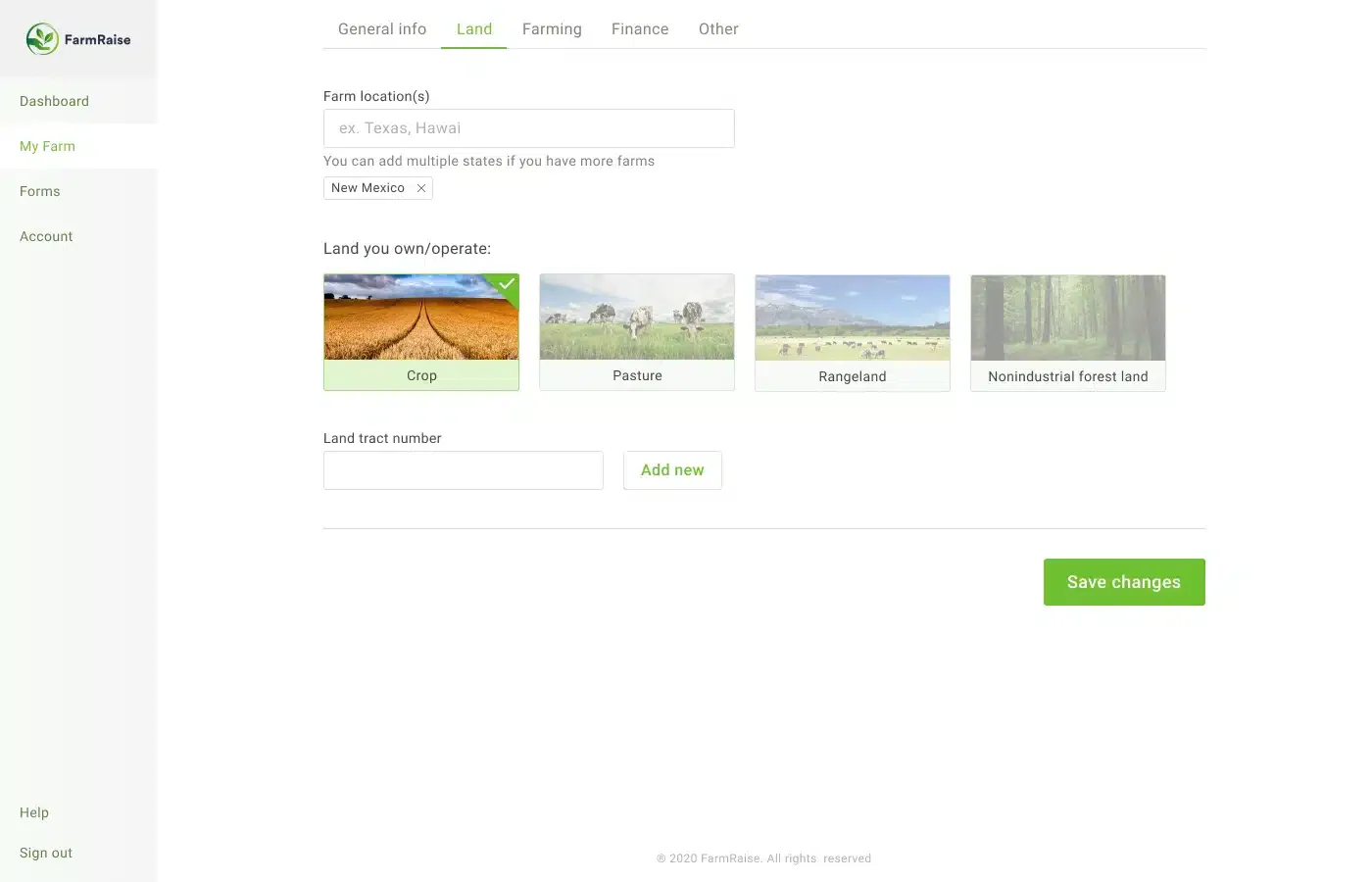
FarmRaise focuses on budgeting and planning. If you want finance focused tools for goals and reporting, it supports that approach.
Key features include:
- Mobile tracking tools for spending and notes
- Custom financial reports
- Goal setting and planning tools
- Budgeting support for decision making
| Pros | Cons |
|---|---|
|
|
How to Choose the Right Software for Your Oil Palm Plantation

Choosing plantation software can change how smoothly your estate runs, so evaluate it based on real daily pressure, not only feature lists. You want fewer reporting disputes, fewer missed tasks, and cleaner data when someone asks for proof.
Assess your plantation needs and scale
Start with questions that reflect how you operate.
- Do you run a large estate or support smallholders
Some tools fit cooperatives and smaller farms, while others handle multi estate organizations with many divisions. - How mechanized is your workflow
Pick a system that matches your reality and still supports growth and integration.
In Malaysia, connectivity can drop in remote blocks. So ask a simple question: can your team keep a field supervisor daily report template consistent even when the signal disappears for a while.
Check for GPS and mapping integration
Block level control gets much easier when you can see activities on a map. GPS helps you confirm where work happens, track worker movement across zones, and reduce reporting disputes. You also plan harvest collection routes faster because you can match FFB pickup with the actual block situation.
Which Software Fits Your Business?
Choosing the right oil palm plantation software depends on your operational scale and specific business needs. Different solutions offer varying strengths, from field management to financial tracking and supply chain control. The table below helps you match your business profile with the most suitable options.
| Business Profile | Recommended Software | Why It Fits |
|---|---|---|
Small plantation owners needing simple farm tracking and cost management |
FarmBrite or EasyFarm | Both offer user-friendly tools for tracking crops, expenses, and daily farm activities without complex setup. |
Growing plantations managing multiple plots, labor, and harvest cycles |
HashMicro or Agrivi | HashMicro provides end-to-end plantation ERP with inventory and workforce management, while Agrivi offers strong crop planning and field activity tracking. |
Plantations focused on precision agriculture and field data monitoring |
Trimble or CropTracker | Trimble excels in GPS-based field data and precision farming, while CropTracker helps monitor crop activities and yield performance. |
Medium to large plantations requiring end-to-end farm and financial management |
FarmERP or Conservis | FarmERP delivers comprehensive ERP for agriculture operations, while Conservis focuses on large-scale farm data and operational visibility. |
Plantation businesses prioritizing sustainability and compliance tracking |
Agrivi or Conservis | Both platforms support detailed reporting, traceability, and compliance tracking for sustainable farming practices. |
Plantations selling directly to buyers or managing supply chain distribution |
Local Line or HashMicro | Local Line supports direct-to-customer sales, while HashMicro integrates plantation operations with inventory and distribution management. |
Farmers needing lightweight digital tools for planning and daily operations |
AgSquared or Tend | Both provide simple planning, scheduling, and crop tracking features suitable for smaller or transitioning farms. |
Plantations needing financial tracking with basic farm integration |
QuickBooks with Farm Add-ons or Ambrook | QuickBooks with add-ons supports basic farm accounting, while Ambrook focuses on farm financial management and reporting. |
New or small-scale farmers looking for affordable and easy onboarding |
FarmRaise or EasyFarm | Both platforms offer simple tools and accessible pricing for farmers just starting digital farm management. |
Large plantations requiring scalable ERP with workforce and supply chain integration |
HashMicro or FarmERP | Both provide scalable solutions with strong integration across plantation operations, finance, and logistics. |
Prioritize Data Analytics and Reporting as a Quick Study Case
Say one division keeps missing collection targets and the numbers do not match mill intake. A dashboard that shows yield by block, labour costs, and transport timing helps you spot the issue fast. You notice harvest volume looks normal, but pickup delays repeat in specific blocks, which increases losses and affects quality.
In Malaysia, this kind of reporting also supports MSPO 2.0 traceability needs and keeps your attendance and working records cleaner under Employment Act requirements, while helping you stay organised for MPOB documentation and environmental reporting expectations.
Conclusion
Choosing the right oil palm plantation software comes down to how well it supports your daily reality in the estate. When you match the system to your scale, workforce setup, and block level routines, you reduce reporting disputes, keep tasks on track, and make field updates easier to trust. The goal is not to collect more data, but to make faster, cleaner decisions that protect yield and quality.
In Malaysia, you also need a system that helps you stay organised for traceability and audit style checks, while keeping workforce records tidy and operations consistent across divisions. If connectivity drops in remote blocks, prioritise tools that still let your team log work reliably and sync when the signal returns, so your reporting stays complete.
Get a free demo now to learn more about HashMicro’s features, scalability, and committed support to help your business develop.
FAQ About Oil Palm Plantation Management
What is oil palm plantation management software?
It is a digital system that helps you plan, record, and monitor daily estate activities such as land preparation, fertiliser schedules, harvesting, workforce attendance, logistics, cost tracking, and sustainability reporting in one place.
Who should use this type of software in Malaysia?
You will benefit if you manage an estate with multiple divisions, many blocks, and large field teams. Smallholders and cooperatives can also use it, but you should pick a tool that matches your scale so you do not pay for features you will not use.
What daily problems does it solve in a palm estate?
It helps you reduce missed tasks, cut paperwork, and avoid reporting disputes by giving you clearer scheduling, consistent field reporting, and block level visibility. It also helps you spot delays in harvesting and collection before they affect quality.
How long does it usually take to implement oil palm plantation management software?
Implementation time depends on the size of the plantation, the number of estates, the complexity of daily operations, and how much existing data needs to be transferred into the new system. Companies with simpler workflows may complete the process faster, while plantation groups with multiple divisions, warehouses, and field teams usually need more time for setup, training, and system integration.
Is oil palm plantation management software only suitable for large companies?
Not necessarily. Some platforms are designed for large plantation groups, but others can also support growing businesses with smaller or less complex operations. The key is to choose software that matches your operational needs, number of users, and business goals, so the system remains practical and cost-effective as your plantation grows.