













Malaysian manufacturers are facing rising material costs, stricter compliance requirements, and increasingly complex supply chains. However, many factories still rely on disconnected spreadsheets and manual processes, leading to inaccurate inventory records, poor production forecasting, delayed procurement, and limited visibility across operations.
These hurdles aren’t just one-off headaches, they are symptoms of fragmented data that will only become more obvious as Malaysia’s manufacturing sector accelerates under the New Industrial Master Plan (NIMP) 2030. To stay ahead of this curve, many leaders are moving toward a modernized Manufacturing ERP system, which is quickly becoming the industry standard for navigating this new era of growth.
According to the New Industrial Master Plan 2030, Malaysia’s manufacturing GDP is projected to grow by 61%, reaching RM 587.5 billion by 2030. This article highlights the best manufacturing ERP systems in Malaysia, including top features, pros, and cons.
Key Takeaways
|
Top ERP Manufacturing Software Shortlist


Best Because
Help users navigate easily with a clear, intuitive menu for accessing reports

Best Because
Comprehensive suite of tools designed specifically for manufacturing management
Best Because
Effortlessly simplifies complex manufacturing tasks

Best Because
Cloud-based system provide the ability to access from anywhere in the world
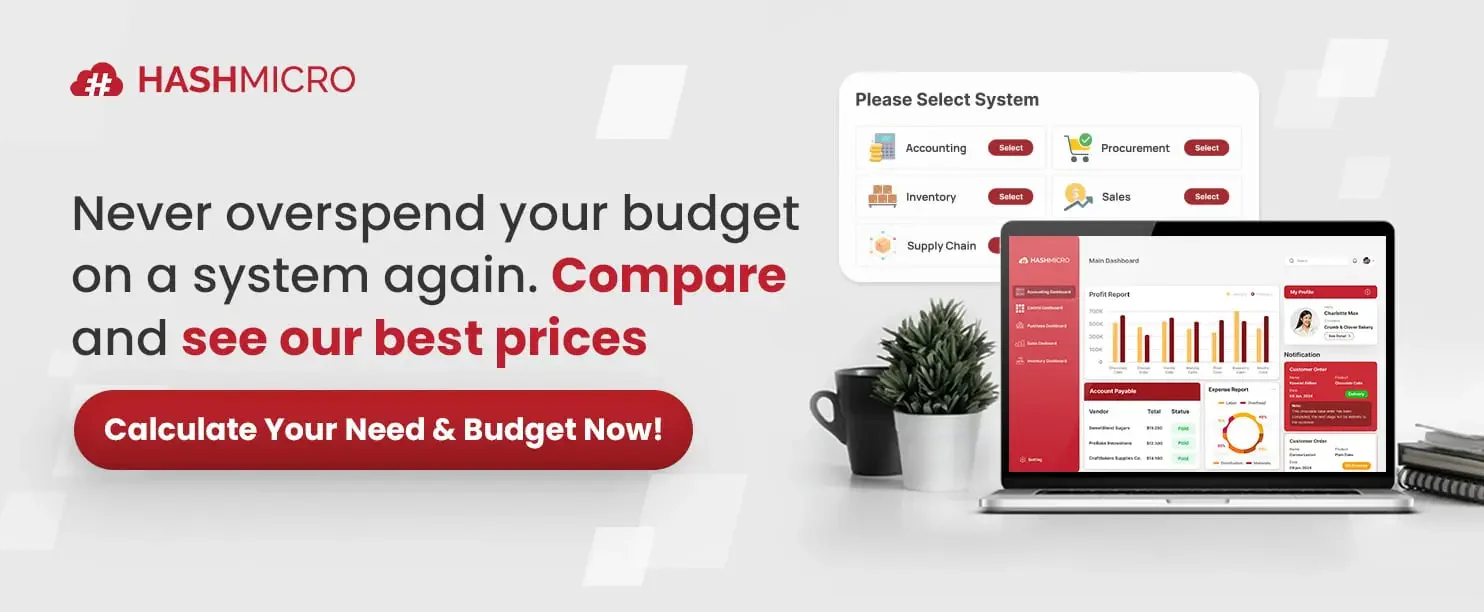
While each option has its strengths, seeing the technology in action provides the best clarity. Explore the full potential of our system by clicking the banner below.
Quick Comparison of Manufacturing ERP Systems Software in Malaysia
| Software | Business Size | Best For | Key Features | Module Coverage |
|---|---|---|---|---|
| HashMicro | SMEs to Large Manufacturers | Growing MY manufacturers and multi-plant operations needing full production control and local tax readiness. | Advanced BOM, Routing, WIP tracking, and Native LHDN/SST compliance. | Manufacturing, Inventory, Procurement, Accounting, Quality Control, Warehouse Management, CRM, Sales, Maintenance. |
| Dynamics 365 | Mid to Large Enterprises | Manufacturers heavily invested in the Microsoft ecosystem seeking unified data across operations. | Seamless Microsoft Office integration, Internet of Things connectivity, and supply chain visibility. | Production Planning, Supply Chain Management, Finance, Human Resources, Project Operations, Customer Service, Business Intelligence. |
| Oracle NetSuite | Growing Mid-sized to Large Manufacturers | Global manufacturers managing multiple subsidiaries, currencies, and international supply chains. | Cloud-based ERP, advanced financial management, and global supply chain planning. | Financial Management, Procurement, Inventory, Order Management, Demand Planning, Warehouse Operations, E-commerce. |
| SAP Business One | Small to Mid-sized Manufacturers | Growing discrete manufacturers needing structured, standardized industry best practices. | Comprehensive material requirements planning, inventory control, and strong global partner ecosystem. | Material Requirements Planning, Inventory Control, Purchasing, Sales Management, Financial Accounting, Production Scheduling, Reporting. |
| Epicor Kinetic | Mid to Large Enterprises | Complex make-to-order or engineer-to-order manufacturing environments. | Deep shop floor control, built-in manufacturing execution system integration, and highly configurable interface. | Manufacturing Execution System, Shop Floor Management, Engineering Change Control, Production Scheduling, Quality Assurance, Supply Chain. |
| Infor M3 | Large Enterprises | Process and discrete manufacturers with highly complex, global, or multi-site operations. | Industry-specific suites, equipment management, and global financials. | Manufacturing Operations, Enterprise Asset Management, Global Finance, Supply Chain Planning, Procurement, Analytics. |
| Acumatica | Small to Mid-sized Businesses | Manufacturers with high employee or shift-worker counts needing flexible licensing. | Unlimited user pricing, strong open API, and flexible shop-floor data collection. | Manufacturing Management, Inventory, Customer Relationship Management, Field Service, Project Accounting, Distribution, Payroll Integration. |
| Sage | Mid-sized Manufacturers | Process manufacturing businesses needing strict lot traceability. | Lot tracking, recipe and formula management, and compliance reporting. | Recipe Management, Batch Processing, Traceability, Quality Control, Compliance Reporting, Inventory Management. |
| Aptean Ross | Small to Mid-sized Process Manufacturers | Process manufacturers requiring deep traceability and strict compliance. | Recipe management, bi-directional traceability, and integrated quality control. | Formula Management, Regulatory Compliance, Quality Assurance, Production Planning, Inventory Traceability, Procurement. |
| YonYou | Mid to Large Enterprises | Asian-based manufacturers or multinational companies expanding across the Asia-Pacific region. | Strong Asia-Pacific localization, flexible deployment models, and comprehensive manufacturing planning. | Manufacturing, Financial Management, Human Resources, Procurement, Supply Chain, Customer Management, Analytics. |
| SYSPRO | Small to Mid-sized Manufacturers (SME) | Discrete and process manufacturers looking for a highly specialized industry-built system. | Lot traceability, bill of materials management, and lean manufacturing support. | Bill of Materials Management, Production Control, Inventory Optimization, Demand Forecasting, Quality Management, Warehouse Operations. |
| IFS Cloud | Large or Asset-Intensive Manufacturers | Asset-intensive and complex manufacturers in aerospace, electronics, oil and gas, and defense industries. | Unified ERP platform with strong compliance and traceability for regulated industries. | Enterprise Asset Management, Manufacturing, Field Service Management, Project Management, Supply Chain, Compliance. |
What is ERP Manufacturing Software?
ERP Manufacturing Software is a system designed to help Malaysian manufacturing companies manage and automate core operational processes, including production, inventory, and supply chain activities. It provides an integrated platform that tracks, controls, and optimizes every stage of manufacturing, giving businesses real-time visibility and better coordination across departments.
Many manufacturers in Malaysia still face operational issues because they use systems that don’t fit their workflows. The right ERP Manufacturing Software enables companies to consolidate processes, improve accuracy, and support faster decision-making. It helps manufacturers stay competitive and grow with confidence in Malaysia’s evolving industrial landscape.
A strong PPIC dashboard connects production, inventory, procurement, and shop floor data in one view. Key capabilities include: Production managers can see which jobs are on track, delayed, or at risk across all work centers without waiting for end-of-day reports. Prevents stockouts and overordering by showing current stock quantities per site in real time. Purchasing team knows which POs are tied to active production so they can prioritise urgent orders. Supervisors can monitor completion percentage per work order without walking the shop floor or waiting for manual updates. For manufacturers with more than one plant, all locations appear in one unified dashboard view. Discover the 12 best ERP manufacturing software in Malaysia for 2026. Streamline production, optimize inventory, reduce costs, and automate operations with powerful solutions designed for manufacturing businesses. HashMicro is a leading ERP provider from Indonesia, now expanding across Southeast Asia, including Malaysia. HashMicro helps manufacturers grow by streamlining processes and offering features tailored to Malaysia’s industry needs. HashMicro’s Manufacturing Software is an ERP solution for manufacturing that improves productivity and efficiency. It manages everything from work orders to raw materials with specialized ERP modules, and offers flexibility to match your machinery and workforce. It’s a strong option for Malaysian manufacturers, offering a complete feature set and dedication to customer success. With HashMicro ERP, companies can stay competitive and thrive in Malaysia’s growing market. Below are the key features that help boost productivity and profitability.
Why this suits Malaysian businesses: HashMicro is built within the Southeast Asian ecosystem, making it a naturally suited choice for Malaysian businesses. It understands local SST regulations and operational needs, is compatible with the MIDA Smart Automation Grant (SAG), and offers unlimited user pricing that works well for SMEs and mid-sized manufacturers. Local implementation support in Bahasa Melayu further reduces onboarding friction. After exploring HashMicro Manufacturing Software, you may wonder how it fits your specific production needs. Learn about the software’s pricing scheme by clicking the banner below.
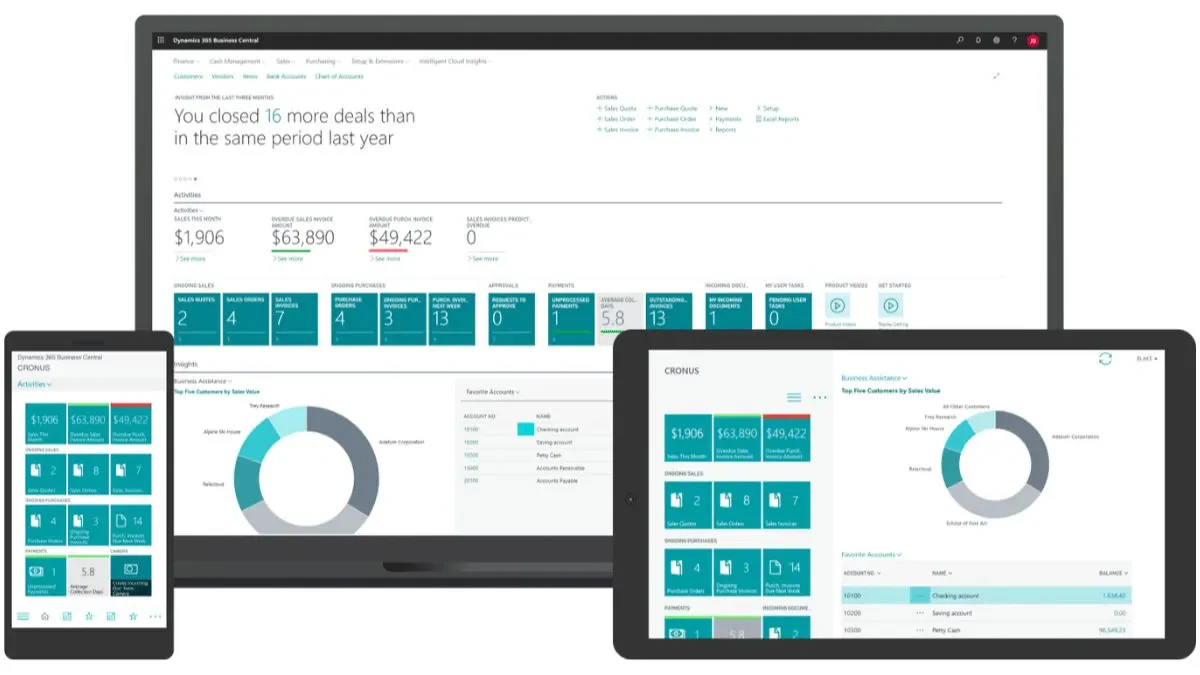
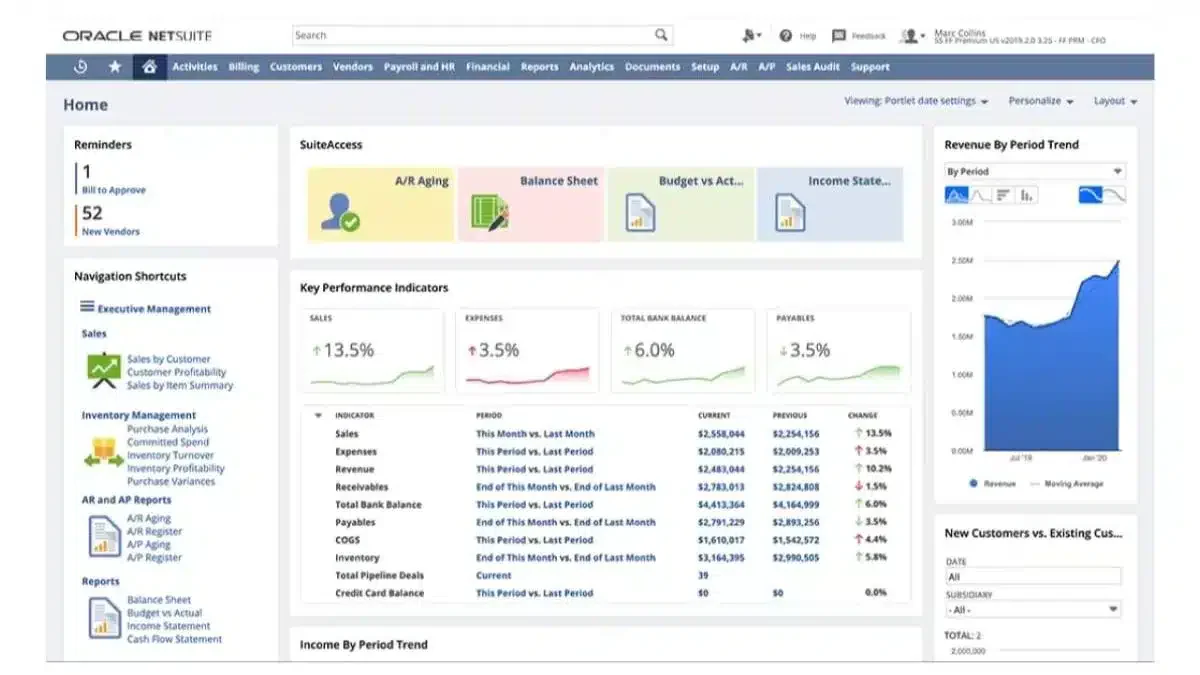
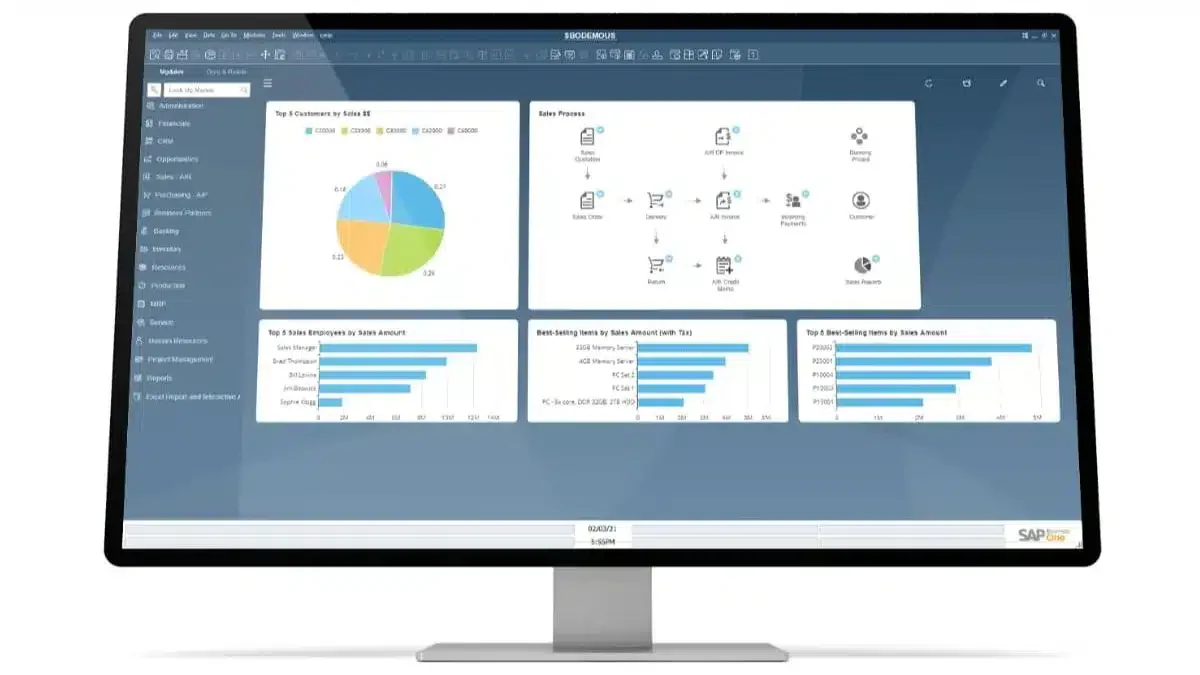
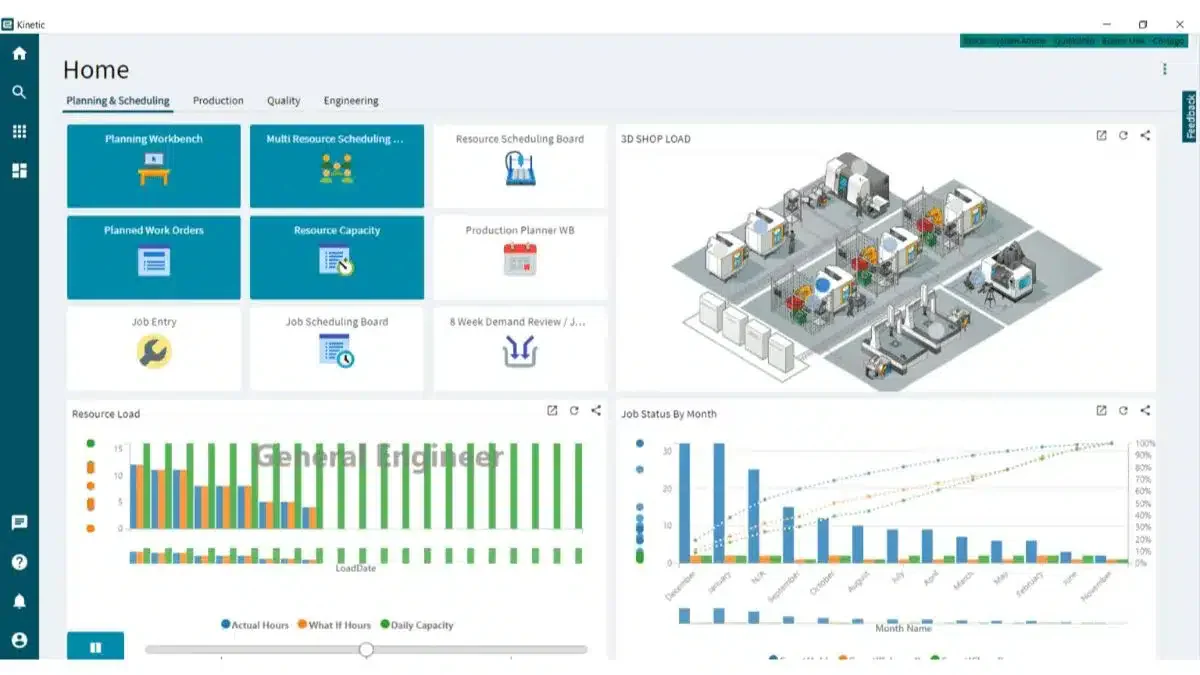
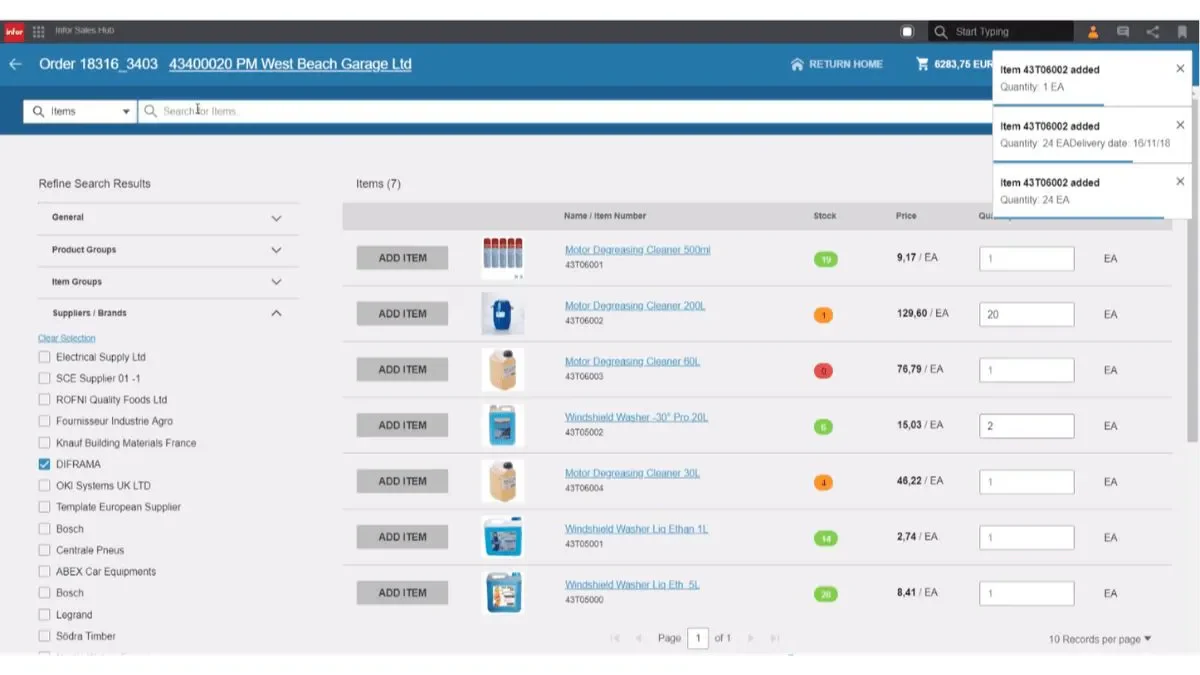
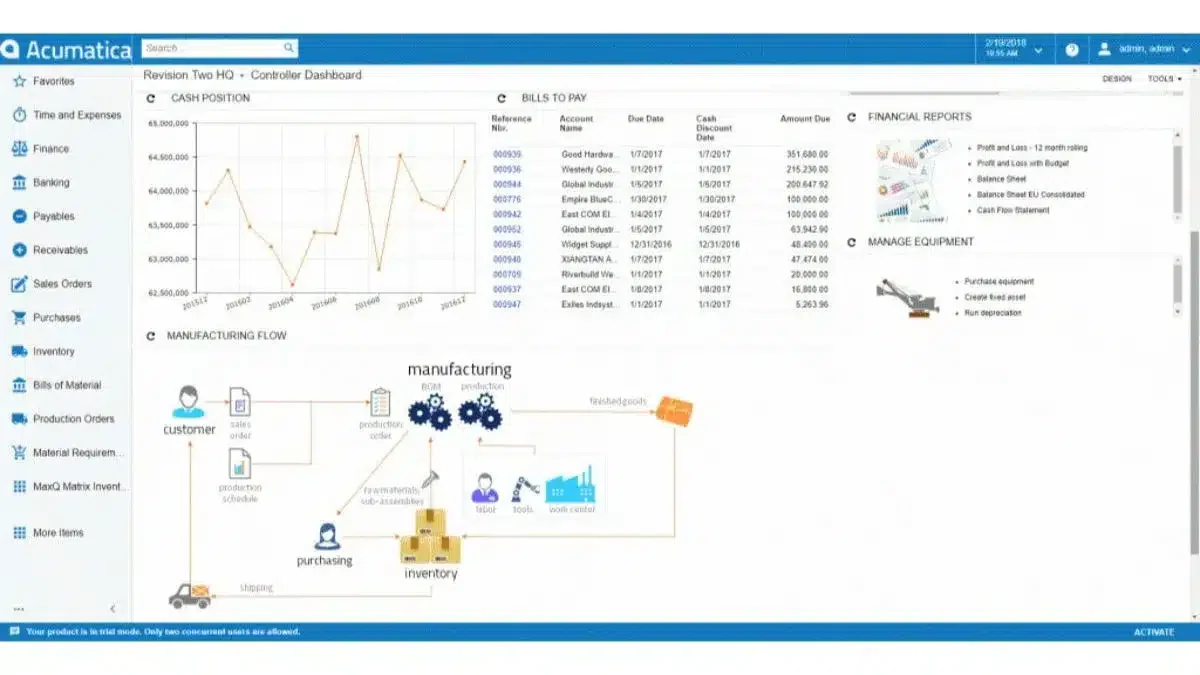
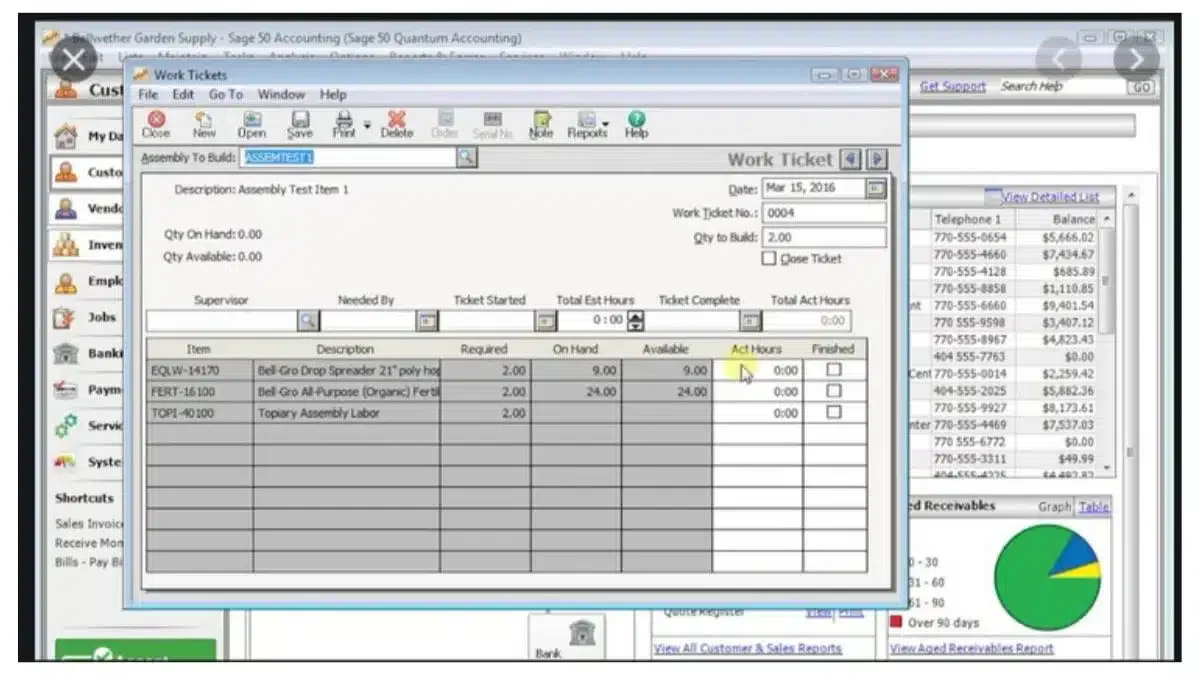
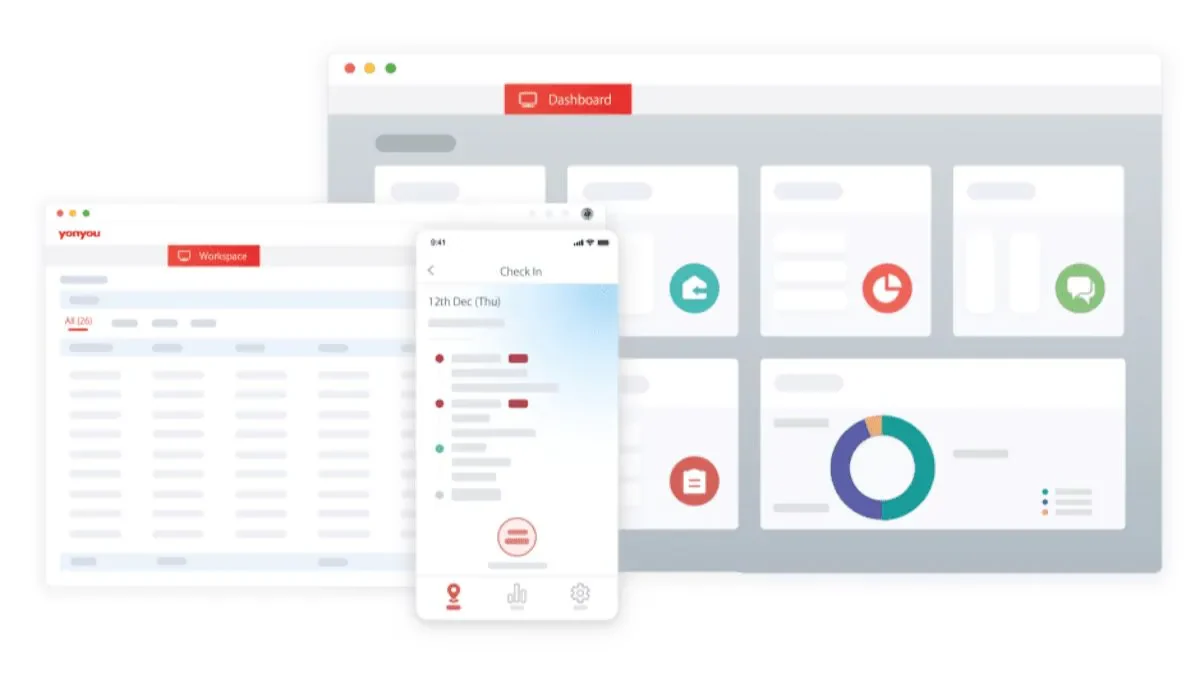
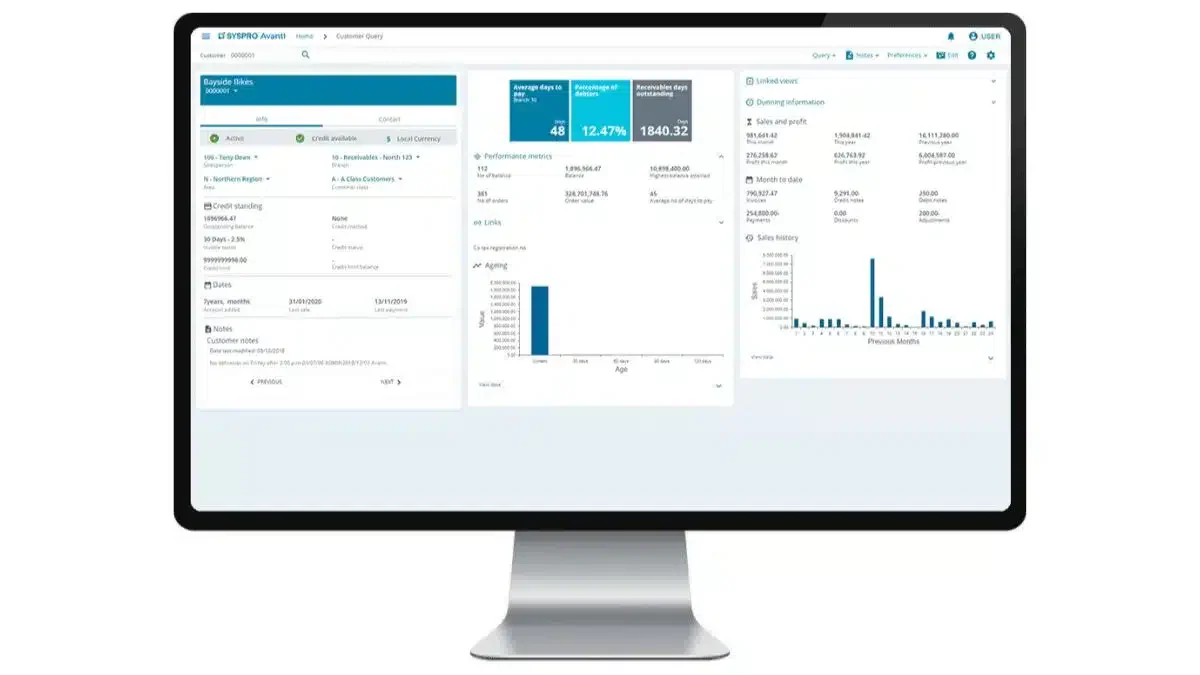
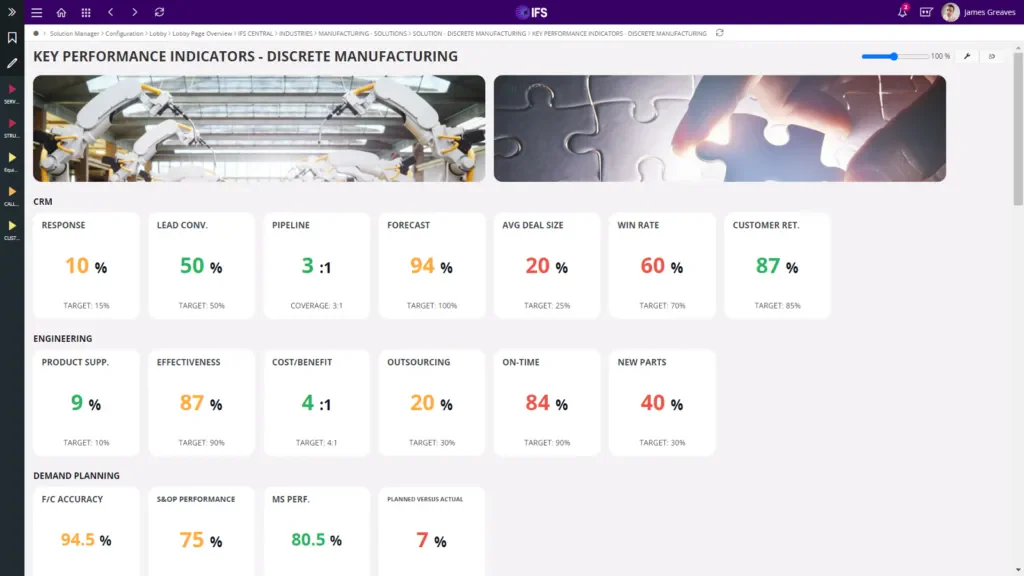
Dynamics 365 Business Central is a manufacturing ERP software available in Malaysia, designed for the local industry. It streamlines daily operations by integrating key business processes. The software helps manage production, inventory, procurement, and finances efficiently. Key features of Dynamics 365 Business Central: Why this suits Malaysian businesses: For Malaysian businesses already running on Microsoft 365, Dynamics 365 is a logical extension. The high adoption of Teams, Office, and Power BI across Malaysian companies shortens the learning curve significantly. Azure’s local data center ensures PDPA compliance, and the wide Microsoft partner network across Malaysia makes implementation and support readily accessible. Oracle NetSuite is an ERP for manufacturing providers. It stands out for its many functions and features tailored to this industry. That’s why lots of manufacturing companies choose Oracle NetSuite in Malaysia. Key Features of Oracle NetSuite: Why this suits Malaysian businesses: NetSuite is well suited for Malaysian manufacturers operating across multiple locations, given its cloud-native architecture that enables real-time access from cities like Penang, Shah Alam, and Johor Bahru. Its multi-entity and multi-currency capabilities support regional ASEAN expansion, while automated financial reporting aligns with MFRS standards and Bursa Malaysia requirements. SAP Business One ERP manufacturing software can efficiently manage small to medium-sized businesses. With features including manufacturing functions, inventory management, and financial reporting, SAP Business One enables companies to automate their business processes. Here are the features of SAP Business One: Why this suits Malaysian businesses: SAP’s global recognition makes it a strong fit for Malaysian exporters in electronics and commodities who must meet international audit and compliance standards from buyers in Europe, the US, and Japan. It also supports LHDN’s e-invoicing mandate being rolled out across Malaysia, and has an established partner ecosystem in Kuala Lumpur that includes dedicated halal manufacturing expertise. Epicor Kinetic is a user-friendly manufacturing application that effectively simplifies and automates various business processes. This software is tailored to meet the specific requirements of manufacturing companies, such as those managing steel fabrication operations. Epicor Kinetic features: Why this suits Malaysian businesses: Epicor Kinetic is particularly suited for Malaysian steel fabrication and metal manufacturing businesses concentrated in industrial hubs like Shah Alam and Pasir Gudang. Its detailed job order tracking is valuable for oil and gas contract manufacturers, and its integration with MES systems supports Malaysia’s Industry 4.0 agenda driven by MIDA. Infor M3’s manufacturing ERP stands out for its user-friendly interface and robust analytics, all on a single platform. It allows users to navigate functions smoothly, boosting productivity and efficiency. Here are some features of Infor M3: Why this suits Malaysian businesses: Infor M3 is a strong match for Malaysia’s growing F&B and textile manufacturing sectors, including halal food producers targeting export markets in the Middle East. Its batch and expiry date management capabilities align with HACCP standards required by the Ministry of Health Malaysia, making compliance more straightforward. Acumatica’s Manufacturing ERP is a cloud-based system for planning and controlling manufacturing operations. It helps businesses streamline production and optimize resources. Here are its key features to consider: Why this suits Malaysian businesses: Acumatica suits Malaysian SMEs well because its resource-based pricing model rather than per-user licensing, helps keep costs proportional as the business grows. Its open API simplifies integration with local marketplaces, and full cloud accessibility supports the hybrid work culture now common among Malaysian plant managers and supervisors. Sage provides cloud-based MRP and ERP for manufacturing to reduce costs and improve quality control. It offers tools to manage production, inventory, and supply chain operations. Key features that can enhance your business include: Why this suits Malaysian businesses: Sage is a practical fit for Malaysian SMEs beginning their digital transformation journey. It supports MFRS and SST accounting standards, comes at a relatively affordable subscription cost, and its intuitive interface minimizes training expenses an important consideration for businesses operating on tight margins. Why this suits Malaysian businesses: Aptean Ross is well suited for Malaysian food processing and consumer goods manufacturers, particularly those exporting to the Middle East and South Asia. Its real-time inventory visibility also helps factories operating within Malaysia’s Free Industrial Zones, such as Bayan Lepas and Senai, meet customs audit requirements more efficiently. YonYou offers intelligent manufacturing solutions that help companies run manufacturing operations efficiently, from sales orders to work order processing and scheduling. The following are the various features of YonYou: Why this suits Malaysian businesses: YonYou is a natural fit for Chinese FDI companies setting up manufacturing operations in Malaysia, a trend that has grown significantly since 2020. Mandarin-language interface support reduces communication barriers within Chinese-managed teams, and its integration with Chinese business platforms like WeChat Pay and Alibaba streamlines cross-border transactions with suppliers in China. SYSPRO is an ERP software with comprehensive manufacturing features tailored for various industries. It supports the entire process—from planning and scheduling to production and inventory management. Here are some of its key features: Why this suits Malaysian businesses: SYSPRO is well suited for Malaysian manufacturers in the electronics and industrial equipment sectors, which are heavily concentrated in Penang and Seremban. Its flexible module customization supports niche industries such as aerospace components and medical devices that require compliance with standards like AS9100 or ISO 13485. IFS Cloud is an enterprise-grade ERP platform developed by IFS (Industrial and Financial Systems), built specifically for asset-intensive and complex manufacturing industries including aerospace, defense, electronics, and heavy manufacturing. It combines ERP, Enterprise Asset Management (EAM), Field Service Management (FSM), and Manufacturing Execution capabilities into a single unified cloud platform. Features of IFS Cloud: Why this suits Malaysian businesses: IFS Cloud fits manufacturers in high-complexity, regulated industries, particularly aerospace (Subang Aerospace Park), electronics (Penang, Johor), and oil & gas. Its built-in compliance and traceability tools support AS9100 and ISO 9001 requirements, while the Enterprise Asset Management module addresses the maintenance demands of Malaysia’s heavy manufacturing sector. Malaysia’s manufacturing sector is accelerating Industry 4.0 adoption through MIDA initiatives to improve supply chain visibility and cost control. However, many factories still struggle with fragmented data, inaccurate inventory records, and disconnected procurement processes that reduce operational efficiency. Implementing the right ERP system can transform how Malaysian manufacturers operate and bring clarity, control, and coordination across all departments. Here are some key of manufacturing ERP benefits for businesses in Malaysia: Before reviewing the best manufacturing software options, take a moment to identify the features your business truly needs. Use the checklist below to guide your assessment of various ERP systems. When looking for the right manufacturing software vendor, there are key tips to keep in mind. Avoid systems that may lead to inefficiencies or losses for your Malaysian business. A good ERP manufacturing software system can boost efficiency and give you a competitive edge, but with so many choices, how do you choose the best one? Here are some tips for choosing the right manufacturing software: Start by outlining your requirements and objectives, such as metal manufacturing or other manufacturing processes. Identify the essential features and functionalities for your manufacturing processes, and the challenges you need to address. Evaluate the total cost of ownership, including implementation, licensing, and maintenance fees. Consider the return on investment (ROI) and how the software will contribute to long-term cost savings and revenue generation. Check if the vendor supports the MIDA Smart Automation Grant (SAG) application. This initiative matches a portion of your investment, significantly reducing implementation costs. Choose a software solution that can scale with your business as it grows. Look for flexible and customizable options that can accommodate future expansion and changing needs. Ensure the ERP software seamlessly integrates with your existing systems and technologies, including accounting software, CRM systems, and production equipment. This will prevent data silos and improve overall efficiency. Choose software with an intuitive, user-friendly interface. This will facilitate adoption among your employees and minimize training time and costs. Consider a solution that lets you and your team access important data and complete tasks on the go. This flexibility can improve productivity and responsiveness. Research the vendor’s reputation and customer support services. Choose a vendor with a proven track record of reliability, responsiveness, and ongoing support. Take advantage of free trials or demos offered by ERP vendors to test the software’s functionality and suitability for your business before making a final decision. Manufacturing ERP software helps Malaysian manufacturers manage complex operations, including production planning, inventory management, and supply chain management, within a single integrated system. By centralising data and automating routine workflows, teams gain better control over costs, timelines, and quality. The right ERP platform improves efficiency through real-time visibility, clearer reporting, and more consistent processes across departments. It also reduces manual handovers that often cause delays, stock discrepancies, and planning errors. If you’re evaluating options, a free consultation can help map your current workflow and identify the ERP capabilities that will deliver the most impact. That way, you can choose a solution that fits your operations today while supporting future growth. Implementing a new manufacturing ERP system usually takes 3 to 12 months, depending on factors like company size, process complexity, data migration, and customization requirements. Common challenges include ensuring compatibility with existing systems, managing the complexity of data migration, and addressing user resistance. Adequate training, thorough planning, and choosing the right software that integrates well with current systems can mitigate these issues. Yes, manufacturing software reduces operational costs by improving inventory management, minimizing downtime through predictive maintenance, and optimizing supply chain operations. These efficiencies lead to significant cost savings over time. Manufacturers typically evaluate software based on factors like scalability, ease of integration, user-friendliness, and cost. Many also consider vendor reputation, customer support, and the availability of features tailored to their specific industry needs. Engaging with vendors through demos and trials is also a common practice. Manufacturing software helps companies stay compliant by providing tools for accurate record-keeping, real-time monitoring of processes, and ensuring that all production activities adhere to industry standards and regulations. MRP (Material Requirements Planning) focuses on calculating what materials are needed and when to order them. PPIC (Production Planning and Inventory Control) goes further, it integrates production scheduling, inventory tracking, and procurement into one dashboard, giving managers visibility across the entire production cycle, not just materials. Not all manufacturers require MIDA compliance, but companies applying for MIDA investment incentives such as Pioneer Status or Investment Tax Allowance need to submit regular performance reports covering production output, workforce data, and export value. An ERP system that can generate these reports reduces manual work and audit risk significantly. Yes, but not all ERP systems are built for it. Look for systems that support lot-level traceability, batch certification management, and segregated production line tracking. This is particularly important for food, beverage, and pharmaceutical manufacturers in Malaysia who hold or apply for halal certification from JAKIM.
Real-time production schedule visibility
Live inventory levels per warehouse/location
Procurement status linked to open production orders
Work order progress tracking
Multi-site visibility
Best ERP Manufacturing Software in 2026
1. ERP Manufacturing Software HashMicro
Pros
Cons
2. Dynamics 365 Business Central
Pros
Cons
3. Oracle NetSuite
Pros
Cons
4. SAP Business One
Pros
Cons
5. Epicor Kinetic
Pros
Cons
6. Infor M3
Pros
Cons
7. Acumatica
Pros
Cons
8. Sage
Pros
Cons
9. Aptean Ross ERP
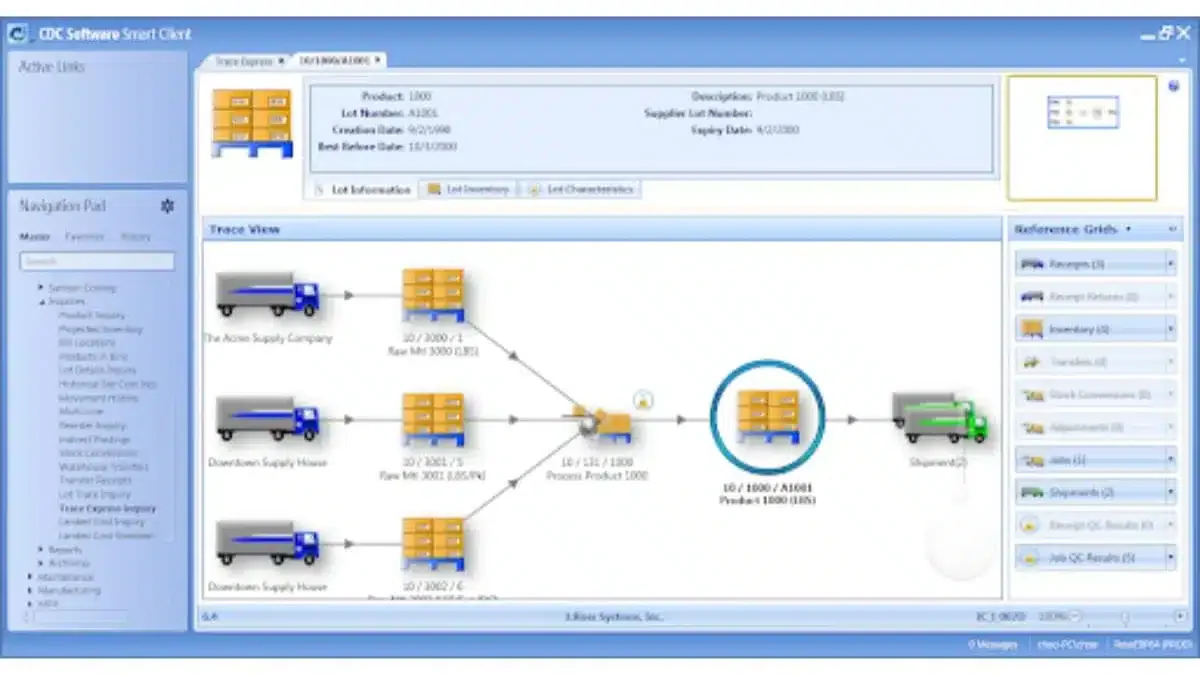 Aptean Ross ERP is a manufacturing solution focused on production, cost, and quality management. It offers real-time inventory visibility and full supply chain tracking, backed by professional support. Here are some key features of Aptean Ross:
Pros
Cons
10. YonYou
Pros
Cons
11. SYSPRO
Pros
Cons
12. IFS Cloud
Pros
Cons
Overall Comparison of The Best Manufacturing Systems in Malaysia
Provider
MRP & Production Control
Local MY Support
Ease of Integration
System Scalability
HashMicro
SAP
Dynamics 365
NetSuite
Acumatica
What are the Benefits of ERP Manufacturing Software for Malaysian Businesses?
Key Features of ERP Manufacturing Software
How to Choose the Right Manufacturing Software for Your Business?
1. Identify your business need
2. Cost and ROI timing
3. Leverage government grants
4. Scalability
5. Integration capability
6. User-friendly interface
7. Mobile accessibility
8. Vendor support and reputation
9. Trial and Demo
Which Manufacturing ERP Software Suits My Business?
Business Profile
Recommended Software
Why It Fits
SMEs & growing manufacturers looking for cloud flexibility
(Needs intuitive UI, Microsoft ecosystem, or flexible user pricing)Acumatica / Dynamics 365 Business Central
Acumatica offers a unique resource-based pricing (unlimited users) perfect for shift workers, while Dynamics 365 effortlessly simplifies tasks for teams already using Microsoft products.
Growing MY manufacturer, multi-plant, local compliance needed
(Needs full end-to-end control & local tax readiness)HashMicro
Provides the best end-to-end solution for all business needs with robust MRP features, native LHDN MyInvois & SST compliance, and dedicated local support in Malaysia.
Large global enterprise, highly complex supply chain
(Massive data volume, multi-subsidiary, global reach)SAP / NetSuite
SAP delivers a highly comprehensive suite of tools for deep manufacturing management, while NetSuite provides a powerful cloud-based system to manage global subsidiaries from anywhere.
Conclusion
FAQ about Manufacturing Software
How long does it take to implement a new Manufacturing ERP system?
What are the challenges faced during the implementation of manufacturing software?
Can manufacturing software help reduce operational costs?
How do manufacturers evaluate and select the right manufacturing software?
How does manufacturing software aid in compliance with industry regulations?
What is the difference between PPIC and MRP in manufacturing ERP?
Does manufacturing ERP software in Malaysia need to support MIDA compliance?
Can ERP software handle halal production tracking for Malaysian manufacturers?