




Best Real Estate ERP Software in Singapore | HashMicro

Complete Real Estate Control From Asset to Revenue

Manage properties, contracts, and financial records in one connected real estate system built for growing portfolios with HashMicro.

AI That Takes Out 90% of Your Workload

Operational complexity is reduced while decision quality improves, helping teams execute with more intent and consistency.

Get Instant Answers About Your Portfolio.

Ask AI which properties, leases, approvals, or payments need attention and get the next best action instantly.

Focus on the Most Profitable Assets

Identify which properties, units, or projects deliver stronger returns so teams can prioritize high-value assets.

Keep Lease and Contract Work Moving

Track approvals, renewals, contract terms, and document deadlines before they create revenue gaps.

Stay Ahead of Portfolio Risk

Detect occupancy gaps, delayed approvals, expiring leases, revenue shifts, and emerging portfolio risks earlier.

3 leases expire within 45 days.
Revenue recognition is projected to improve by 10%.
2 contract approvals are delayed this week.
More Speed, More Control

Give Your Team the Ability to be HashMicro X logo traordinary

Portfolio Planning & Control

Plan budgets, development pipelines, and portfolio actions with visibility into every property, unit, and cost driver.

Portfolio Budget Planning

Plan and monitor property budgets, cost allocation, and capital needs across the full portfolio.

Real Estate ERP Portfolio Budget Planning

Development Pipeline Control

Track property development stages, approvals, milestones, and project readiness in one place.

Real Estate ERP Development Pipeline Control

Smart Replenishment Planning

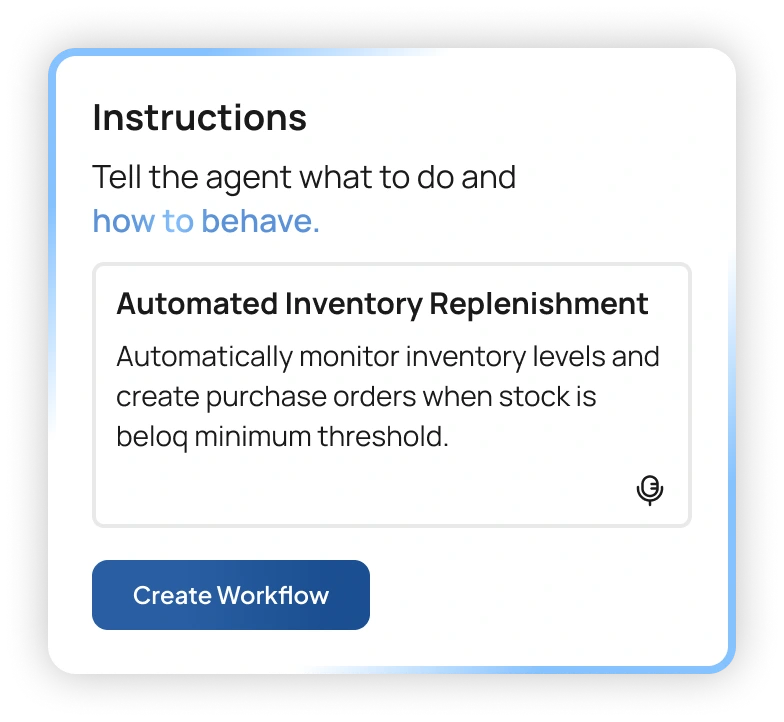
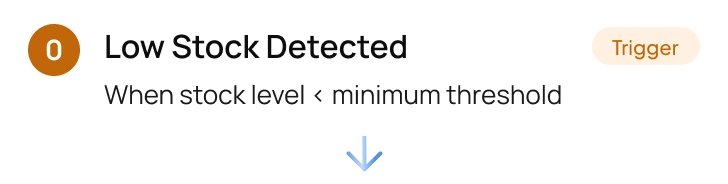
Plan recurring operational needs and property resources before they affect service quality.

Real Estate ERP Smart Replenishment Planning

Contract & Lease Intelligence

Keep lease terms, renewals, risks, and opportunities visible so teams act before revenue or occupancy is affected.

Track lease dates, clauses, renewals, and commercial terms in a structured contract workspace.

Real Estate ERP Lease Term Intelligence

Accounting & Revenue Automation

Faster real estate finance with automated revenue, cost, and cash flow accuracy.

Rental Revenue Mapping
Real Estate ERP Rental Revenue Mapping
Real Estate ERP Payment Reconciliation
Real Estate ERP Smart Cost Alerts
Real Estate ERP Rental Revenue Mapping
Real Estate ERP Payment Reconciliation
Real Estate ERP Smart Cost Alerts
Real Estate ERP Rental Revenue Mapping
Real Estate ERP Payment Reconciliation
Real Estate ERP Smart Cost Alerts
Real Estate ERP Rental Revenue Mapping
Real Estate ERP Payment Reconciliation
Real Estate ERP Smart Cost Alerts
Real Estate ERP Rental Revenue Mapping
Real Estate ERP Payment Reconciliation
Real Estate ERP Smart Cost Alerts

Rental Revenue Mapping

Map rental revenue by property, unit, tenant, and period to see portfolio contribution clearly.

Get Started

Essential Features The Foundation of Reliable Real Estate Management

Core tools to manage properties, tenants, contracts, billing, and financial records in one connected system.

Manage property data, units, occupancy status, and asset details.

  • Decorative visual Property records
  • Decorative visual Unit records
  • Decorative visual Occupancy status
  • Decorative visual Asset details
Real Estate ERP Property Records
Real Estate ERP Tenant & Lease Admin
Real Estate ERP Sales & Billing
Real Estate ERP Accounting Records
Real Estate ERP Contract Documents

Experience

Super Fast & Shockingly Powerful

Hello, I'm Hashy, the AI Assistant from HashMicro.
Tell me what you're looking for
Search
Powered by Hashy AI

property units with low occupancy and the main causes

Occupancy, prospect, unit, revenue, operating cost, and pricing-strategy insights

AVG OCCUPANCY RATE78%
VACANCY RISKLow
RENTAL VALUES$ 3.8M
RENEWAL CYCLE8 days
AI Insightproperty portfolios with rising vacancy risk are clustered in Office. Prioritize the next follow-up before the cycle widens.

RENTAL VALUE vs. OCCUPANCY RATE
LeaderGrowthNeeds ReviewAt Risk
1007550250
024.6849.3574.0398.70
RENTAL VALUE
PROPERTY PORTFOLIOOCCUPANCY RATELEASE HEALTHRENTAL VALUERENEWAL CYCLE
Office Tower82%74%S$ 1.8M7 days
Retail Block78%77%S$ 1.6M9 days
Residential Cluster74%80%S$ 1.4M11 days
Industrial Lot70%83%S$ 1.3M13 days
Mixed-Use Asset66%86%S$ 1.1M15 days

Run Your Real Estate Portfolio with Clearer Control

Manage assets, leases, billing, contracts, and financial records in one real estate ERP built to support growing portfolios.

Get Free Demo
Real Estate ERP dashboard preview

Real Estate System Connected to Every Core Operation

Connect property, contract, finance, procurement, and asset data so every real estate decision stays accurate and current.

Buyer leads, unit sales, and bookings move from CRM into property revenue.

Frequently Asked Questions

Got questions? We've got answers. Browse common questions below or reach out to our team.

HashMicro provides a wide range of cloud-based ERP systems tailored to your business needs, including: Accounting Software: Automate financial management, reporting, and bookkeeping. HR & Payroll Software: Manage employees, attendance, and payroll in one system. Inventory Management Software: Monitor stock levels and goods movement in real-time. CRM Software: Manage leads, sales pipeline, and customer relationships. Procurement Software: Automate purchasing processes and vendor management. Manufacturing Software: Control production, BOM, and work orders in one platform. Warehouse Management System (WMS): Optimize warehouse operations from receiving to dispatch. Asset Management Software: Track and manage company assets throughout their lifecycle. Point of Sale (POS): Modern cashier system for retail and F&B businesses. Project Management Software: Plan, monitor, and complete projects on time and on budget. Construction Software: Manage construction projects, cost estimation, and field progress. Mining Software: Manage mining operations, assets, and supply chain in one integrated system. All HashMicro systems are fully integrated to support end-to-end business operations within a single ERP platform.
Yes. HashMicro is built with an open API architecture, allowing seamless integration with third-party applications such as e-commerce platforms, payment gateways, government tax systems (e-Faktur, e-Invoice), banking systems, and other business tools you currently use. Our team will help map and configure the integration based on your specific requirements.
Absolutely. HashMicro complies with international security standards, including ISO 27001 certification, end-to-end data encryption, role-based access control, and regular automated backups. Your data is stored on secure servers and protected under strict data privacy rules, ensuring confidentiality and business continuity at all times.
HashMicro serves over 20 industries, including manufacturing, construction, retail, F&B, distribution, trading, education, mining, and professional services. Each industry has dedicated modules and pre-configured workflows aligned with sector-specific best practices and regulatory requirements.
Yes. HashMicro is designed to scale with your business, whether you are expanding to multiple branches, adding new subsidiaries, or entering international markets. The system supports multi-company, multi-currency, and multi-language configurations, making it suitable for both SMEs and large enterprises.
We provide 24/7 technical support through multiple channels, including a dedicated support portal, email, phone, and live chat. Every client is assigned a dedicated account manager who proactively monitors system performance, handles upgrade requests, and ensures any issues are resolved promptly to keep your business running smoothly.
Yes. HashMicro supports seamless data migration from your existing systems, including spreadsheets, legacy ERP, or third-party software. Our consultants will guide you through the data cleansing, mapping, and validation process to ensure your master data, transaction history, and reports are accurately transferred without disrupting daily operations.

Real Estate ERP systems provide tools for managing all aspects of property management, including lease agreements, tenant communications, maintenance requests, and financial transactions. It automates these processes, ensuring that property managers can efficiently track and manage properties, reduce operational costs, and enhance tenant satisfaction.

A real estate ERP (Enterprise Resource Planning) system is designed to streamline and automate various business processes specific to the real estate industry. Here are the key features that a real estate ERP typically offers:

1. Property Management:

  • Lease and Tenant Management: Manage tenant information, lease agreements, rent collection, renewals, and expirations.
  • Property Listings and Inventory Management: Track and manage property listings, including available units, occupancy rates, and property details.
  • Maintenance Management: Schedule, track, and manage property maintenance activities, work orders, and vendor coordination.

2. Financial Management:

  • Accounts Receivable and Payable: Automate billing, invoicing, payment processing, and collections for tenants and vendors.
  • General Ledger: Track all financial transactions and provide detailed financial reporting.
  • Budgeting and Forecasting: Create and manage budgets for properties, projects, and operations, with tools for financial forecasting and analysis.

3. Project Management:

  • Construction Management: Plan and manage construction projects, including scheduling, budgeting, resource allocation, and progress tracking.
  • Task and Workflow Management: Assign tasks, set deadlines, and monitor progress for various projects, from property renovations to new developments.

4. Sales and Marketing:

  • CRM (Customer Relationship Management): Track and manage leads, customer interactions, and sales pipelines for property sales and leasing.
  • Campaign Management: Plan and execute marketing campaigns, manage online listings, and track their effectiveness.
  • Sales Automation: Automate sales processes, including documentation, payment schedules, and customer communications.

5. Analytics and Reporting:

  • Real-Time Dashboards: Provide real-time visibility into key performance indicators (KPIs) such as occupancy rates, revenue, expenses, and project status.
  • Customizable Reports: Generate detailed financial, operational, and project reports to support decision-making.
  • Data Analytics: Use advanced analytics to identify trends, forecast demand, and optimize property management and sales strategies.

6. Compliance Management:

  • Legal and Regulatory Compliance: Ensure compliance with local, regional, and national laws, including tenant laws, tax regulations, and building codes.
  • Document Management: Store, manage, and access critical documents like contracts, leases, permits, and legal agreements securely.

7. Asset Management:

  • Portfolio Management: Manage multiple properties and real estate assets, including tracking asset performance and ROI.
  • Lifecycle Management: Track the lifecycle of each asset, from acquisition and development to operation, maintenance, and eventual sale or disposal.

8. Customer and Tenant Portal:

  • Self-Service Portals: Provide tenants and customers with online access to manage their accounts, pay rent, submit maintenance requests, and view lease agreements.
  • Communication Tools: Facilitate communication between property managers, tenants, and owners through messaging and notification systems.

9. Human Resources Management:

  • Employee Management: Manage staff information, roles, payroll, and performance evaluations.
  • Resource Allocation: Allocate resources and personnel to specific projects or properties based on availability and skill sets.

10. Integration Capabilities:

  • Third-Party Integration: Integrate with other software solutions such as accounting software, CRM systems, marketing tools, and payment gateways to enhance functionality.
  • Data Import and Export: Facilitate data exchange between systems to ensure data consistency and accuracy.

11. Cloud Accessibility:

  • Remote Access: Enable access to the ERP system from any location, supporting remote work and real-time data updates.
  • Scalability: Scale the system up or down based on business needs, such as adding new users, properties, or modules.

12. Security Features:

  • Data Security: Ensure data protection through encryption, user authentication, and access controls.
  • Audit Trails: Maintain logs of all system activities to monitor compliance and detect potential security breaches.

Real Estate ERP systems prioritize data security by implementing robust security measures, including encryption, access controls, and regular backups. By choosing a reputable ERP provider, you can ensure that your sensitive business data is protected against unauthorized access, data breaches, and other security threats.

The best ERP for real estate depends on your specific needs, but here are some top ERP options widely recognized in the industry:

1. HashMicro: A versatile and comprehensive ERP tailored for real estate, HashMicro offers modules for property management, sales and leasing, financial management, and project tracking. It’s ideal for businesses seeking automation and scalability.

2. SAP S/4HANA: Provides powerful real estate-specific modules with advanced financial management, project management, and analytics capabilities.

3. Microsoft Dynamics 365: Offers flexibility with real estate add-ons, covering property management, leasing, sales, and CRM, suitable for various business sizes.

4. Oracle NetSuite: A cloud-based ERP with integrated financials, lease management, and project tracking, suitable for real estate companies of different scales.

5. MRI Software: Focused on property management and real estate investment, MRI offers tools for portfolio management, financials, and tenant relationship management.

6. Sage Intacct: A cloud-based financial management solution that provides real-time visibility into financial data, along with modules for accounts payable, accounts receivable, and general ledger. It's ideal for companies needing strong financial capabilities and integration with other real estate management systems.

Odoo: An open-source ERP platform offering customizable modules, including real estate management, CRM, sales, and accounting. Odoo is suitable for businesses looking for a flexible and affordable solution that can be tailored to their unique needs.

Acumatica: A cloud ERP solution designed for small to mid-sized businesses, Acumatica offers real estate-specific features like contract management, project accounting, and customer management. It is known for its flexibility, scalability, and ease of use.

Workday: A cloud-based ERP with a strong focus on financial and human capital management. It offers tools for budgeting, planning, and managing real estate assets, making it ideal for large organizations looking for an integrated solution to handle both financial and HR needs.

The key difference between a Property Management System (PMS) and an ERP for Real Estate is their scope and functionality. A PMS focuses specifically on managing day-to-day property operations, such as tenant and lease management, rent collection, maintenance, and property listings. It's designed for property managers and landlords, offering a simpler and cost-effective solution tailored to property-related tasks.

In contrast, an ERP for Real Estate is a comprehensive platform that integrates multiple business functions, including financial management, project management, sales and marketing, human resources, and compliance. It is suitable for real estate businesses looking for a holistic approach to managing all aspects of their operations, providing extensive customization, integration capabilities, and advanced reporting tools.

While a PMS is ideal for smaller organizations or those solely focused on property management, an ERP is better suited for larger or more complex businesses that require a unified system to streamline multiple processes across departments. The choice depends on the organization’s size, complexity, and need for integration across various functions.

3.000+

Business Worldwide run on HashMicro

Real Stories Real Impact.

Discover how enterprises across industries transformed their operations with HashMicro.

Chosen by Asia Pasific's Leading Enterprises

Discover how enterprises across industries transformed their operations with HashMicro

CNN Awards GoldCNBC 3 Years in a Row
Bloomberg

Recognized for Delivering Real Business Impact

Honored by respected industry platforms for innovation, performance, and enterprise reliability.

G2
5.0
Capterra
5.0
Gartner
5.0

Top-Rated by Enterprises Across Global Platforms

Independent recognition and consistently high ratings from enterprise users across industries.

ISO 27001 CertificationInland Revenue Authority of Singapore

Operating Under
Certified Standards

Certified under internationally recognized frameworks and acknowledged by regulatory authorities.

Run Your Business at Full Speed

High-performing teams run smarter and faster with HashMicro. Experience the difference today.