













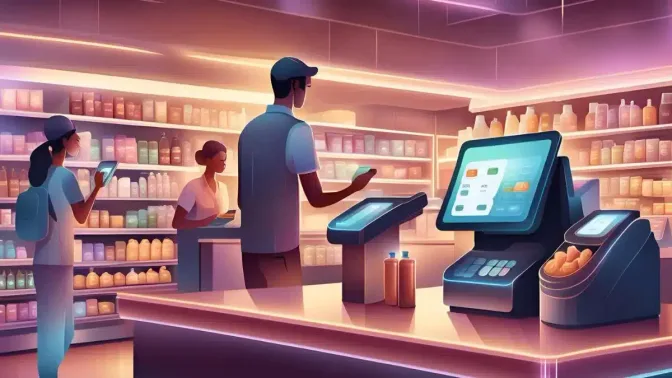
A Point of Sale system, or POS, is basically software that helps you process sales, track your inventory, and manage your store’s finances all in one place. For sari-sari store owners, it’s like having a digital tindahan assistant that never forgets what’s in stock or who still owes you money on utang.
With over 1.3 million sari-sari stores across the Philippines, these neighborhood shops are still the backbone of Filipino retail. But here’s the thing: most still rely on manual record-keeping on paper, which can get messy fast, especially when you’re juggling multiple customers, tracking which products sell best, and trying to figure out if you’re actually making a profit.
This guide breaks down what a POS system actually does, which types work best for small retailers, and what you should look for if you’re considering one for your store.
Key Takeaways
A point of sale system helps sari-sari store owners track inventory, process sales, and generate reports, replacing manual pen-and-paper methods.
When picking a system, focus on ease of use, affordability, and whether it can grow with your business, especially if you plan to open more branches.
Philippine sari-sari stores should consider BIR-accredited solutions to stay compliant with tax regulations, particularly if annual sales exceed ₱3 million.
What is a POS System?
Think of it as the modern version of a cashier, except it also tracks everything you sell. When a customer buys something, the system records the sale, updates your inventory count, and stores the transaction data. At the end of the day, you can pull up reports showing exactly how much you earned, which products moved fastest, and what needs restocking.
Different businesses use different types. Retail stores with dedicated checkout setups might need barcode scanning and multiple payment options. Restaurants with dine-in service typically want table management and kitchen order systems. For sari-sari stores, the needs are usually simpler: basic inventory tracking, sales recording, and maybe customer credit management.
The good news? You don’t need expensive equipment. Many point of sale solutions available in the Philippines now run on regular smartphones or tablets, making them accessible even for small neighborhood stores.
Why Sari-Sari Stores Should Consider a Digital Sales System
You might be thinking: “My store is small. Do I really need this?” That’s a fair question. Not every sari-sari store needs a digital system. But if any of these sound familiar, it might be worth considering:
You’re losing track of inventory
When you’re manually counting stock, it’s easy to forget you’re running low on something until a customer asks for it, and turns out you don’t have it. A basic inventory tracking tool flags low stock automatically before you miss a sale.
Your utang records are getting complicated
Managing customer debt on a notebook is okay until you can’t handle it anymore. What happens when pages get torn, handwriting becomes unreadable, or you can’t remember who paid what?
You want to know what’s actually profitable
Your store is always busy, but at the end of the month, you’re not sure where the money went. With proper sales tracking, you can see exactly which products bring in the most profit and which ones are just taking up shelf space.
You’re planning to expand
If you’re thinking about opening a second location, maybe in another barangay or a nearby town, managing multiple stores gets complicated fast without centralized data.
Who Benefits Most from a Store Management System?
Different Types of Sales Systems You Can Choose From

Not all systems are built the same, and the right one depends on your budget, space, and internet access.
Mobile-based systems
These run on your smartphone or tablet. They’re the most affordable option and work well for stores with limited space. You download an app, connect a card reader if needed, and you’re set. Good for stores just starting out with digital tools.
Tablet systems
Similar to mobile but usually with a dedicated tablet mounted on a stand. The bigger screen makes it easier to navigate, especially during busy hours. Many Filipino retailers prefer this setup because it feels more “official” while staying affordable.
Traditional terminal systems
These are the classic cash register-style setups you see in bigger stores. They’re reliable and can handle high transaction volumes, but they’re also more expensive and take up more space. Probably overkill for most sari-sari stores.
Cloud-based solutions
Cloud-based POS solutions that store data online store your data online, so you can check your sales from anywhere, even from your phone while you’re at the palengke buying supplies. They also don’t lose data if your device breaks. The catch? You need reliable internet, which can be tricky in some areas.
What to Look for When Choosing a System
With so many options out there, how do you pick one that actually fits your needs? Here are the things that matter most for small retailers:
- It should be easy to learn
You or your bantay should be able to figure it out without a week of training. Look for systems with simple interfaces, ideally available in Filipino or with visual icons that don’t require much reading. - The cost makes sense for your business
Some systems charge monthly fees; others are one-time purchases. Calculate the total cost over a year and compare it to your profit margins. A system costing ₱500/month might be worth it if it saves you ₱2,000 in losses from inventory mistakes. - Handles basic inventory tracking
At a minimum, you want to know what you have in stock, what’s running low, and what’s selling. Bonus if it can track expiration dates for perishable items like de lata and bread. - Lets you manage credit customers
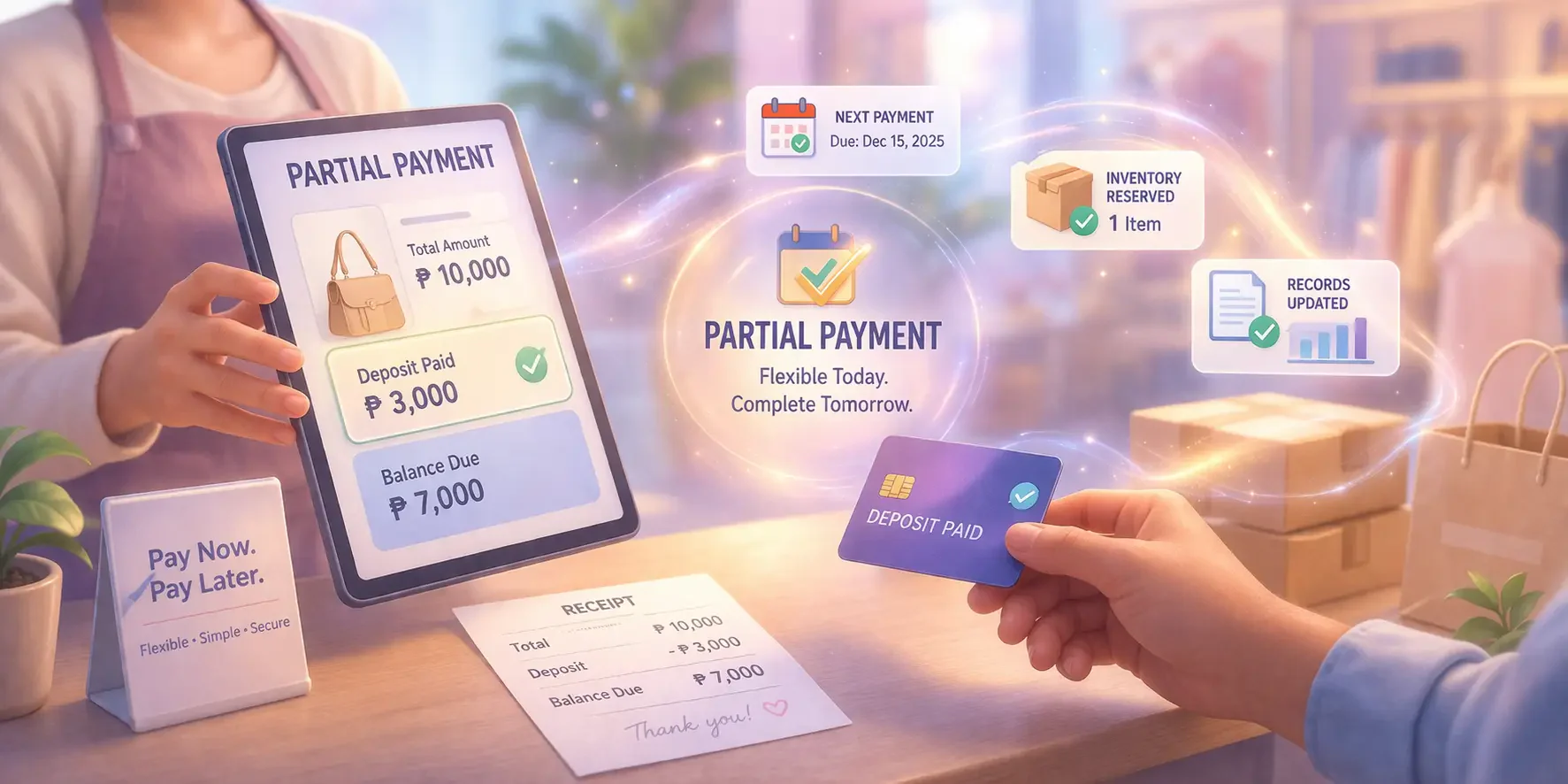
This is huge for sari-sari stores. The ability to record utang, track partial payments, and see outstanding balances at a glance can save hours of headache. - Generates useful reports
Daily sales summaries, weekly best-sellers, and monthly profit margins, these reports help you make better decisions about what to stock and when. - Has local customer support
When something goes wrong, you want help from someone who speaks Filipino and understands the local business context. Check if there’s a local support team or at least a responsive online chat.
BIR Requirements and Tax Compliance for Sari-Sari Stores
Here’s something many store owners don’t realize: once your annual gross sales exceed ₱3 million, you’re required to use a BIR-accredited POS system or Computerized Accounting System (CAS). This is under Revenue Regulations No. 16-2018.
Even if you’re below that threshold, having organized digital records makes it much easier when you need to:
- File your quarterly percentage tax (for those under ₱3 million annually)
- Prepare your annual income tax return
- Keep the books of accounts that the BIR requires
- Issue sales invoices (which sari-sari stores selling goods must provide instead of official receipts)
The DTI also encourages MSMEs, including sari-sari stores, to digitize their operations as part of broader efforts to formalize the retail sector. While not mandatory for small stores, going digital can make dealing with any government requirements much less stressful.
Conclusion
Switching from manual tracking to a digital setup isn’t about replacing what works, it’s about knowing what sells, what doesn’t, and where your money actually goes.
With that being said, not every sari-sari store needs a POS solution. If your current system works and you’re not experiencing major inventory or cash flow issues, there’s no rush. But if you’re finding it harder to keep track of things as your store grows, or you’re planning to scale up, a good point of sale system can make a real difference.
The key is choosing something that fits your actual needs, not the fanciest option, but the one that solves your specific problems at a price that makes sense for your business.
FAQ’s About POS for Sari Sari Store
Does a sari-sari store need to issue receipts?
Service providers generally require official receipts. However, since sari-sari stores typically sell goods, they are more likely to issue Sales Invoices instead.
Is a sari-sari store required to pay taxes?
Yes, even small sari-sari stores must obtain a Tax Identification Number (TIN) and register with the Bureau of Internal Revenue (BIR) for tax purposes. Correspondingly, depending on the business, store owners may need to issue official receipts, maintain books of accounts, and file relevant tax returns, such as Percentage Tax or Income Tax.
Are sari-sari store owners considered self-employed?
Yes, sari-sari store owners are classified as self-employed. Self-employed individuals run a business and earn personal income directly from their business activities.