















Sustainability has become a key driver of business success, far beyond being a mere trend. Investors, regulators, and stakeholders are now assessing companies on financial returns and their commitment to environmental, social, and governance (ESG) factors.
This is where ESG scores become crucial. An ESG (Environmental, Social, and Governance) score measures a company’s impact on the environment, social responsibility, and the strength of its governance practices. A strong ESG score can enhance brand reputation, attract investors, and ensure compliance with evolving regulations.
Paano nga ba ito kinakal kalkula, at bakit ito mahalaga para sa inyong negosyo? Magpatuloy sa pagbasa upang matutunan kung paano nakakaapekto ang ESG scores sa estratehiya ng kumpanya at kung paano maaaring gamitin ito ng inyong negosyo para sa makatarungan at matatag na paglago.

Key Takeaways
An ESG score is a comprehensive rating that evaluates a company’s performance across three crucial areas environmental sustainability, social responsibility, and corporate governance.
HashMicro’s ERP software offers an effective solution to streamline ESG tracking and reporting.
What is an ESG Score?
An ESG score is a comprehensive rating that evaluates a company’s performance across three crucial areas environmental sustainability, social responsibility, and corporate governance.
It provides insights into how effectively a company manages risks and opportunities related to these factors, helping investors and stakeholders assess its long term sustainability.
A high ESG score suggests that a company is actively working to minimize its environmental impact, foster positive social relationships, and maintain strong governance practices, all contributing to its overall reputation and financial stability.
Hashy AI Fact

Need to know!
With AI, ESG scoring becomes more efficient and less prone to errors. Use Hashy AI by HashMicro to support automation and boost your ESG score. Try the free demo today!
Get a Free Demo Now!
What are the Three Key Aspects of ESG?
Three key pillars determine the overall ESG score, each focusing on specific factors or metrics:
- Environmental: This pillar evaluates a company’s efforts in managing waste, reducing pollution, improving energy efficiency, minimizing carbon emissions, managing water usage, and addressing climate change, among other environmental concerns.
- Social: The social pillar assesses aspects such as health and safety standards, human rights practices, labour conditions, workforce diversity, and the company’s engagement with local communities.
- Governance: This pillar examines a company’s governance structure, including board composition, executive compensation, business ethics, and risk management practices.
Why are ESG Scores Important to Companies?
As businesses increasingly face pressure from investors, regulators, and consumers to demonstrate their commitment to sustainability, ESG scores have become a crucial tool in measuring and showcasing this responsibility.
Understanding why ESG scores are essential can help companies make informed decisions that not only improve their practices but also enhance their long-term success. Below are some key reasons why ESG scores are critical for businesses:
- Attracting investors: A strong ESG score signals to potential investors that a company is focused on long-term sustainability, which can help attract capital from those prioritizing ethical and responsible investing.
- Enhancing reputation: Companies with high ESG scores tend to have better public reputations, as they are seen as socially responsible, environmentally conscious, and well-governed. This positive image can strengthen brand loyalty and customer trust.
- Risk management: ESG scores help identify potential risks related to environmental, social, or governance issues that could impact the company. By addressing these risks early, businesses can avoid costly penalties or reputational damage.
- Regulatory compliance: As governments around the world introduce stricter regulations on sustainability, companies with strong ESG practices are better equipped to comply with evolving rules and avoid legal challenges.
- Attracting talent: Companies with strong ESG scores are often more attractive to top talent, especially those who prioritize working for organizations that align with their values, particularly in sustainability and social responsibility.
By prioritizing ESG performance, companies not only contribute to a better world but also position themselves for greater success in an increasingly value-driven market.
How Do ESG Scores Work?
ESG scores are calculated by assessing a company’s performance in three main areas environmental impact, social responsibility, and governance practices. Each area is evaluated using specific factors, such as energy usage, employee treatment, and management effectiveness.
These factors are then combined to create a score that reflects how well the company manages its environmental, social, and governance risks and opportunities. The higher the ESG score, the better the company is considered to be in handling these important issues.
Different agencies may use slightly different methods, but the goal is to give a clear picture of a company’s commitment to sustainable and ethical practices.
Who Calculates ESG Scores?
ESG scores are calculated by several specialized rating agencies and research firms that assess a company’s performance in three key areas environmental impact, social responsibility, and corporate governance.
Some of the most well-known ESG rating providers include MSCI, Sustainalytics, and S&P Global, each using their unique methodologies to evaluate companies. These agencies collect data from various sources, such as publicly available reports, company disclosures, third-party research, and sometimes direct company surveys.
The agencies analyze factors such as a company’s carbon footprint, waste management, labour practices, community involvement, board structure, and transparency in financial reporting. Based on these factors, they assign a score or rating that reflects the company’s performance in relation to its peers and industry standards.
While different agencies may prioritize different metrics or weight them differently, the goal is the same: to offer an objective, comprehensive view of a company’s sustainability practices and its ability to manage risks and opportunities related to ESG issues.
Since these ratings can vary between agencies, companies might receive different ESG scores from each provider.
How are ESG Scores Calculated?

There isn’t a single, universal formula for calculating ESG scores, as different rating agencies use their own methodologies. However, most agencies follow a similar process that involves several key steps. Here’s a general overview of how ESG scores are typically calculated:
- Data collection: ESG rating agencies collect data from various sources, such as company reports, financial filings, sustainability disclosures, government databases, and sometimes direct company surveys.
- Factor identification: ESG factors are identified in three main categories Environmental, Social, and Governance. Each category contains specific metrics important for evaluating a company’s sustainability and ethical practices (e.g., carbon emissions for the environment, labor practices for social factors, and board diversity for governance).
- Weighting: Each ESG factor is assigned a weight based on its importance to the company’s overall sustainability performance. For instance, a company in a highly polluting industry may have its environmental score weighted more heavily than social or governance factors.
- Scoring: Each metric within the ESG categories is scored individually, usually on a scale (such as 0-100). These scores are based on how well the company meets or exceeds the industry standards for each metric. Some agencies may use a more complex grading scale.
- Aggregation: The individual scores for each factor are aggregated to calculate the company’s overall ESG score. This aggregation can be weighted based on the importance of each factor, and the final score reflects the company’s overall ESG performance.
- Normalization: Some agencies normalize the scores to allow for comparison across industries. This means they adjust scores for companies based on the specific industry or sector in which they operate. This ensures that companies in different sectors are compared fairly based on their industries’ unique challenges and expectations.
- Final rating: The final ESG score is usually expressed as a numerical value or letter grade, such as a score out of 100 or a rating like AAA, A, B, etc., depending on the agency.
While the formula might differ slightly from one agency to another, the general idea is to evaluate the company’s performance across these key ESG areas and give it a score representing how well it manages these critical sustainability and ethical issues.
Potential Challenges and Limitations of ESG Scores
While ESG scores are valuable tools for assessing a company’s sustainability and ethical practices, they are not without their challenges and limitations. Below are some key issues that can affect the accuracy and reliability of ESG scores:
- Lack of standardization: Different rating agencies use varying methodologies and criteria to calculate ESG scores. This can result in discrepancies between scores for the same company, making it difficult for investors and stakeholders to rely on a consistent measure.
- Data inconsistencies: ESG scores are based on data provided by companies, which may not always be complete, accurate, or up-to-date. Inconsistent reporting practices across industries and regions can lead to unreliable scores.
- Subjectivity in assessment: Some ESG factors, especially social and governance issues, can be subjective and open to interpretation. This means that the same company may receive different ratings from different agencies based on how these factors are assessed.
- Limited coverage: Not all companies disclose the necessary information to be assessed for ESG scores. Smaller or privately held companies may not have the resources to report ESG data, leading to a lack of transparency in their performance.
- Potential for greenwashing: Companies may sometimes manipulate or selectively disclose information to present themselves in a more favourable light regarding ESG factors, a practice known as “greenwashing.” This can distort the true ESG score and mislead stakeholders.
- Sector specific issues: ESG scores may not always account for specific industries’ unique challenges and standards. For example, a company in a high-pollution sector may have a lower environmental score simply due to the nature of its business, even if it is making significant improvements.
Despite these challenges, ESG scores still provide valuable insights into a company’s sustainability practices. However, it’s important to understand these limitations when using them to make business or investment decisions.
Simplify ESG Score Calculation with HashMicro Software
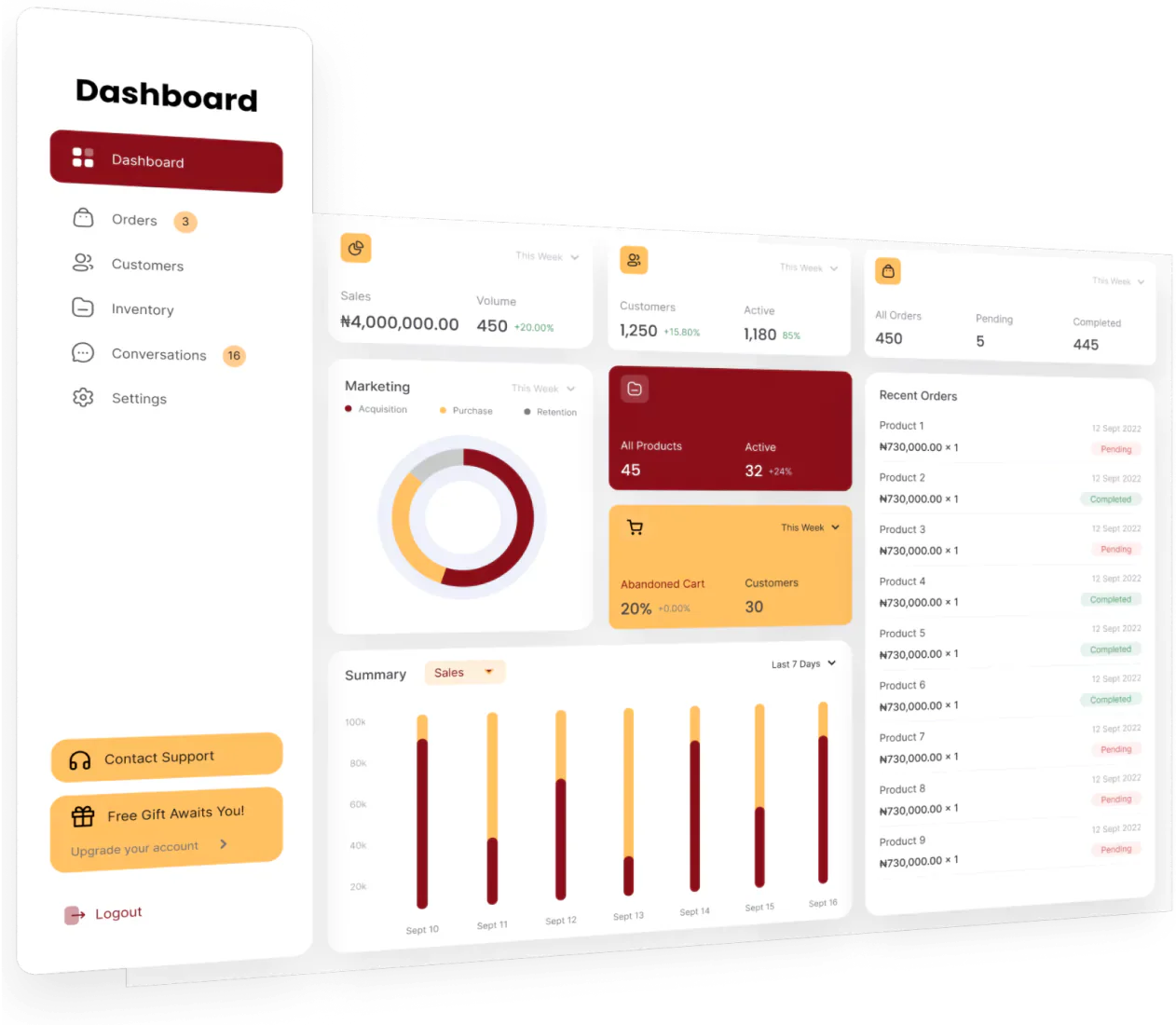
HashMicro software offers an efficient and comprehensive solution to streamline the ESG score calculation process. The software’s advanced features simplifies data collection, analysis, and reporting, helping companies accurately assess their environmental, social, and governance performance. Here are some key features that make HashMicro an ideal tool for ESG score calculation:
- Automated data collection: HashMicro automatically gathers data from multiple sources, reducing the manual effort required and ensuring more accurate and up-to-date information for ESG assessments.
- Customizable metrics: The software allows companies to customize the ESG metrics that are most relevant to their operations, providing a tailored approach to measuring performance across environmental, social, and governance factors.
- Real time reporting: With real-time data reporting, HashMicro enables companies to track and analyze their ESG performance continuously, helping identify areas for improvement and ensuring compliance with sustainability goals.
- Integrated analysis tools: The software has built in analytical tools that help businesses assess their ESG data in depth, providing clear insights and visualizations to support decision-making.
- Seamless integration: HashMicro integrates smoothly with existing business systems, making it easy to incorporate ESG tracking into day-to-day operations without disruptions.
By using HashMicro software, companies can simplify the complex process of calculating ESG scores, ensure accurate assessments, and improve their overall sustainability efforts.

Conclusion
Maintaining a strong ESG score is crucial for companies aiming to remain competitive and responsible. A high ESG score enhances reputation, attracts ethical investors, mitigates risks, and ensures long-term sustainability.
HashMicro’s ERP software offers an effective solution to streamline ESG tracking and reporting. Our platform integrates seamlessly with your operations, providing real-time analytics and customizable features to help improve your ESG performance.
Sign up for a free demo today and discover how HashMicro’s ERP software can simplify ESG management and support your sustainability goals.
FAQ ESG Score
Why is ESG important?
Environmental, social and governance (ESG) is a set of standards for how a company operates in regard to the planet and its people. ESG is important because socially conscious investors now use ESG criteria to screen potential investments.
What is the risk of ESG?
ESG Risks are those arising from Environmental, Social and Governance factors that a company must address and manage. These risks are a combination of threats and opportunities that can have a significant impact on an organisation’s reputation and financial performance.
What are ESG principles?
ESG stands for environmental, social, and governance. ESG investing refers to how companies score on these responsibility metrics and standards for potential investments. Environmental criteria gauge how a company safeguards the environment.