














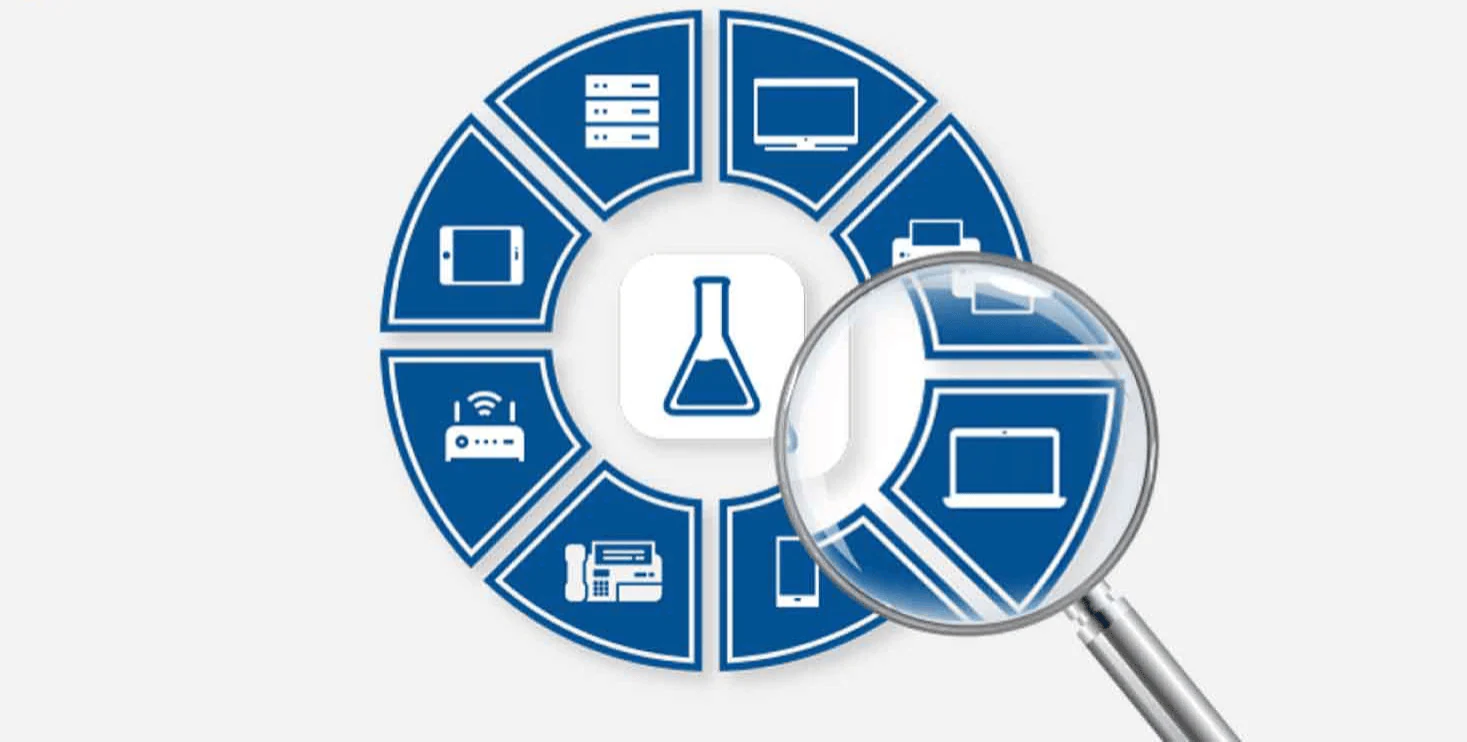
Asset Management Software gives you a clear view of the location and condition of your assets throughout their lifecycle. This enables you to make informed and timely decisions about your assets, reduce the cost of repairing or replacing unnecessary assets, improve asset efficiency, and save time, effort, and money.
- Increase Asset Visibility
- Identify and Erase Ghost Assets
- Access Asset Management Data From the Cloud at any time
- Track Equipment, Staff, Vehicles, and Facilities in Real-Time
- Accelerate Maintenance Planning
- Essential Features of Asset Management
- Why Use an Asset Management Software?
- What Does Asset Management Software Do?
- Conclusion
Increase Asset Visibility with Asset Management Software
For businesses that rely on the performance of their assets, an efficient asset management system is essential and can offer several key benefits. Locating devices and tools in seconds to help reduce costs and speed up maintenance operations.
While manual methods such as Excel or Spreadsheets are sufficient, asset-intensive operations can only truly realize asset management’s benefits through sophisticated digital tools.
Identify and Erase Ghost Assets
A ghost asset is an asset that appears in the asset book and cannot be physically described. These may be lost, stolen, or incorrectly recorded devices that remain in the system.
An asset management system with features such as real-time tracking can help automatically identify and eliminate troublesome ghost assets. That means you don’t have to pay taxes or excessive premiums for assets that don’t exist.
Access Asset Management Software Data From the Cloud at any time
A cloud-based asset management system offers all employees a wide range of capabilities. First and foremost, anyone in your company can access your entire inventory of assets anytime, anywhere, unlike other non-cloud-based methods like spreadsheets.
You can access your asset management system on your mobile device via the mobile app or dedicated website. This allows users to view, update, and modify their asset books offsite. This means field workers, asset managers, inventory managers, and maintenance technicians can access the data they need to complete their jobs.
You can also update your data on the go using mobile devices with built-in QR codes, barcode scanners, and cameras.
Track Equipment, Staff, Vehicles, and Facilities in Real-Time with Asset Management Software
Fixed assets are the lifeblood of a company. They multiply, come and go, and constantly move around the workplace. This makes real-time asset tracking a key asset management asset.
Many asset-tracking tags and labels are available to businesses to track real-time equipment, vehicles, and inventory. These come from RFID tags, barcodes, QR codes, NFC tags, and GPS trackers. Each tagging option has its advantages, depending on your needs.
Real-time Asset Management tools help Asset Managers ensure their registers are continuously updated with accurate information. Unlike manually editing spreadsheet fields, which can lead to costly mistakes. After all, 88% of all spreadsheets contain at least one error.

Accelerate Maintenance Planning with Asset Management Software
Maintenance is an integral part of asset lifecycle management. Creating efficient maintenance plans is a key benefit of an asset management system. This keeps your assets in optimal operating condition for as long as possible.
Maintenance strategies vary; some engineers prefer a reactive maintenance approach, while others use preventive maintenance. Either way, a good maintenance plan can help:
- Reduce downtime for critical equipment and machinery
- Minimize the cost of emergency repairs and downtime
- Improve system uptime
- Extend the life of your assets
Also Read: 5 Effective Asset Management Tips for Improving Business Efficiency
Essential Features of Asset Management Software

Source: scnsoft.com
Asset management software has several important features to look out for. Those are:
-
Maintenance plan
Asset management system integrated with a robust asset management engine provides comprehensive tools to track and manage assets effectively. These tools can include maintenance schedules, job assignments, and options for field workers or volunteers to update maintenance job status.
-
Lifecycle management
Full lifecycle management gives you a clear view of your assets at every stage so you can make informed and timely decisions. Asset management software must integrate with tools tracking assets throughout their lifecycle, from acquisition to disposal.
-
Real-time tracking
Asset tracking is an important part of asset management. Real-time asset tracking helps businesses make timely decisions and avoid unnecessary repair or replacement costs. The best asset-tracking software will give you real-time tracking of your assets, allowing you to know their location and condition.
-
Detailed report
Detailed reports provide the insight you need to make informed decisions about your assets, from use and maintenance to procurement and disposal. An intelligent, easy-to-use asset management system provides detailed asset insight and enables comprehensive, real-time reporting that helps businesses make informed decisions.
-
Seamless workload distribution
Facility maintenance tasks often need to be assigned to field workers or volunteers. Distributing jobs manually can be difficult and time-consuming. Asset maintenance software must seamlessly distribute jobs to field workers and volunteers, saving time and effort.
-
User-friendly interface
An easy-to-use asset management system can save your employees time and training. Look for asset management software with intuitive dashboards and a self-explanatory user interface. These features enable staff to navigate the software and perform necessary maintenance tasks easily.
-
Mobile compatibility
Mobility is important for field workers and volunteers. Asset management software offers mobile compatibility so that field workers can use the software on the go and provide real-time updates about the asset management jobs they are performing.
Why Use an Asset Management Software?
- To get a faster return on your investment in assets
- Provides measurable improvements in operational efficiency for everyone involved
- Reduce costs by analyzing good and bad assets
- Reduce the administrative burden of creating complex reports
- Provides a higher level of compliance
- Manage risk better
What Does Asset Management Software Do?
The right asset management software can help you collect and analyze data about your assets to make informed decisions. By tracking all the details of these laptops in our asset management system, we can see the cost-effectiveness of buying different brands from acquisition to disposal.
Additionally, your asset management system must be deployable throughout the organization’s many divisions, sites, and facilities. All use the same program and access the same real-time data. This helps reduce capital and operating costs.
Conclusion
Your assets are important to your organization. From installation to maintenance to repair, Asset Management presents a high degree of complexity. However, choosing the best Asset Management Software can make managing your asset easier.
With HashMicro, you can maximize control of your assets with an Asset Management System. Track asset usage, plan maintenance, calculate ROI and costs and automatically understand asset value. You can start HashMicro’s Asset Management Software demo for free now.