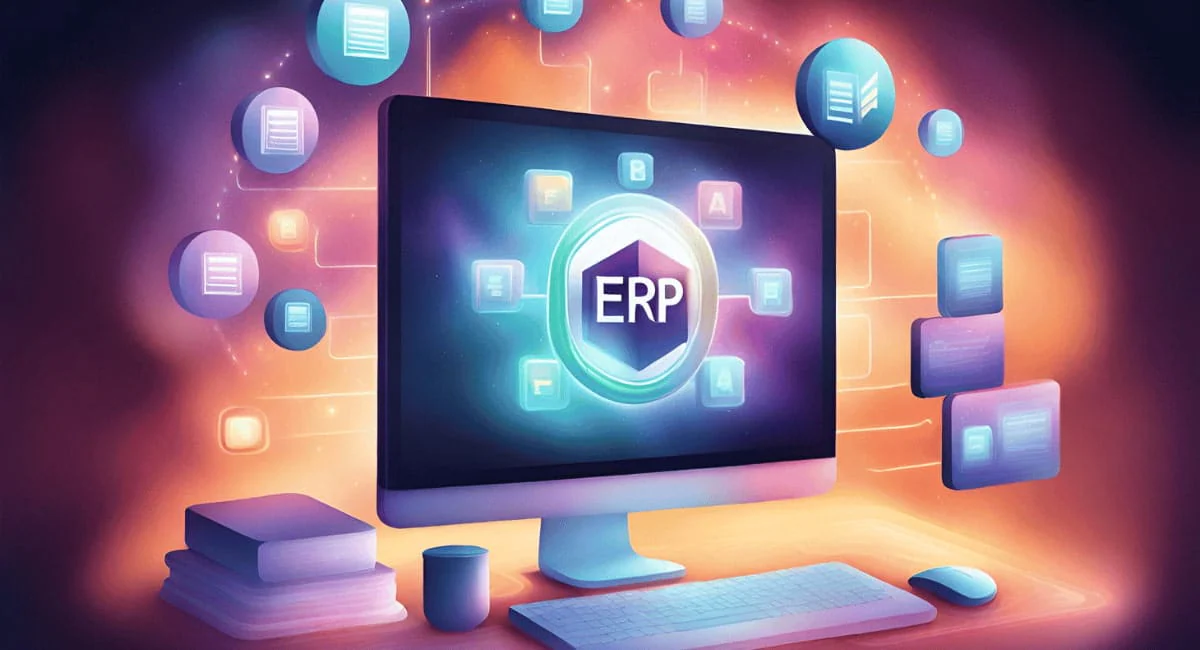
















In today’s fast-paced and interconnected business landscape, companies face the challenge of managing complex operations, streamlining workflows, and integrating various departments seamlessly. ERP software emerges as a powerful solution, enabling organizations to achieve efficiency, optimize processes, and make data-driven decisions. Companies can take advantage of the many types of ERP software in the market.
With a plethora of options available, it is crucial for companies to understand the different types of ERP software, their unique benefits, and the implementation strategies that best align with their specific needs. In this article, we will explore the diverse landscape of ERP software, the benefits they have, and provide insights into successful implementation strategies.
What is ERP Software?
ERP (Enterprise Resource Planning) software refers to a suite of applications that streamline various business processes within an organization. It serves as a centralized system that facilitates the management of core functions, including finance, human resources, supply chain, inventory, and sales.
The software has features that enable real-time monitoring and analysis of key performance indicators. Utilizing it has helped companies of all sizes improve productivity, enhance data accuracy, and increase operational efficiency. Furthermore, ERP systems offer customizable modules and features. This allows companies to adjust the system according to their unique needs and requirements.
Types of ERP Software

There are many types of ERP software available in the market. Therefore, it is crucial for companies to thoroughly evaluate their requirements, scalability needs, and budget constraints when selecting ERP software. Below are some of the well-known types of ERP software you should know of.
General-purpose ERP
These ERP systems offer a wide range of functionalities and can be customized to suit the needs of various industries and business types. They provide modules for finance, human resources, supply chain management, inventory management, sales, and customer relationship management (CRM). Examples include SAP ERP, Oracle ERP Cloud, and Microsoft Dynamics 365.
Industry-specific ERP
These ERP systems are designed specifically for certain industries, incorporating industry-specific features and best practices. They offer pre-configured modules tailored to meet the unique needs of sectors such as manufacturing, healthcare, retail, construction, and hospitality. Examples include Epicor ERP, Infor CloudSuite, and Syspro.
Small and medium enterprises (SME) ERP
These ERP systems are specifically developed for small and medium-sized enterprises with limited budgets and resources. They typically offer essential functionalities like accounting, inventory management, and basic CRM. They are often more affordable and easier to implement compared to larger-scale ERP solutions. Examples include Sage 300, NetSuite, and QuickBooks Enterprise.
Cloud-based ERP
Cloud-based ERP software is hosted and managed on remote servers by the ERP vendor. This type of ERP offers the advantage of accessibility from anywhere with an internet connection and eliminates the need for on-premises hardware and software maintenance. It is particularly beneficial for companies that prioritize scalability, flexibility, and cost-effectiveness. Examples include Acumatica, Workday, and Plex.
Benefits of Utilizing ERP Software
Companies that utilize ERP software properly could stand to benefit immensely from it. However, you must also remember that the specific benefits of ERP software can vary. It will depend on the company’s unique needs, industry, and implementation approach. Here are some of the key benefits of ERP software:
Streamlined operations
ERP systems integrate and automate various business processes, such as finance, procurement, inventory management, production planning, sales, and human resources. This integration eliminates manual data entry, reduces duplication of efforts, and streamlines workflows, resulting in improved efficiency and productivity.
Enhanced data management
ERP software provides a centralized database that stores and manages all business data. This enables real-time access to accurate and up-to-date information across departments, eliminating data silos and ensuring data integrity. It facilitates better decision-making, forecasting, and reporting based on comprehensive and reliable data
Improved collaboration and communication
ERP systems facilitate better collaboration and communication among different departments and teams. With shared access to a centralized database, employees can collaborate on projects, share information, and communicate more effectively. This leads to improved coordination, faster response times, and better customer service.
Increased visibility and reporting
ERP software provides comprehensive reporting and analytics capabilities, allowing companies to gain insights into various aspects of their operations. Users can generate customized reports, track key performance indicators (KPIs), and monitor metrics in real time. This visibility enables informed decision-making, identifies bottlenecks, and supports continuous improvement.
Cost savings
ERP software helps companies reduce costs through improved operational efficiency, optimized inventory management, better resource utilization, and streamlined processes. It eliminates the need for manual data entry, reduces paperwork, minimizes errors, and improves inventory control, leading to cost savings and increased profitability.
Implementing ERP Software
Implementing ERP software is a complex process that must be executed carefully. There are a few steps to this. First, a company will have to define its objective and the specific goals they aim to achieve with the ERP implementation. Then, they should select the right ERP system that suits their organization’s needs and requirements. They should also decide on a budget plan.
After that, the company should migrate its data to ensure a smooth transition from its old system to the new ERP system. The next steps are deploying the ERP system, then customizing and configuring the new settings. The company must also train its employees to use the ERP system effectively. The last step is post-implementation support, in which a company employs a professional to monitor the system’s performance after its deployment.
Conclusion
In conclusion, understanding the various types of ERP software and their associated benefits is crucial for companies looking to optimize their operations. The implementation of an ERP system requires careful consideration and planning to ensure a successful integration. By investing in the right ERP solution and effectively implementing it, companies can position themselves for growth and success.
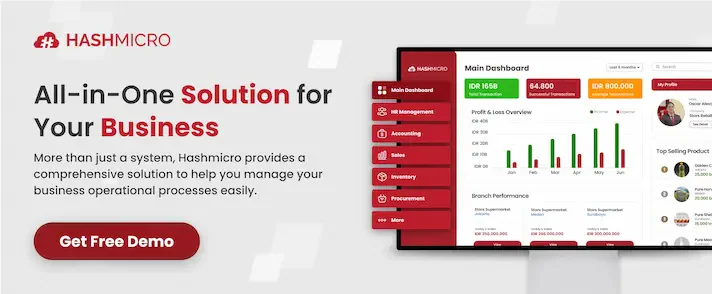
A great ERP system that should be your top choice is HashCore ERP from HashMicro. This comprehensive software provides a centralized platform to streamline many processes, including finance, accounting, and human resources. Companies will be able to easily customize it according to their specific needs. Schedule a free demo today and achieve your organizational goals with this ERP system!