















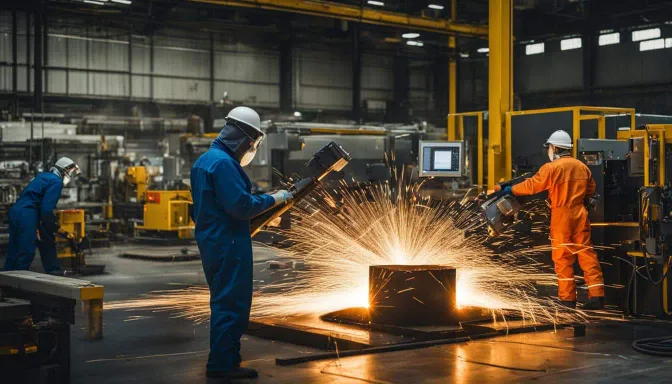
Downtime might have a significant impact on your operations and bottom line. By implementing preventive maintenance practices, you can proactively safeguard your equipment, minimize disruptions, and optimize efficiency in your manufacturing processes.
Preventive maintenance involves regular inspections, servicing, and repairs to prevent issues before they occur. It goes beyond reactive maintenance, where you wait for breakdowns and address them retrospectively. With preventive maintenance, you can identify potential problems early on and take corrective actions, reducing the risk of major breakdowns and costly repairs.
Efficiency is the key to success in the manufacturing industry, and preventive maintenance plays a crucial role in ensuring smooth operations. By adopting a comprehensive manufacturing system, you can minimize downtime, improve equipment reliability, and optimize productivity. Whether you operate a small-scale facility or a large manufacturing plant in Singapore, implementing preventive maintenance practices can help drive your business forward.

Key Takeaways
Preventive maintenance is a proactive approach that aims to prevent issues before they occur.
Regular inspections and maintenance can minimize downtime and optimize efficiency.
Implementing preventive maintenance practices can improve equipment reliability and extend their lifespan.
Proactively addressing potential issues reduces the need for costly emergency repairs or replacements.
Preventive maintenance creates a safer working environment by identifying and resolving potential safety hazards.
Understanding Preventive Maintenance
Preventive maintenance is a proactive approach to equipment maintenance that plays a crucial role in ensuring smooth operations in the manufacturing sector. By regularly inspecting, servicing, and repairing equipment at scheduled intervals, manufacturers can strengthen preventive maintenance for manufacturing equipment to prevent unexpected breakdowns and minimize disruptions to their operations.
What is preventive maintenance?
Preventive maintenance involves conducting routine checks and maintenance activities to identify and address potential issues before they lead to equipment failures or disruptions. This preventive approach focuses on keeping equipment in optimal condition and extending its lifespan.
Implementing preventive maintenance requires following maintenance schedules and conducting regular inspections of equipment. By adhering to planned maintenance activities, manufacturers can proactively address minor issues before they escalate into major breakdowns, reducing downtime and production losses.
Benefits of preventive maintenance
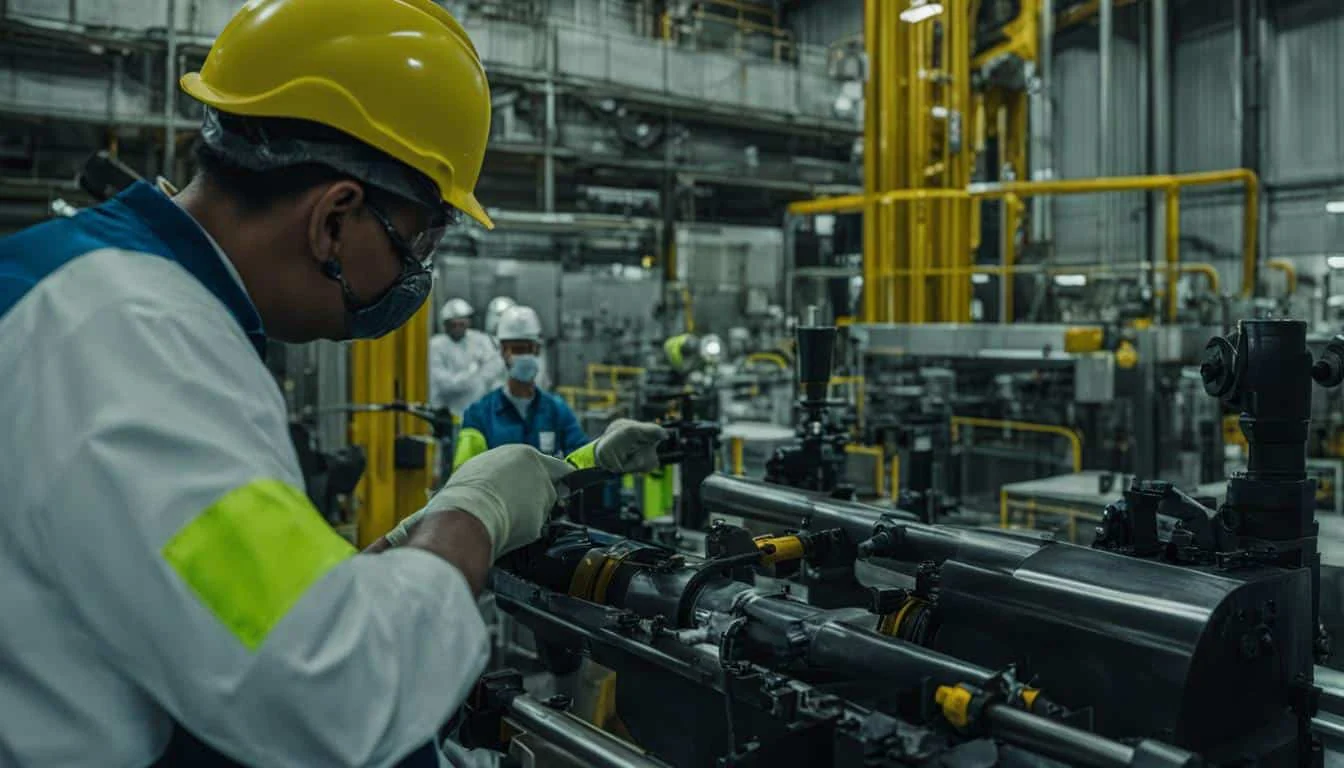
Next, there are significant benefits to implementing preventive maintenance practices in the manufacturing industry. By conducting regular inspections and addressing minor issues promptly, manufacturers can prevent major breakdowns that can lead to significant downtime and production losses.
This proactive approach to maintenance also helps save costs by avoiding expensive emergency repairs or replacements. By minimizing disruptions in operations, preventive maintenance ensures the continuity of production and minimizes the negative impact on product quality and customer satisfaction.
Furthermore, preventive maintenance improves overall equipment reliability and effectiveness. By keeping equipment in optimal condition, manufacturers can increase productivity and efficiency, leading to improved operations and cost savings in the long run.

Need to Know
The Significance of Preventive Maintenance
Preventive maintenance plays a crucial role in ensuring equipment reliability in the manufacturing sector. By regularly inspecting and maintaining equipment, manufacturers can identify and address potential issues before they escalate into major failures. This helps improve equipment efficiency, reduces unplanned downtime, and ensures that the machinery operates at optimal levels throughout its lifespan.
Role in equipment reliability
Preventive maintenance is essential for maintaining equipment reliability in manufacturing. By conducting regular equipment inspections and maintenance activities, manufacturers can detect and resolve minor issues before they lead to significant failures. This proactive approach ensures that the machinery operates smoothly and reliably, minimizing disruptions and maximizing productivity.
Enhancing workplace safety
Another significant benefit of preventive maintenance is its role in enhancing workplace safety. Regular inspections and maintenance activities help identify and correct potential safety hazards before they cause accidents or injuries. By following preventive maintenance practices, manufacturers create a safer working environment for their employees, reduce the risk of workplace incidents, and uphold workplace safety standards.
Varieties of Preventive Maintenance
Preventive maintenance encompasses various approaches to ensure the optimal performance and longevity of manufacturing equipment. By implementing different types of preventive maintenance, manufacturers can proactively address potential issues and reduce downtime. Here are the three different types of preventive maintenance.
Mandatory / Non-Mandatory Tasks
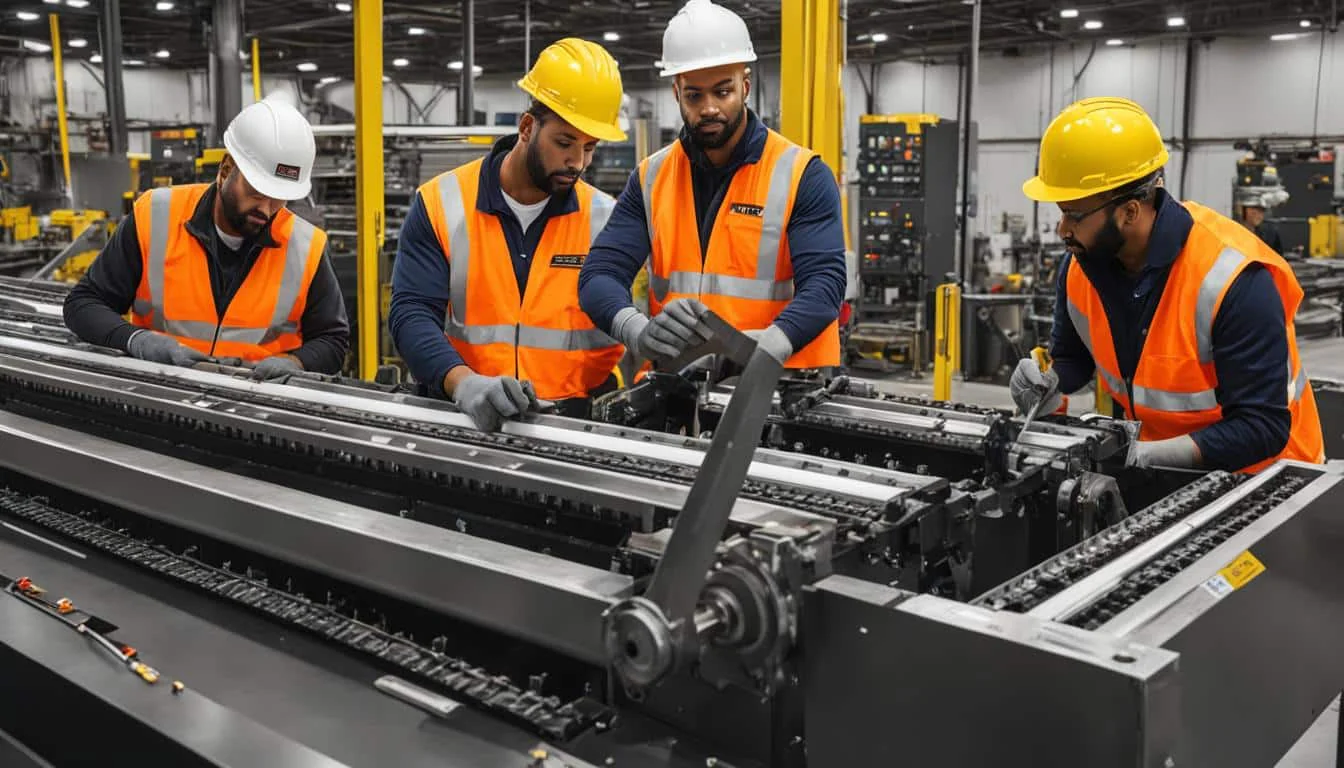
Mandatory tasks are the ones that demand immediate attention upon their due date, often encompassing safety-critical checks that leave no room for delay. On the other hand, non-mandatory tasks, though essential, offer a degree of flexibility as they can be deferred without causing critical failures or performance setbacks. To optimize maintenance efforts, a well-structured preventive maintenance checklist must categorize these tasks into mandatory and non-mandatory, ensuring a proactive approach to equipment upkeep.
Pyramiding vs. Non-Pyramiding Tasks
Pyramiding tasks occur when scheduled maintenance is not completed on time and overlaps with a subsequent maintenance schedule. In such cases, the previous task is canceled, accompanied by a note explaining the cancellation, and the new task includes the original due date for monitoring overdue tasks. Conversely, some companies opt for a non-pyramiding approach, which eliminates the need to note the original missed task and simply takes the new date as the baseline for maintenance, streamlining the process for greater efficiency and clarity.
Inspection and Task-Oriented Tasks
When it comes to preventive maintenance, there are two primary approaches: inspection tasks and task-oriented tasks. Inspection tasks involve thorough checks and assessments before any identified issues are converted into work orders for planned maintenance, ensuring that problems are promptly addressed. In contrast, task-oriented preventive maintenance goes a step further, allowing for minor repairs and adjustments to be tackled on the spot during the inspection process. For that, this proactive approach minimizes the need for additional work orders, streamlining maintenance efforts and maximizing equipment reliability.
Implementing a combination of these preventive maintenance varieties allows manufacturers to take a holistic approach to equipment monitoring and maintenance. By regularly inspecting, analyzing, and predicting maintenance needs, manufacturers can significantly enhance equipment reliability, minimize downtime, and maximize productivity in the manufacturing setting.
What is Planned Preventive Maintenance (PPM)?
Planned preventive maintenance (PPM) is a systematic approach to maintenance that involves creating a detailed plan and schedule for preventive maintenance activities. Manufacturers develop a preventive maintenance plan that outlines the specific tasks, intervals, and resources required for each maintenance activity. By following a PPM approach, manufacturers can ensure that preventive maintenance activities are conducted on time, minimizing the risk of unexpected breakdowns and optimizing equipment performance.
How to Create a Preventive Maintenance Plan
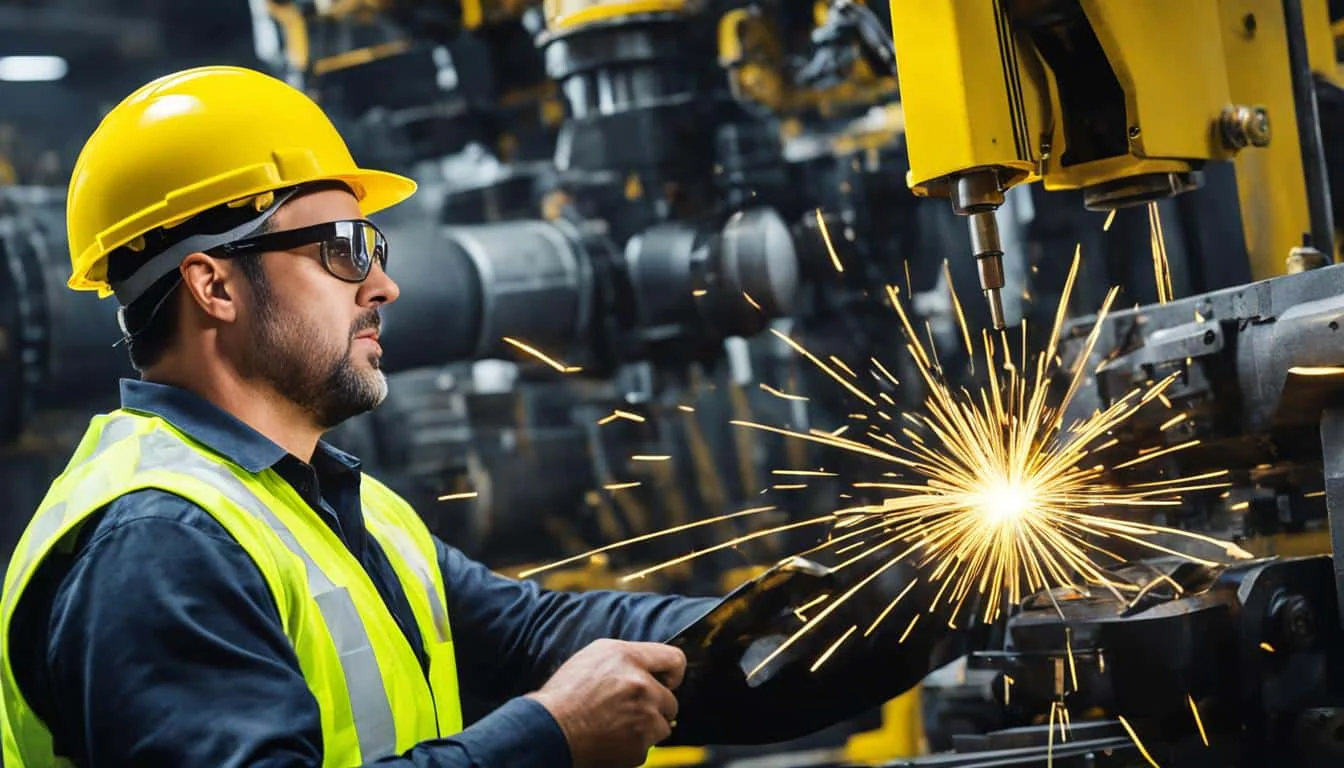
Creating an effective preventive maintenance plan is crucial for manufacturers to ensure the optimal performance and longevity of their equipment. A well-defined plan helps minimize unplanned downtime, reduce maintenance costs, and ensure the overall efficiency of operations. Follow these key steps to develop a comprehensive preventive maintenance plan:
Assessing equipment needs
Begin by assessing the maintenance requirements of your equipment. Identify critical assets that require regular maintenance and determine the specific tasks and intervals needed to keep them in optimal condition. Conduct equipment audits, review historical maintenance data, and consult with equipment vendors or maintenance experts to gather the necessary information. Then, this assessment will serve as the foundation for your preventive maintenance plan.
Establishing maintenance schedules
Once you have assessed your equipment needs, establish maintenance schedules based on the determined requirements. These schedules should consider equipment manufacturers’ recommendations, industry standards, and operational requirements. Outline the frequency, tasks, and resources needed for each maintenance activity to ensure compliance with the planned maintenance activities. You can use preventive maintenance software or tools to streamline the scheduling process and ensure timely maintenance.
Implementation and review
Implementing your preventive maintenance plan involves assigning responsibilities to maintenance personnel, providing necessary training, and effectively communicating the plan throughout the organization. Designate specific individuals or teams to execute the scheduled maintenance tasks and ensure they have the knowledge and resources required to do so effectively. Regularly review and evaluate the plan’s effectiveness to identify areas for improvement. Analyze maintenance data, gather feedback from technicians, and monitor emerging trends to refine and optimize your preventive maintenance plan over time. Constant evaluation and improvement are key to achieving continuous improvement in equipment maintenance.
Preventive Maintenance Plan Software: HashMicro as Solution
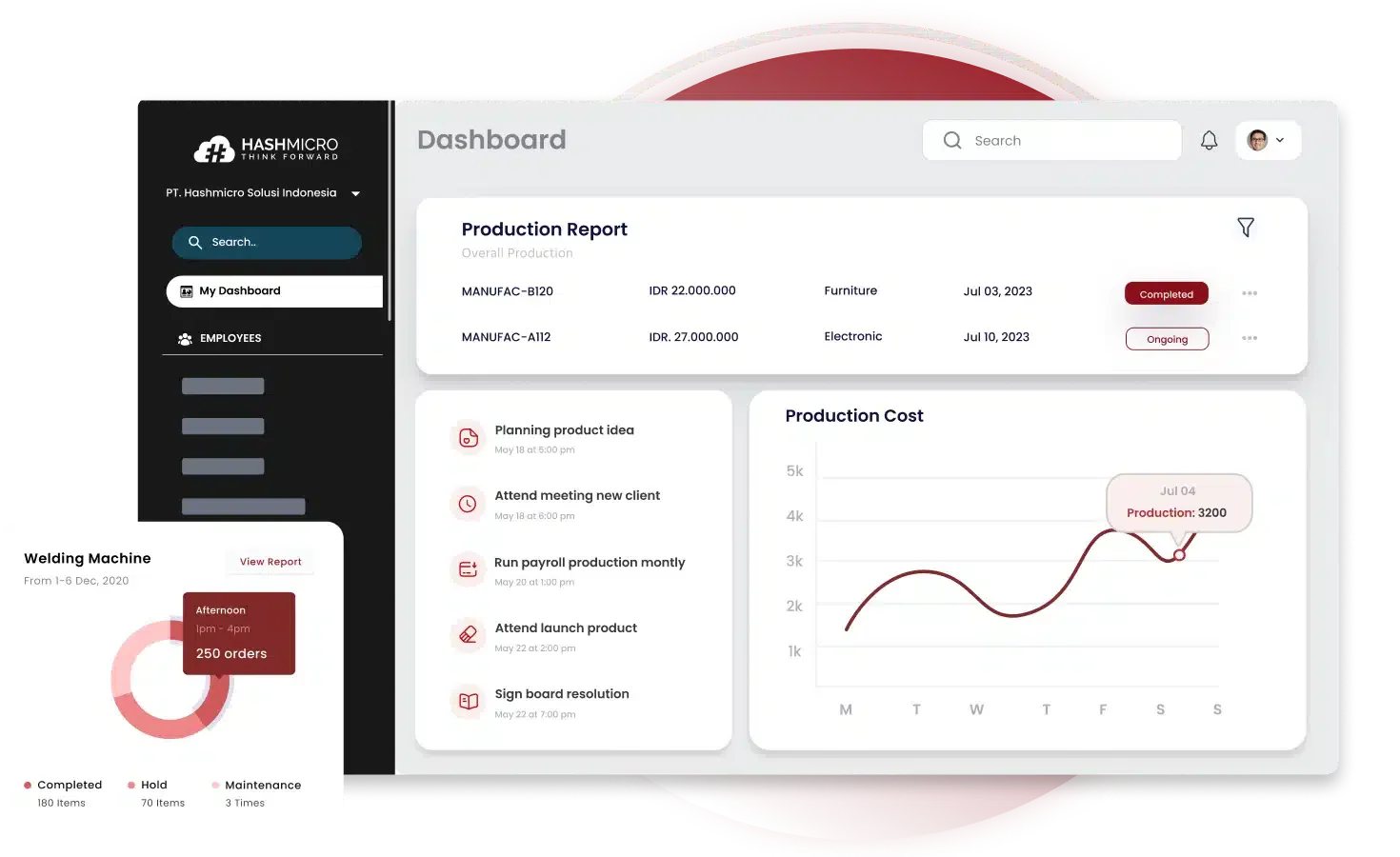
To effectively manage preventive maintenance activities, manufacturers can utilize dedicated preventive maintenance plan software like HashMicro. HashMicro offers a comprehensive maintenance management software solution that helps streamline maintenance processes, track maintenance schedules, manage work orders, and analyze equipment performance data.
HashMicro Manufacturing software is a cutting-edge Enterprise Resource Planning (ERP) solution tailor-made for manufacturing industries. It seamlessly integrates various facets of your manufacturing business, from inventory management and production scheduling to financials and human resources.
Key Advantages:
- Predictive Maintenance: HashMicro’s software harnesses the power of data analytics and IoT (Internet of Things) sensors to predict potential equipment failures before they occur. By continuously monitoring machine performance, it can identify abnormal patterns or wear and tear, allowing you to schedule maintenance proactively. This approach minimizes unexpected downtime and costly breakdowns, ensuring that your production lines operate at peak efficiency.
- Streamlined Work Orders: The software provides a centralized platform for creating, assigning, and tracking maintenance work orders. Maintenance teams can access real-time information on equipment status, repair history, and required spare parts, streamlining the entire maintenance process. This ensures that tasks are completed promptly and efficiently.
- Spare Parts Management: HashMicro Manufacturing software offers advanced inventory management capabilities, allowing you to maintain optimal levels of spare parts and consumables. Automated reorder points and stock level alerts prevent stockouts and overstocking, reducing costs and ensuring that necessary parts are always on hand for preventive maintenance.
- Historical Data and Analytics: With HashMicro, you can maintain a comprehensive historical record of equipment maintenance and performance data. This valuable information enables you to identify trends, evaluate the effectiveness of your preventive maintenance program, and make data-driven decisions to further enhance equipment reliability.
- Cost Reduction: By proactively addressing equipment issues and minimizing unplanned downtime, HashMicro Manufacturing software helps reduce maintenance costs and extend the lifespan of your assets. This cost-effectiveness ultimately contributes to improved profitability for your manufacturing business.
- Compliance and Documentation: The software facilitates compliance with industry regulations and standards by providing documentation and reporting tools that assist in tracking maintenance activities. This ensures that your operations adhere to safety and quality requirements, mitigating risks and liabilities.
To learn more about HashMicro manufacturing software, you can download the price scheme below.


Conclusion
Preventive maintenance is a crucial practice in the manufacturing sector that can significantly improve efficiency, reduce costs, and minimize downtime. By implementing a proactive maintenance strategy, you can address potential issues before they escalate, ensuring smooth operations and maximizing productivity.
Understanding the different types of preventive maintenance, such as time-based maintenance, condition-based maintenance, and predictive maintenance, allows you to tailor your maintenance approach to the specific needs of your equipment. You can optimize maintenance efforts and prevent unexpected breakdowns by conducting regular inspections, monitoring equipment conditions, and leveraging advanced data analytics.
Implementing preventive maintenance plan software, like HashMicro Manufacturing Software, can further streamline maintenance processes and ensure timely compliance with preventive maintenance activities. Get a free demo now!