
















In my experience in logistics and supply chain operations, inventory and warehouse management are both essential for handling large stock volumes efficiently. These systems ensure smooth operations and accurate control over goods movement.
Many businesses still confuse the two; inventory management tracks stock levels, while warehouse management focuses on storage and movement. Understanding how they work together can significantly improve efficiency and cut costs.
In this article, I’ll discuss inventory management vs warehouse management and how ERP integration enhances operations in Singapore. Ready to optimize your workflow? Try HashMicro’s free demo today.
Key Takeaways
Inventory management focuses on stock levels and production usage, while warehouse management oversees the storage and movement of goods.
Both inventory management and warehouse management are vital for maintaining efficient operations and reducing excess costs, which directly impacts customer satisfaction and overall business success.
Effective use of Inventory Management Software and Warehouse Management Software is essential for optimizing logistics and supply chain operations.

Introduction to Inventory Management and Warehouse Management
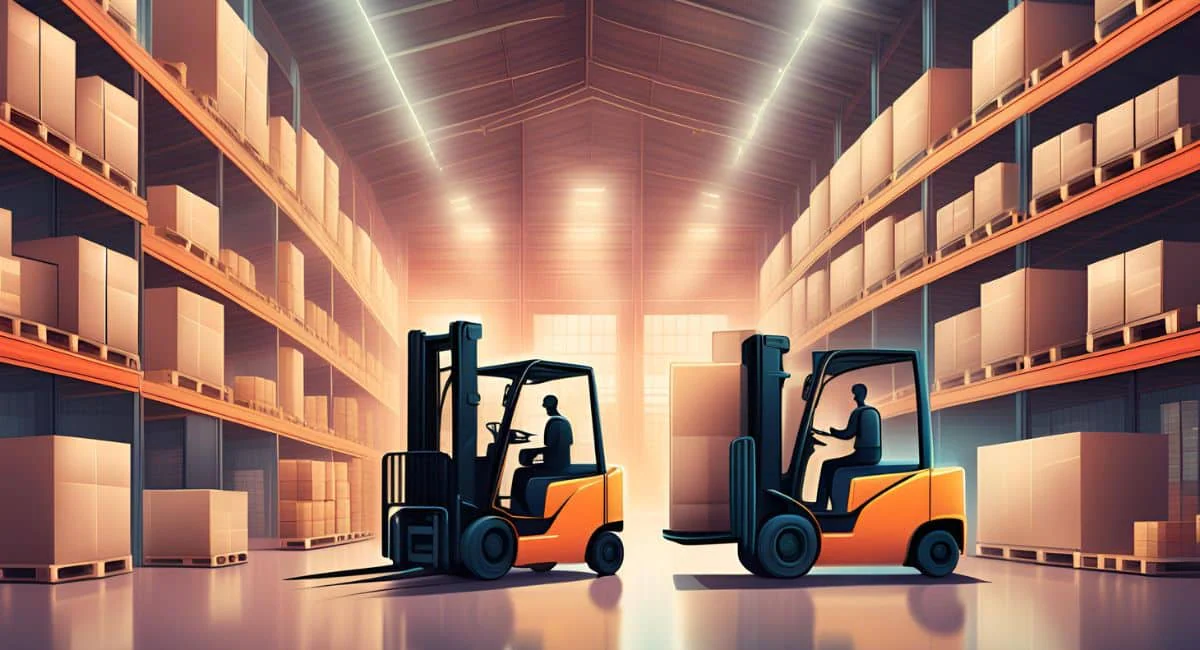
Inventory management and warehouse management are essential components in the logistics and supply chain sector, especially for businesses handling significant amounts of stock.
While both are integral to ensuring that products are stored and delivered efficiently, they each focus on different aspects of the supply chain process. Managing stock effectively requires a clear understanding of both systems for smooth operations and cost control.
What is Inventory Management?
Inventory management oversees the ordering, storage, and use of materials and products to ensure the right items are available at the right time. It also involves forecasting demand, managing suppliers, and optimizing reordering and production schedules.
By using accurate inventory reports, businesses can reduce excess stock, prevent stockouts, and maintain healthy cash flow. Effective management ensures customer satisfaction and supports overall operational efficiency.
Core Elements of Inventory Management
Key components of an inventory management system include tracking stock levels, managing replenishment, and forecasting demand using historical data. Effective inventory management ensures businesses meet customer needs without overstocking or wasting capital.
Inventory Management Software automates ordering, tracks inventory in real time, and provides analytics for data-driven decisions. Barcode integration enhances accuracy and can be tailored to various industries like retail, manufacturing, and distribution.
What is Warehouse Management?
Warehouse management oversees the receipt, storage, and movement of goods within a warehouse to ensure smooth operations. It focuses on efficiency in picking, packing, shipping, and tracking inventory to meet customer demand.
An effective warehouse management system automates these processes and optimizes space, labor, and equipment use. This reduces operational costs, minimizes errors, and improves overall accuracy and delivery performance.
Essential Principles of Warehouse Management
The core principles of warehouse management include efficient space utilization, streamlined inventory handling, and timely product delivery. Implementing warehouse management systems automates these processes and enhances overall operational efficiency.
By optimizing picking, packing, and real-time tracking, businesses can reduce costs and improve order accuracy. Investing in advanced inventory and warehouse management software helps achieve greater efficiency and customer satisfaction.
Curious about the pricing schemes? Click the banner below to explore customized plans that fit your business needs and start your journey toward smarter inventory and warehouse management today!


Inventory Management vs Warehouse Management: A Detailed Comparison
Understanding the key differences between inventory management and warehouse management is essential for businesses aiming to optimize their logistics operations. Below is a detailed comparison:
| Aspect | Inventory Management | Warehouse Management |
| Focus | Manages stock levels, orders, and forecasts | Oversees storage, handling, and movement of goods |
| Scope | Broader, involves all locations where inventory is held | Narrower, focused on warehouse operations |
| Technology | Often integrated with Inventory Management Software | Utilises Warehouse Management Systems |
| Objective | Maintain optimal stock levels to meet demand without excess. | Efficiently store and distribute products |
| Integration | Can be integrated with ERP and Logistics Management Software | Integrated with warehouse operations and delivery management systems |
Commonalities Between Inventory Vs Warehouse Management
Despite their differences, inventory management and warehouse management share several similarities. Both systems are crucial for ensuring that businesses can meet customer demand efficiently. Here’s how they compare:
| Aspect | Inventory Management | Warehouse Management |
| Inventory Tracking | Monitors stock levels across all locations | Tracks inventory movement within the warehouse |
| Efficiency | Aims to reduce overstock and stockouts | Aims to minimize storage and handling costs |
| Technology Integration | Relies on technology for accuracy | Utilises technology for operational efficiency |
| Customer Satisfaction | Ensures products are available when needed | Ensures timely delivery of products |
| Cost Control | Helps manage costs related to excess or insufficient stock | Helps manage costs related to storage and distribution |
Integrating Inventory Management and Warehouse Management with ERP Software

Integrating cloud based inventory management and warehouse management with ERP software can significantly enhance operational efficiency. ERP systems allow businesses to automate and streamline both inventory handling and warehouse operations, providing a unified view of the entire supply chain.
This integration is particularly beneficial in industries such as delivery trading and manufacturing, where precise inventory management and efficient warehouse operations are critical to success.
Moreover, using Inventory Management Software and Logistics Management Software as part of an integrated ERP system can provide businesses with a comprehensive solution that addresses both inventory and warehouse management needs.
“Inventory management vs warehouse management isn’t about choosing one over the other; it’s about integration. While inventory management tracks stock levels and accuracy, warehouse management optimizes storage, movement, and fulfillment. Together, they ensure seamless supply chain efficiency.”
— Angela Tan, Regional Manager
Conclusion
In conclusion, understanding the differences and similarities between inventory management vs warehouse management is vital for optimising supply chain operations. Both systems play crucial roles in ensuring that businesses can meet customer demand efficiently while controlling costs.
Consider implementing HashMicro’s Inventory Management Software and Warehouse Management System. These solutions are designed to integrate seamlessly with your existing systems, offering real-time insights, automated processes, and enhanced operational efficiency.
Whether you need to streamline inventory tracking, optimize warehouse operations, or manage logistics, HashMicro has the tools to support your growth. Ready to see how it works? Try a free demo today below and discover how HashMicro can transform your business!
Frequently Asked Questions
-
What is the importance of warehousing and inventory management?
Managing the storage of raw materials or finished goods involves costs for any business. Inventory and warehousing management systems play a crucial role in minimizing these costs by accurately determining the necessary amount of materials a company should keep in stock at all times.
-
What is the primary function of inventory management?
The main function of inventory management is to enable businesses to efficiently oversee the ordering, stocking, and storing of their inventory. Managing inventory effectively, businesses can keep track of what items are available, their quantities, and their exact locations within the storage system.
-
What are the five stages of the inventory management process?
What are the five stages of the inventory management process? The five stages of the inventory management process include:
1. Receiving and inspecting products upon arrival.
2. Sorting and stocking products in their appropriate locations.
3. Accepting customer orders for available items.
4. Fulfilling, packaging, and shipping the customer’s order.
5. Reordering new stock to maintain optimal inventory levels. -
What is the role of warehousing and inventory management?
Warehousing and inventory management play a crucial role in ensuring smooth supply chain operations. Warehousing focuses on storing, organizing, and managing goods efficiently, while inventory management tracks stock levels, demand, and replenishment. Together, they help businesses minimize costs, prevent stockouts or overstocking, and ensure timely product availability to meet customer demand.