













Retail Business Singapore – The retail industry is one of the most dynamic industries in the world. With the pace of change fueled by a host of challenges and opportunities, what will be your role as a retailer? In business, challenges do not go away; they must be addressed and managed. They represent opportunities if we handle them with the right business strategy.
ERP software solutions are a promising option for businesses to manage their retail operations and address these challenges effectively. ERP software has recently gained wide popularity in the industrial sector, and for a good reason. The tool allows you to easily and simply manage your company’s resources. To learn more about this software, get the ERP software pricing scheme calculations from HashMicro before implementing the software in your company.
This article points out the challenges you may face in the retail business today and how you can handle those problems effectively using top-notch ERP software designed for the retail industry.
- The Biggest Challenges of Retail Business
- The Roles of ERP Software in Singapore Retail
- Key Features of Retail ERP Software
- Trends of Retail Business in Singapore
- Choosing The Right Software for Your Retail Business
- Conclusion
Also Read: 7 Common Mistakes That Can Ruin Your Retail Business
The Biggest Challenges of Retail Business
The global retail sector is worth more than $20 trillion and is growing quickly after the pandemic. As more people go out, they shop for clothes, groceries, food, accessories, electronics, furniture, and more. This gives retailers a big chance to take advantage of this business growth.
But there are some problems in the retail industry that can slow or stop its growth and expansion. Here are the four most common challenges retail organizations face and how ERP software can help:
Customer acquisition and retention
ERP software deliver a highly comprehensive and feature-rich marketing platform to help businesses acquire customers. Based on the preferences, prior purchases, interactions, history, market trends, and demand. Retailers can now nearly automatically build highly targeted email, mobile, and online campaigns and roll out tailored offers and promotions for gaining new consumers and retaining existing customers.
Optimizing operations
One of the most challenging problems for retailers is managing and optimizing operations. ERP software overcomes this issue by providing merchants with a single, integrated platform for managing their operations. Retailers with multiple locations and outlets can use ERP Software to monitor inventory, sales, and cash flow from a single dashboard. Also, personalization is available to meet each company’s unique requirements.
Unified payments
Customers can easily make card or cash payments, and the main system is automatically updated. Retailers can also control pricing and promotions depending on outlets, brands, and individual products. ERP software makes it easy for retailers to track and keep an eye on all of these payment channels.
Customer experience
ERP software provides a real-time view of inventory across all channels, allowing retailers to place orders for in-demand products and delight their consumers quickly. Integrating data from a store’s channels, touchpoints, and sales locations into a single view. Retailers can better understand their customers and respond to their needs by providing relevant products and prices.
The Roles of ERP Software in Singapore Retail
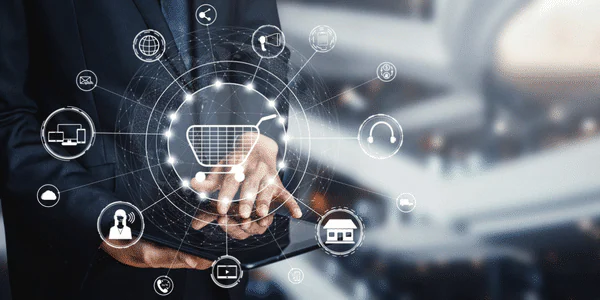
Consumers expect to be able to shop on their phones, on social media sites, and in regular stores. These difficulties are perfectly aligned with the capabilities of retail ERP solutions. This system has a wide range of features that make it easy to navigate between the different channels of an omnichannel retail experience. Also, it enables quick data flow, allowing decision-makers to obtain the best possible outcomes through well-informed, real-time, data-driven decisions.
In conclusion, retail ERP solutions offer your company and customers several advantages and capabilities. Let’s look at how this approach streamlines your everyday activities and how well it corresponds with your goals.
Key Features of Retail ERP Software
Inventory management
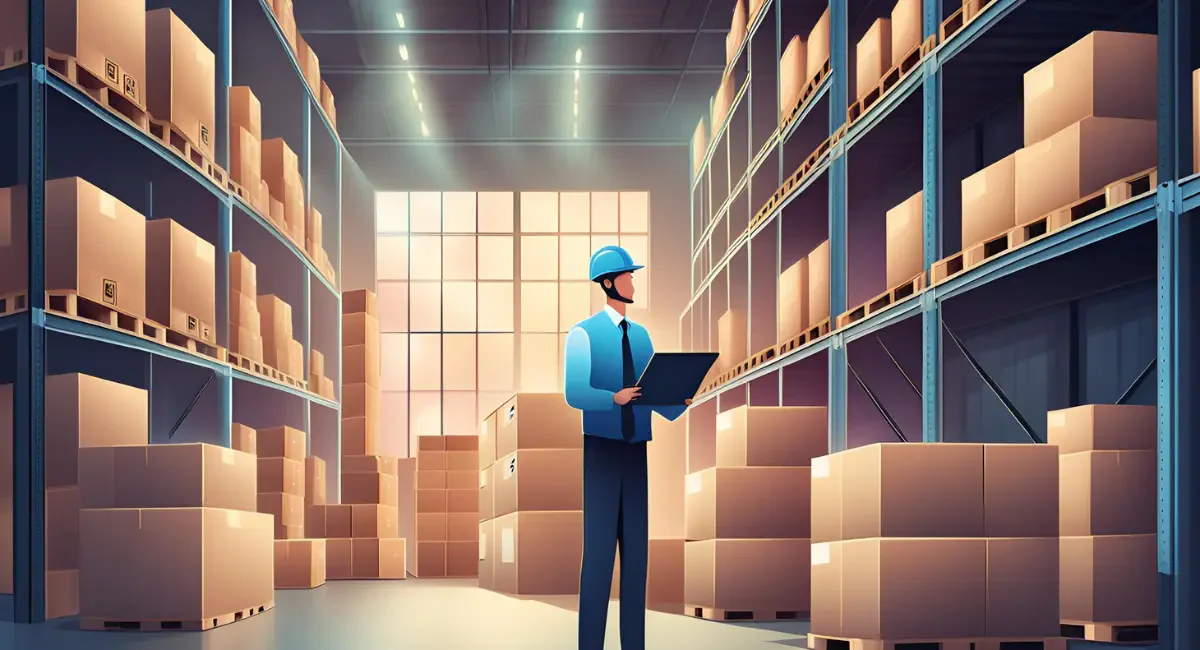
A retail ERP’s inventory management features allow retailers to control the amount of inventory they have on hand, inventory levels, and optimization. They can also control material movements, handle expiration and shelf life, and much more. Aside from this, retailers can get a real-time and accurate view of their stock. This lets them quickly restock their best-selling items and eliminate the ones that sell poorly. Its barcode scanning feature makes taking stock and managing inventory quick and accurate.
Sales and analytics
An ERP retail management system includes a powerful sales and orders dashboard that offers real-time retail analytics and reporting. It makes it easier for retailers to make decisions about sales forecasts, goals, discounts, product prices, etc. They can also make custom reports that can be exported for further analysis and used across business functions. It also enables the gathering and analysis of the store’s sales data, allowing retailers to find the most profitable products and focus their energy on them.
CRM
The Customer Relationship Management (CRM) module of a retail ERP solution gives retailers an integrated and complete view of their customers. This lets them manage customers in a personalized way across all sales channels every time they shop. Now that retailers know their customers’ buying habits, history, feedback, and so on. They can determine their most valuable customers and serve them accordingly.
Warehouse
This feature allows merchants to manage any number of stores and warehouses and connect them to one another or through headquarters. It also lets you assign stores to warehouses for automatic sourcing and divide warehouses into zones and locators for handling materials management.

Trends of Retail Business in Singapore
It is not enough to invest in ERP for retail. There are technological trends to adopt that can facilitate monotonous activities and boost productivity. For those who think new trends are scary, it’s important to know that, like ERP, you must find the technology that works best for your company. Investing in every trend leads to more headaches and problems than it solves.
Personalized solutions
Some companies may not need MA, BI, or BA, but others need accounting and CRM solutions. Customizable solutions can now be made to fit your specific business model. You can customize your system if you require POS, inventory management, or any other functions listed in the preceding section. Some customizations, if not all, may cost more, but they may be well worth the total cost of ownership (TCO).
E-commerce or mobile shopping
There has been a noticeable increase in mobile commerce and online purchasing, also known as e-commerce, in recent years. Due to the COVID-19 pandemic, most people shopped for groceries primarily over the Internet and mobile devices. Before the pandemic, some people probably relied on Amazon and other online retailer giants.
Digital transformation
In a nutshell, digital transformation is when a company uses digital tools to make or change how it works. These activities include everything from standard company practices to support given to customers. Think of it as giving your business a revamp to work with more modern and streamlined solutions.
Choosing The Right Software for Your Retail Business Singapore
Effective ERP integrates company processes to promote collaboration, generate data-driven decisions, and boost productivity. Look for software solutions to assist you with:
-
-
- Financial management: Increase your control of the business’s resources, cash flow, and accounting.
- Supply chain and operations management: Make it easier to buy, make, keep stock, and process sales orders.
- Customer relationship management: Improve customer service while increasing opportunities for cross-selling and upselling.
- Project management: Manage billing and project monitoring to deliver work on time and within budget.
- Human resources management: Finding, hiring, managing, and paying employees who can help your business grow.
- Business intelligence: Provide simple-to-use tools to help in analysis, reporting, and business intelligence.
-
As you grow and expand globally, Retail ERP Software helps you and your company keep track of everything and ensure that business procedures are the same everywhere. This lets you work all over the world and move into new markets.
Also Read: How Customized ERP Software Can Maximize Business Income?
Conclusion
The retail industry in Singapore faces challenges regarding business efficiency and low revenue-per-employee ratio. By utilizing ERP software in their business, businesses can be more efficient and adapt to customers’ changing needs. The use of an ERP system enables retail businesses to be ready for any shifts in the market and make sure they are prepared to succeed.
Retail ERP Software is a system that helps retail businesses in Singapore manage their operations and processes. It allows retailers to streamline their operations by integrating all their business functions into one system. This enables them to make better decisions, increase productivity, reduce costs, improve customer satisfaction and increase profitability. If you are interested in using this software, you can try out the HashMicro Retail ERP software by requesting a free demo.