














A single click can lead to a sale, and 74% of companies believe that user experience is crucial for improving sales and conversions. This shows me how important it is to have efficient methods, specifically through ERP multi-channel sales management systems.
An Enterprise Resource Planning (ERP) system helps me optimize my overall sales strategy. It simplifies complex stock control, improves inventory visibility, and keeps order processes synchronized.
Adopting an effective ERP solution is necessary for Singaporean businesses, helping me keep up with the robust demands of multi-channel sales management. Without it, I’m more likely to make errors in managing sales, which can impact conversion rates. You can try a free demo today to see how it can streamline your sales too.
Key Takeaways
Inconsistent customer experiences, fragmented data, duplicated resources, poor collaboration, and inefficient inventory are major challenges in multi-channel sales strategies.
ERP software has several benefits, such as centralizing data, enhancing customer relationship management, and ensuring consistent service across all sales channels.
ERP systems impact multi-channel sales by synchronizing inventory data in real-time, inventory, unifying sales, streamlining tasks, and offering strategic insights.
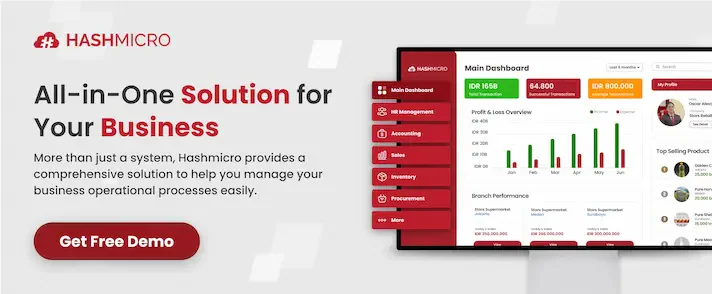
HashMicro CRM software boosts sales effectiveness with sales forecasting, customer segmentation, mobile access, loyalty and credit limit management, plus streamlined operations. Click Here to Get Free Demo
What is ERP for Multi-Channel Sales Management?
ERP for multi-channel sales management connects different sales platforms into one centralized hub. It integrates online stores, physical outlets, and marketplaces while keeping data accurate. With this integration, I can reduce errors, eliminate duplicate processes, gain better visibility over all sales activities.
Through ERP, I can monitor customer orders in real time, manage inventory levels accurately, and analyze performance across different channels. This makes it easier to stay consistent, respond quickly to customers, and support sustainable business growth.
Challenges in Implementing Sales Strategies
As you expand your business through multi-channel sales strategies in Singapore, you’ll likely encounter various challenges that can impede your progress. Understanding these challenges is the first step toward crafting effective solutions that enhance your Singapore sales operations.
Inconsistent customer experience
One of the principal sales strategy challenges is ensuring a consistent multi-channel experience. My customers expect a seamless shopping journey, whether online or in-store. Failing to provide this can lead to dissatisfaction and decreased loyalty.
Data fragmentation
With multiple sales channels, data fragmentation can become a real issue. This often results in incomplete insights into customer behavior and sales performance, complicating my strategic decisions.
Resource duplication
Duplicating resources across channels can inflate costs and create inefficiencies in operations. Effective resource management is crucial to optimize both my human and technical assets.
Lack of collaboration
Inter-departmental collaboration is necessary for smooth multi-channel operations. Without it, siloes can develop, leading to disjointed efforts and a scattered approach to customer engagement and inventory management.
Inefficient inventory management
Inventory management difficulties often arise with multi-channel retailing. Coordinating stock levels to prevent overstocking or stockouts requires me to use sophisticated, real-time inventory systems, which are crucial for meeting my customers’ expectations and maintaining operational efficiency.


Benefits of ERP Software for Sales Channels
Embracing ERP software brings transformative advantages to my sales channels. By addressing core needs such as sales channel optimization, centralized customer data, efficient order processing, and inventory synchronization, the best ERP software significantly enhances how I manage sales operations in Singapore.
Centralized data
One of the primary ERP benefits is the centralization of customer data. This integration is crucial as it ensures all information is compact and errors are substantially reduced. With centralized customer data, I have a single, reliable source for all customer interactions, allowing me to provide better service and personalized relationships.
Customer relationship management
Integrating ERP with CRM systems gives me a holistic view of my customer engagements. By understanding customer behaviors and purchasing patterns, I can tailor my approaches to meet their specific needs, boosting satisfaction and loyalty.
Inventory management
ERP systems make effective inventory management possible through inventory synchronization. Real-time visibility into stock levels across all channels helps me prevent overstocking or stockouts, keeping my inventory efficient without compromising sales capacity.
Order processing
Efficient order processing is another highlight of ERP systems. By automating order entry, invoicing, and fulfillment, I can reduce the likelihood of human error and speed up the entire order process. This results in faster turnaround times for my customers, enhancing their overall experience and satisfaction.
Multi-channel management
For my business operating on multiple sales platforms, ERP’s multi-channel capabilities ensure seamless integration and consistent management across all channels. This synchronization improves operational efficiency and enhances the customer experience with consistent service and product availability.
Streamlined returns and exchanges
Handling returns and exchanges can be complex, but ERP streamlines these activities through automated procedures. This not only saves my time but also reduces costs associated with returns, improving both efficiency and customer satisfaction.
Real-time report and analytics
Finally, the advanced analytics and real-time reporting features of ERP systems empower me with actionable insights. These capabilities help me make informed decisions and plan strategies effectively, which is essential for adapting to the dynamic business environment and market conditions in Singapore.
Impacts of ERP on Multi-Channel Sales

The transformative role of ERP systems in multi-channel sales cannot be overstated. For my retail business in Singapore, adopting an ERP system marks a significant leap towards streamlined e-commerce operations and improved sales strategy. This advancement drives both efficiency and effectiveness across my selling platforms.
An ERP system’s impact starts with its ability to synchronize inventory data in real time across physical and online stores. This keeps stock accurate and up-to-date, preventing overstocking or stockouts that can affect customer satisfaction.
- I see multi-channel sales improvement as these systems help me maintain a consistent sales narrative across all channels. This unified approach enhances brand consistency and boosts customer engagement and loyalty.
- The ERP system impacts my administrative tasks by reducing overhead and simplifying complex processes that usually consume my resources.
- Streamlining backend operations such as order processing, inventory management, and customer data management lets me respond faster and provide more personalized interactions.
Moreover, ERP platforms give me strategic insights with analytics tools that reveal market trends, customer preferences, and performance metrics. These insights help me make informed decisions and tailor my sales strategies for maximum impact.
Ultimately, deploying an ERP system in multi-channel sales is more than just tech integration; it reflects a strategic approach to refine, optimize, and elevate the retail experience in Singapore’s market.
Boost Sales with HashMicro CRM Software
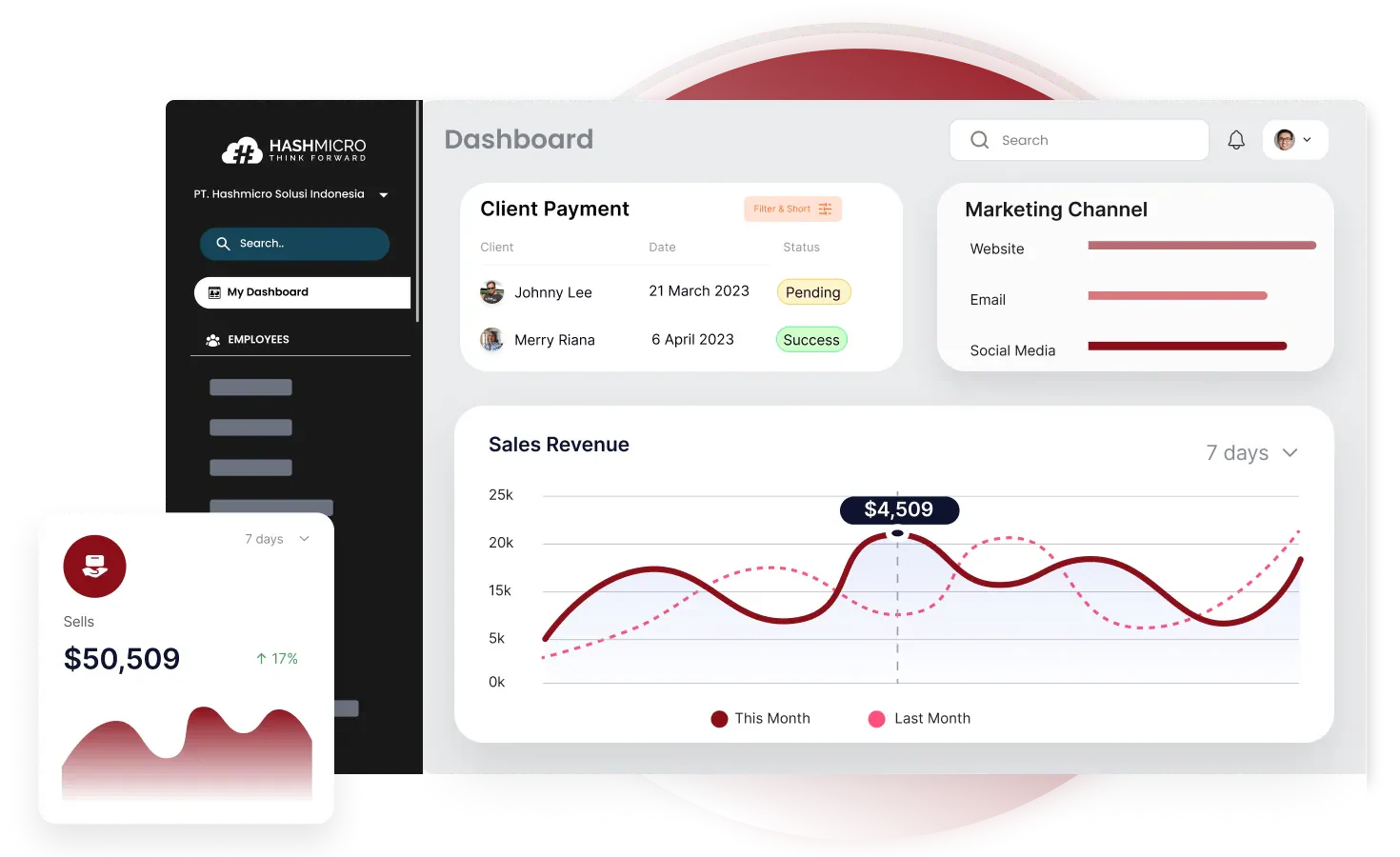
Looking to enhance your multi-channel sales operations in Singapore? HashMicro Customer Relationship Management (CRM) software is your go-to solution, designed to boost sales effectiveness and automate essential business functions.
To increase sales and streamline operations, HashMicro provides a robust setup that helps me manage intricate sales and customer activities effortlessly.
Implementing HashMicro CRM software enables sales automation that not only simplifies management but also empowers my team to focus on strategic growth areas.
HashMicro’s ERP software capability with multi-channel sales management ensures that each channel functions optimally without manual coordination, making it easier to maintain consistency and accuracy across all platforms.
Below are the key features of HashMicro CRM Software:
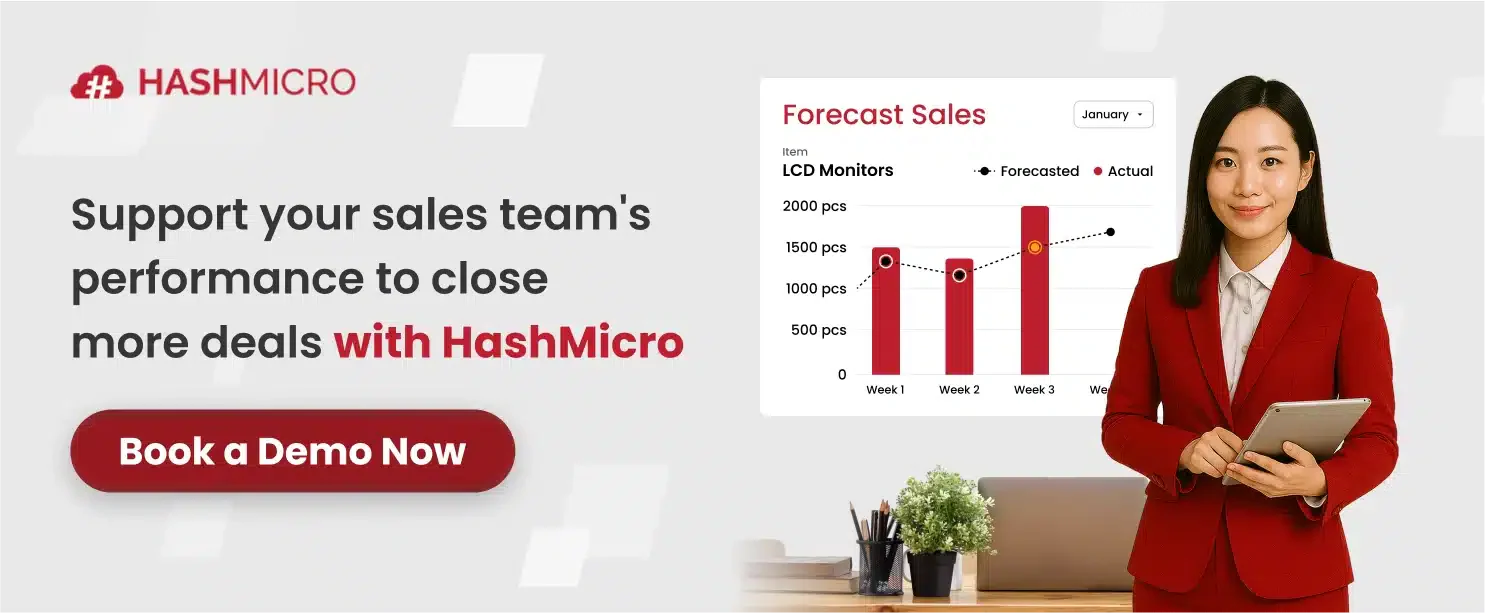
- Sales Forecast & Actualization: With this feature, I can predict future sales using past data and trends, set realistic targets, and track performance to adjust strategies when needed.
- Customer Segment (RFM) Analysis: Segment customers based on Recency, Frequency, and Monetary value to identify high-value customers and tailor your marketing.
- Sales Mobile Apps – Android & iOS: Access and update customer data on-the-go, keeping your sales team connected and responsive anywhere.
- Sales Loyalty Management: Track customer behavior and implement rewards or engagement strategies to encourage repeat business.
- In-Depth Credit Limit Management with Credit Ratings: I can set and manage customer credit limits based on ratings, reducing financial risk and ensuring secure transactions.
- Blanket Orders Management: Handle long-term purchase orders smoothly, streamlining ongoing deliveries without repeated negotiations.
- Customer Portal: Give your customers an online platform to view transactions, manage accounts, and place orders conveniently.
Conclusion
In conclusion, the integration of ERP and CRM software into multi-channel sales management is very important for Singaporean businesses.
For businesses aiming to not only sustain but also grow their market presence through enhanced operational efficiency and customer satisfaction, HashMicro CRM software emerges as a compelling choice. With its robust features tailored to boost sales performance and customer engagement, HashMicro helps me harness the full potential of my multi-channel strategies.
To discover how HashMicro can elevate your sales strategy, consider exploring our free demo today.
Frequently Asked Questions About Multi-Channel Sales
What is multi-channel sales?
Multi-channel sales is the practice of selling products or services through multiple platforms, such as physical stores, online stores, social media, and marketplaces. This approach allows businesses to reach more customers and increase revenue opportunities.
What is the difference between multichannel and omnichannel sales?
Multichannel sales involve selling across various platforms independently, while omnichannel sales focus on providing a seamless and integrated customer experience across all channels. In omnichannel, every platform works together to ensure consistency in branding, service, and customer interactions.
What is an example of multichannel retailing?
An example of multichannel retailing is a clothing brand selling through its physical store, e-commerce website, and a marketplace like Lazada or Shopee. Each channel operates separately but contributes to the overall sales strategy.